Key facts
- Shell anticipates global LNG trade to remain flat in 2026.
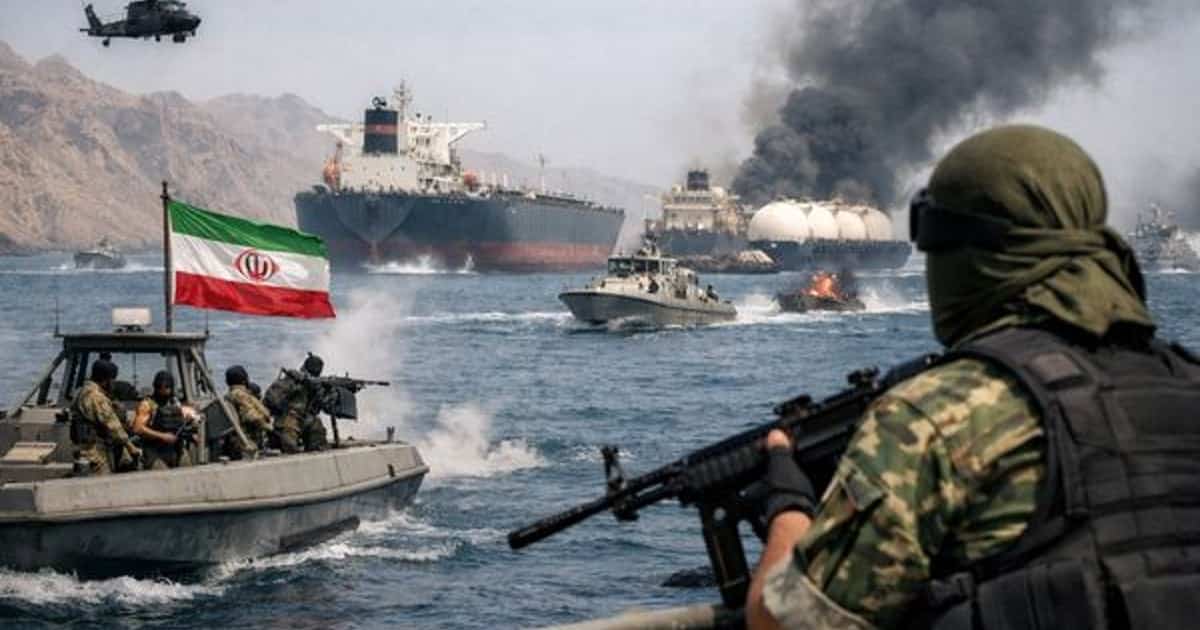
- The de facto closure of the Strait of Hormuz is cited as a reason for the flat LNG trade.
- Energy security priorities are shifting from lowest-cost procurement to security of supply.
- Pakistan LNG has purchased an urgent liquefied natural gas cargo for prompt delivery.
- Pakistan LNG paid a premium of approximately $1 per million British thermal units for the cargo.
- Heightened tensions in the Persian Gulf are disrupting LNG flows.
Shell forecasts that global liquefied natural gas (LNG) trade will remain stagnant in 2026. This projection is attributed to the de facto closure of the Strait of Hormuz, a vital chokepoint for energy exports. The ongoing conflict has fundamentally altered energy security priorities, shifting the focus from securing the lowest-cost procurement to ensuring the reliability of supply. This change reflects a broader trend in the energy market.
In light of these supply chain disruptions, Pakistan LNG has taken steps to secure an immediate supply. The company has purchased an emergency liquefied natural gas cargo for prompt delivery. This urgent acquisition was made at a premium, reportedly costing approximately $1 per million British thermal units above prevailing regional spot prices. This action by Pakistan LNG highlights the immediate impact of heightened tensions in the Persian Gulf on LNG flows and the willingness of buyers to pay more for assured delivery.