HomeEverything
Equities & FundsCrypto & Digital AssetsAI & TechnologyBusiness & CorporateUS Politics & PolicyGeopolitics & Global RiskMacro, Rates & FXCommodities & EnergyEuropean Politics & MarketsAsia-PacificReal Estate & Property
← All Stories

Shell Sees LNG Trade Flat in 2026 as Hormuz Chokes Supply

Created at 30 Jun · 7:35 AM1 source↑ Market-relevant
IN SHORT

Shell anticipates global LNG trade to remain flat in 2026 due to the de facto closure of the Strait of Hormuz, a critical chokepoint for energy exports. The conflict has led to a permanent shift in energy security priorities, moving away from lowest-cost procurement towards security of supply.

✉Newsletter

PiQ Daily

Pick your topics. Get only what matters, on your cadence.

Key Numbers

20-25%global LNG supply transiting Strait of Hormuz pre-conflict
80 million tonnes per annumLNG supply removed from market by Qatar Energy halt
17%Qatar's export capacity removed by strikes
7-10 million barrels per dayestimated regional oil production shut-ins
$103/bblaverage Brent crude price in March 2026
$115/bblprojected peak Brent crude price in Q2 2026
2026year of conflict escalation and LNG trade flat forecast

Who's Involved

Shell
expects global LNG trade to remain flat in 2026
Iran
involved in conflict that led to Hormuz closure
Qatar Energy
halted LNG production following drone attacks
US LNG exporters
positioned to capture market share amid supply disruption
Chevron
flagging lower physical output from Middle East
Shell Sees LNG Trade Flat in 2026 as Hormuz Chokes Supply

↳ Why This Matters

The closure of the Strait of Hormuz has triggered a permanent realignment of global energy security and trade flows, embedding a higher geopolitical risk premium into the LNG market and ending the prioritization of lowest-cost procurement over supply security.

Key facts

  • The Strait of Hormuz, a critical chokepoint for global LNG and oil, has been effectively closed due to a conflict involving Iran.
  • Qatar Energy halted LNG production following Iranian drone attacks, removing a significant portion of global supply.
  • The disruption has forced a shift in energy procurement strategies from lowest-cost to security of supply.
  • US LNG exporters are expected to benefit from increased demand as Europe and Asia scramble for alternative supplies.
  • Shell forecasts global LNG trade to remain flat in 2026 as a result of the ongoing supply chain disruptions.

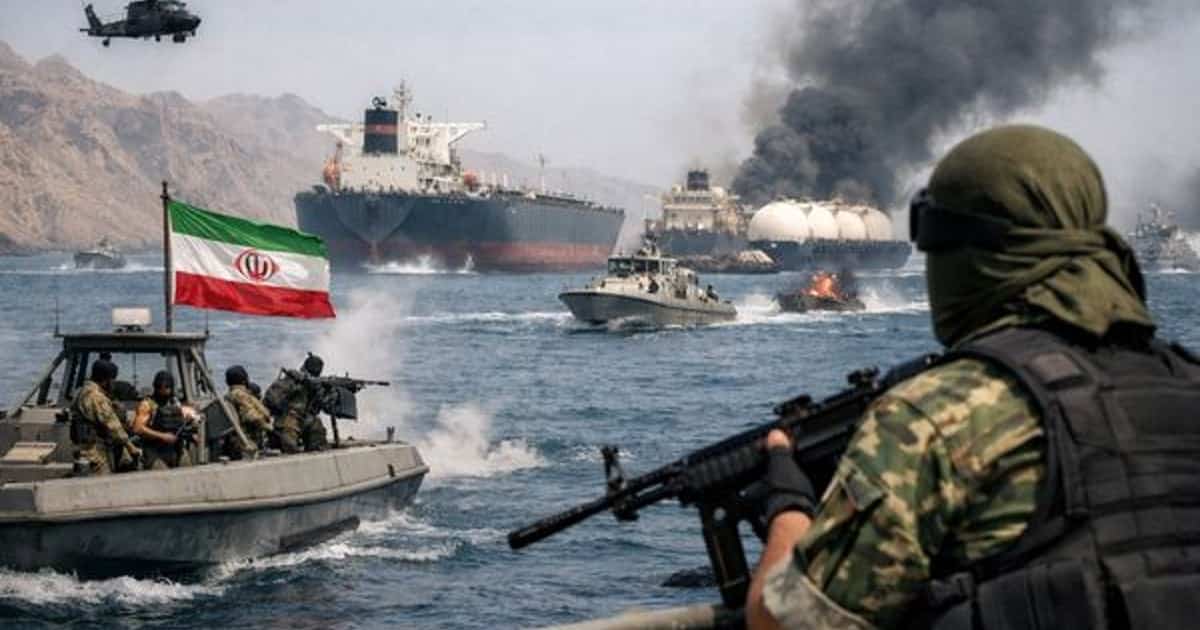
The global Liquefied Natural Gas (LNG) market is undergoing a structural shift following a military conflict between a US-Israel coalition and Iran that escalated in early 2026, leading to the de facto closure of the Strait of Hormuz. This chokepoint typically handles 20-25% of global LNG supply, primarily from Qatar and the UAE.

The conflict, exacerbated by a withdrawal of war risk insurance for tankers, made transit through the strait commercially unviable. A significant blow came when Qatar Energy announced a complete halt to LNG production at its facilities after Iranian drone attacks, removing approximately 80 million tonnes per annum (MTPA) from the market. This event alone removed about 17% of Qatar's export capacity for several years.

The disruption has led to a severe supply crisis, with Middle East seaborne exports slashed by more than half and estimated regional oil production shut-ins of 7-10 million barrels per day. Brent crude spot prices averaged $103 per barrel in March 2026 and are projected to peak near $115 per barrel in the second quarter.

Consequently, Europe and Asia are now in direct competition for secure LNG supplies from non-Persian Gulf sources, predominantly the United States. US LNG exporters, such as Cheniere and Freeport LNG, are expected to benefit from this scramble and capture significant market share. Shell anticipates that global LNG trade will remain flat in 2026 due to these persistent supply chain disruptions, marking an end to an era prioritizing lowest-cost procurement over security of supply.

Frequently asked questions

The Strait of Hormuz is a critical chokepoint that historically handled approximately 20-25% of the world's LNG supply, primarily from Qatar and the UAE.

A military conflict involving Iran led to the de facto closure of the Strait of Hormuz and Iranian drone attacks on Qatar's LNG facilities, halting production.

Europe and Asia are now competing for LNG from suppliers outside the Persian Gulf, mainly the United States, and the market is prioritizing security of supply over cost.

Shell expects global LNG trade to remain flat in 2026 due to the ongoing supply chain disruptions caused by the conflict.

What Happens Next

01Shell's forecast for flat LNG trade in 2026 will be monitored for further revisions.
02The long-term impact of the conflict on energy security strategies for Europe and Asia will continue to unfold.
03The development of alternative supply routes and export capacity, such as from Canada, will be closely watched.

Get the newsletter.

Pick the topics you actually care about. We'll email when there's news worth your time, on the cadence you choose. Cancel any time from your account.

Cadence
CME Headlines
  • Amendments to the Daily Settlement Procedure Document for the Aluminum Futures Contract
    20 Jul · 1:54 PM
  • Fresh from the Trading Room: Copper’s Crossroads
    1 Jul · 7:45 AM
  • Fresh from the Trading Room: Copper’s Crossroads
    1 Jul · 7:45 AM

How It Developed

A military conflict between a US-Israel coalition and Iran escalated in early 2026.
The Strait of Hormuz, a key transit route for approximately 20-25% of global LNG, became effectively closed.
War risk insurance withdrawal made tanker transit commercially unviable.
Qatar Energy halted LNG production following Iranian drone attacks, removing about 80 MTPA from the market.
Middle East seaborne exports were slashed by more than half, with estimated regional oil production shut-ins of 7-10 million barrels per day.
Brent crude prices rose sharply, averaging $103/bbl in March 2026 and projected to peak near $115/bbl in Q2 2026.
Europe and Asia are now competing for non-Hormuz LNG, primarily from the United States.
US LNG exporters like Cheniere and Freeport LNG are positioned to capture significant market share.

Sources

T1
Shell Sees LNG Trade Flat in 2026 as Hormuz Chokes SupplyBloomberg
T2
Iran Conflict and Hormuz Blockade Reshape Global Oil and LNG Trade ...commodity-board.com
T2
LNG Supply Chains: 2026 War Triggers Permanent Shiftenkiai.com

Related Stories

Pakistan LNG Seeks Emergency Cargo Amid Hormuz Tensions
29 Jun · 1:40 PM
Japan to unveil new energy plan in August
29 Jun · 9:50 AM
Asian nations boost coal use amid Iran war energy shocks
30 Jun · 7:45 AM
Williams Eyes $5.5 Billion Deal for Momentum Midstream to Boost LNG Reach
29 Jun · 10:41 AM
ADNOC, Eni Take Stakes in Argentina Gas Blocks for LNG Project
29 Jun · 7:45 PM