Key facts
- Nepali tea exporters are experiencing ongoing disruptions.
- India has implemented revised quality testing requirements.
- Some factories resumed operations after initial delays.
- Uncertainty over inspection processes continues to impact trade.
- The situation threatens the livelihoods of thousands of farmers and workers.
Nepali tea exporters are grappling with persistent challenges stemming from India's recently implemented quality testing requirements. The new standards have led to significant disruptions in the export process, causing delays and uncertainty for producers. While a portion of tea factories have managed to resume operations following initial stoppages, the broader impact on trade remains a concern.
The core issue lies in the ambiguity and perceived stringency of India's revised inspection protocols. Exporters are uncertain about the exact criteria and consistency of these checks, leading to apprehension and further delays. This lack of clarity is not only affecting current trade flows but also casting a shadow over future export prospects.
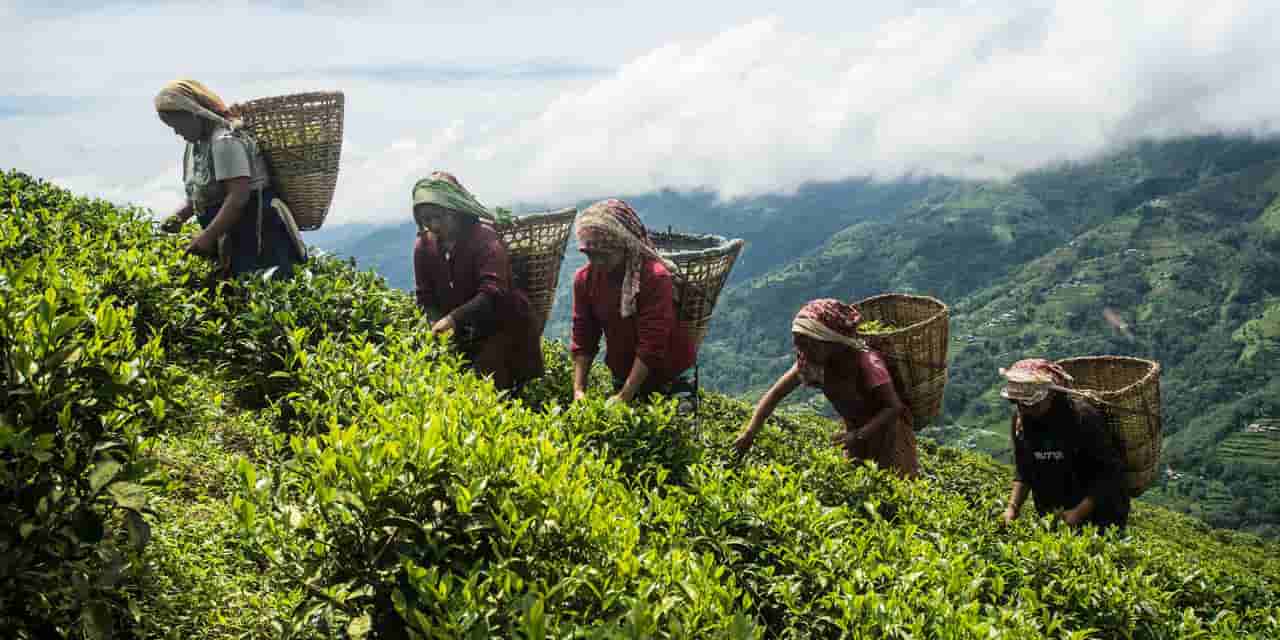
The consequences of these disruptions are far-reaching, directly impacting the livelihoods of thousands of farmers and workers dependent on the tea industry. The economic stability of these individuals is at risk as the crisis continues to unfold, highlighting the vulnerability of Nepal's export sector to external regulatory changes.