Key facts
- India's Tea Board implemented new quality testing requirements for Nepali tea imports, causing significant trade disruptions.
- Nepali tea factories in Ilam and Jhapa shut down operations due to halted exports and unsold inventory.
- Producers report that laboratory test results from Indian importers are significantly delayed, preventing sales.
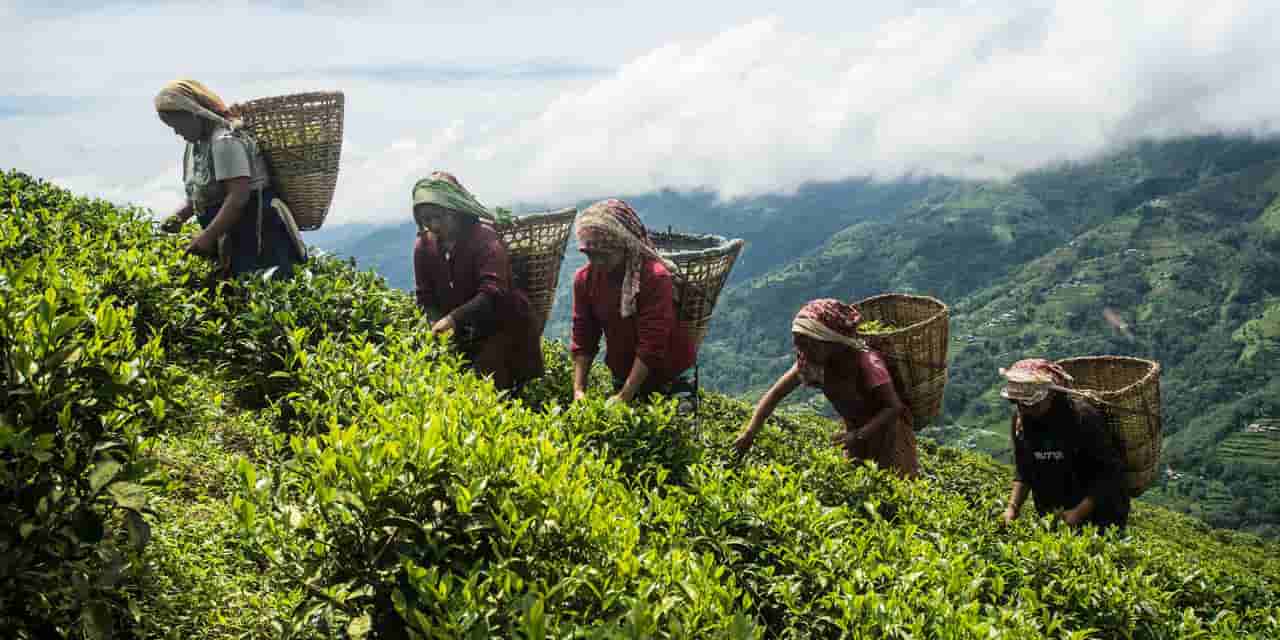
- Thousands of farmers and workers in Nepal's tea sector face jeopardised livelihoods.
- A Nepali inter-agency task force has been formed to address the trade dispute with India.
Nepal's tea industry is facing a severe crisis due to new quality testing requirements imposed by India's Tea Board, which have halted exports and led to widespread factory closures. Producers describe these measures as restrictive trade barriers, impacting thousands of farmers and workers.
The disruptions began in mid-April when the Tea Board of India introduced mandatory laboratory testing for all consignments. Initially, this halted exports for 21 days until India relaxed the rule to random sampling. However, a subsequent inspection process, where samples are collected from every bag at importers' warehouses in Kolkata, has led to significant delays in obtaining laboratory reports. This has left approximately 1,000 tonnes of Nepali tea stranded within Nepal and another 300 tonnes stuck in India, with concerns about quality degradation and financial losses.
In protest, all 83 tea factories in the eastern districts of Ilam and Jhapa shut down operations. Representatives from the Nepal Tea Producers Association have sought government intervention in Kathmandu. The association's president, Aditya Parajuli, stated that previous memorandums addressing similar issues have gone unaddressed.
Industry estimates indicate that over 300,000 kilograms of Nepali tea already in the Indian market are held up, and more than 700,000 kilograms of processed tea remain unsold in factory warehouses. Factory owners report that storage facilities are full, making it impossible to pay farmers for green tea leaves, thus forcing production halts.
The Nepali government has formed an inter-agency task force, including representatives from relevant ministries, to address the issue. Officials indicated that the matter is expected to be resolved through high-level government-to-government channels, with communication suggesting the Tea Board of India is open to diplomatic resolution.
Indian authorities stated the testing is intended to strengthen quality control and prevent adulteration. However, Nepali producers argue that quality concerns should be addressed at customs rather than preventing sales after the product has entered the market. The prolonged disruption threatens the livelihoods of thousands dependent on the sector, including nearly 3,000 farmers in Suryodaya Municipality alone.