Key facts
- China's strategic oil stockpiling has cushioned global prices.
- Crude oil imports to China dropped to an eight-year low in May.
- Chinese refiners' run rates hit a four-year low.
- A potential rebound in China's oil imports could fuel inflation.
- Soaring global jet fuel prices threaten Chinese airline profits.
- Chinese airlines face challenges from slow international travel recovery.
- Chinese airlines also face intense domestic competition.
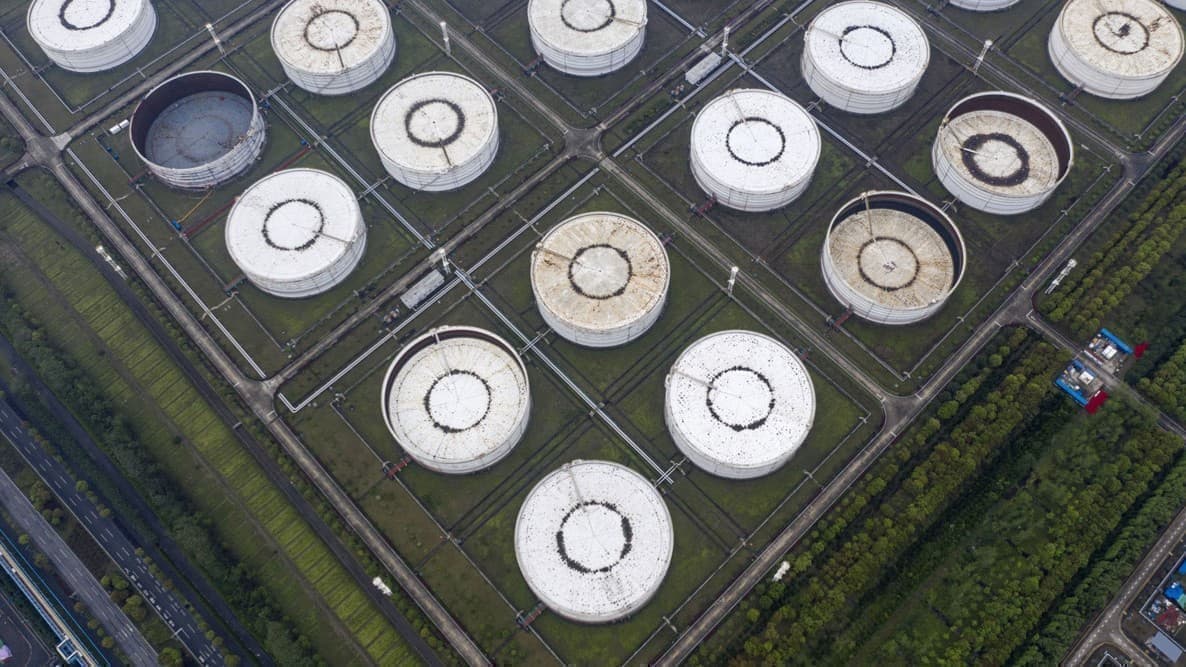
China's strategic oil stockpiling has played a role in cushioning global oil prices, particularly amidst ongoing Middle East tensions. This stockpiling effort has coincided with a significant drop in crude imports, which reached an eight-year low in May. Concurrently, Chinese refiners' run rates have fallen to a four-year low, indicating reduced processing activity.
Despite the current low import levels, a potential future rebound in China's oil imports could reignite inflationary pressures on the global market. Separately, soaring global jet fuel prices present a substantial threat to the profitability of Chinese airlines. The International Air Transport Association (IATA) highlights that these airlines are already navigating a challenging environment characterized by a slow recovery in international travel and intense domestic competition.
The current situation reflects a complex interplay between China's energy policies, global supply and demand dynamics, and the specific pressures faced by the aviation sector. The strategic oil reserves have acted as a buffer, but the underlying market forces, including geopolitical events and the pace of economic recovery, continue to shape price trends and industry profitability.