Key facts
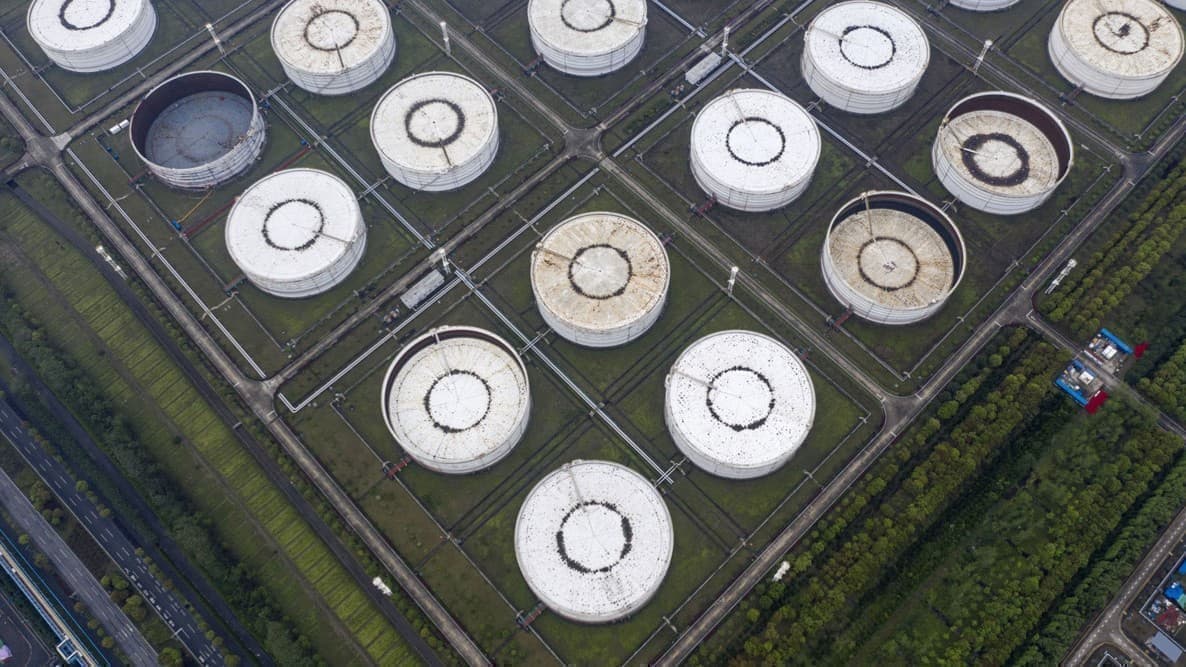
- China's strategic oil stockpiling has cushioned global oil prices.
- This stockpiling has provided a buffer during Middle East conflict.
- China has been at multi-year lows in its oil purchasing.
- A return to significant Chinese oil buying could reignite inflation.
- Soaring global jet fuel prices threaten Chinese airline profits.
- Chinese airlines face challenges from slow international travel recovery.
- Chinese airlines also face intense domestic competition.
- The International Air Transport Association (IATA) issued a warning about these threats.
China's strategic oil stockpiling has acted as a buffer for global oil prices, particularly during recent Middle East conflicts. This strategy has helped to moderate price increases that might otherwise have occurred. However, the situation is poised for a potential shift. China has been at multi-year lows in its oil purchasing, but a return to significant buying could have a substantial impact on energy markets. Such a move could reignite inflationary pressures and alter existing market dynamics. The implications of China's energy purchasing strategy extend to various sectors, including aviation. The International Air Transport Association (IATA) has warned that soaring global jet fuel prices present a significant threat to the profitability of Chinese airlines. These carriers are already navigating a challenging environment characterized by a slow recovery in international travel and intense competition within the domestic market. The combination of high fuel costs and these other market pressures could lead to reduced financial performance for Chinese airlines.