Key facts
- China's strategic oil stockpiling over the past year has provided a buffer against Middle East supply disruptions.
- The world's largest crude importer has amassed reserves, including sanctioned barrels from Iran, Venezuela, and Russia.
- China's buying behavior is increasingly driving short-term oil price discovery, overshadowing OPEC+ decisions.
- A potential return to significant Chinese crude purchases following a deal to reopen the Strait of Hormuz could tighten the market and increase inflation.
- China's crude oil imports fell to their lowest since October 2017 in May, and the country has begun tapping its oil reserves.
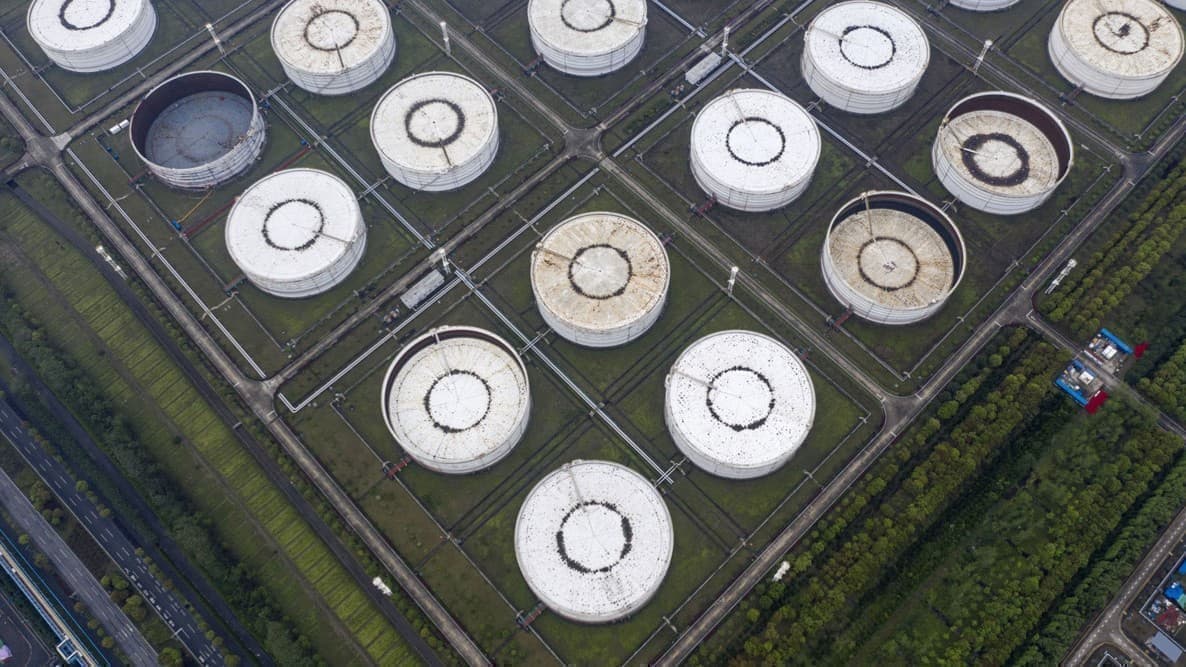
China's strategic decision to stockpile crude oil over the past year is now serving as a critical buffer against escalating geopolitical tensions and supply disruptions in the Middle East, according to analysts. The world's largest crude importer has amassed significant reserves, including sanctioned barrels from Iran, Venezuela, and Russia, taking advantage of lower prices.
This proactive strategy has insulated China to some extent from the immediate impacts of the war in Iran and its retaliatory strikes on neighboring Gulf states. Analysts suggest China has the capacity to absorb additional crude that is currently in floating storage, particularly from Russia and Iran, which is positioned favorably for Chinese ports.
While OPEC+ traditionally dictates oil price direction, China's buying behavior has increasingly become the primary driver of short-term price discovery. Traders are now closely monitoring China's import momentum and refinery margins as more immediate indicators of price movement than producer group output targets. This shift highlights a market increasingly led by demand, with China at its center.
Despite a year of weak transportation fuel demand and economic challenges, China achieved record crude oil imports last year. This was partly driven by its independent refiners' willingness to purchase sanctioned oil and a broader strategy to build commercial and strategic inventories, which are not publicly disclosed by Beijing.