HomeEverythingEducationTV
Equities & FundsCrypto & Digital AssetsAI & TechnologyBusiness & CorporateUS Politics & PolicyGeopolitics & Global RiskMacro, Rates & FXCommodities & EnergyEuropean Politics & MarketsAsia-PacificReal Estate & Property
Story archiveAll categories
← All Stories

Boeing nears approval for 737 MAX anti-ice fix

Created at 16 Jul · 12:04 PM1 source↑ Market-relevant
IN SHORT

Boeing is nearing regulatory certification for a fix to the 737 MAX jetliner's engine anti-ice system. This development paves the way for the MAX 7 and MAX 10 variants to enter service, which have been delayed due to the issue.

✉Newsletter

PiQ Daily

Pick your topics. Get only what matters, on your cadence.

Key Numbers

30MAX 7s built and awaiting delivery
9MAX 10s built and awaiting delivery
28%of outstanding MAX orders accounted for by MAX 10
98%through certification flight testing for MAX 10
2flight tests remaining for MAX 10
2018year of first fatal MAX 8 crash
2019year of second fatal MAX 8 crash and grounding start
2021year anti-ice system issue was discovered
2024year of Alaska Airlines MAX 9 cabin panel blowout
346people killed in two MAX crashes
2years for in-service MAX jets to receive new system
50%through certification flight testing for 777-9

Who's Involved

Boeing
Aircraft manufacturer nearing certification for 737 MAX fix
Chris Payne
Boeing vice president and general manager for 737 MAX development programs
Mike Sinnett
Boeing's senior vice president of product strategy, product development and development programs
CFM International
Joint venture producing the 737 MAX's LEAP-1B engine
GE Aerospace
Partner in CFM International, tested the anti-ice system fix
Safran
Partner in CFM International
Bill Quashnock
Boeing's 737 deputy chief pilot
Terry Beezhold
Boeing vice president and general manager of the 777-9 program
U.S. Federal Aviation Administration
Regulatory body expected to certify the MAX 7 this summer
Southwest Airlines
Largest customer for the 737 MAX 7
Alaska Airlines
Operator of a MAX 9 involved in a January 2024 incident
Boeing nears approval for 737 MAX anti-ice fix

↳ Why This Matters

This development is crucial for Boeing's financial recovery and market position, as the certification of the MAX 7 and MAX 10 will enable the delivery of hundreds of aircraft and help regain market share lost to Airbus. It also signals a potential end to a prolonged period of regulatory scrutiny and production challenges for the company.

Key facts

  • Boeing is close to receiving regulatory certification for a fix to the 737 MAX's engine anti-ice system.
  • The fix addresses a potential overheating and engine failure issue, which has delayed the certification of the MAX 7 and MAX 10 variants.
  • Approximately 30 MAX 7s and nine MAX 10s are already built and awaiting delivery.
  • The MAX 10 has completed 98% of its certification flight testing.
  • The anti-ice system fix also offers benefits in reducing engine noise and mitigating fan flutter.
  • Boeing is working with regulators to schedule retrofits for existing MAX aircraft during heavy maintenance.

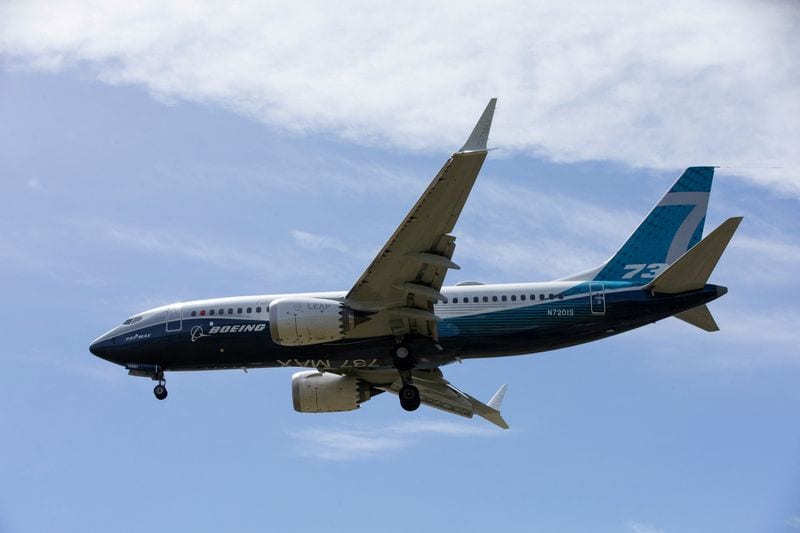
Boeing is nearing the final stages of regulatory approval for a fix to the engine anti-ice system on its 737 MAX aircraft, a development that could allow the long-delayed MAX 7 and MAX 10 variants to enter service. The issue, which could lead to overheating and engine failure, has been the primary obstacle to certification for these models.

According to company executives, the redesign addresses the critical safety concern and also offers secondary benefits such as reduced engine noise and mitigation of fan flutter. Boeing has already produced approximately 30 MAX 7s and nine MAX 10s that are awaiting delivery. The MAX 10, which accounts for at least 28% of outstanding MAX orders, has completed 98% of its certification flight testing, with only two tests remaining.

The certification process for the MAX 7 and 10 has faced significant delays, spanning years, which has allowed competitor Airbus to strengthen its position in the narrowbody aircraft market. Boeing has been subject to a more rigorous certification process following two fatal MAX 8 crashes in 2018 and 2019, and increased scrutiny of its production and quality systems after a mid-air cabin panel blowout on an Alaska Airlines MAX 9 in January 2024.

While regulators permitted existing MAX variants (MAX 8, 8-200, and 9) to continue flying and production, the certification of the newer variants was postponed after the anti-ice system issue was identified in 2021. Boeing is collaborating with regulators to establish a schedule for airlines to implement the necessary repairs during heavy maintenance checks, aiming to minimize disruption and costs. The MAX 10 will also feature an updated flight crew alerting system to enhance safety, a requirement stemming from the previous fatal accidents. All currently in-service 737 MAX jets are expected to receive this new system within two years of its certification.

In parallel, Boeing is progressing with the certification of its widebody 777-9, having completed over 50% of its flight testing and remaining on track for deliveries to commence next year. However, the company still needs to fulfill several major certification requirements for the 777-9, including approval for long-distance flights over remote areas.

Frequently asked questions

The issue involved a system that could cause overheating and potential engine failure, leading to delays in certification for the MAX 7 and MAX 10 variants.

Boeing has approximately 30 MAX 7s and nine MAX 10s already built and awaiting delivery.

The fix also reduces engine noise and helps mitigate fan flutter.

All in-service 737 MAX jets are expected to have the new system installed within two years after regulators certify it.

What Happens Next

01Boeing to complete the remaining two flight tests for the MAX 10.
02Boeing to receive final regulatory certification for the MAX 7 and MAX 10.
03Airlines to begin retrofitting the anti-ice system fix on existing MAX aircraft.
04Boeing to begin deliveries of the MAX 7 and MAX 10.
05Boeing to complete certification requirements for the 777-9.
06Boeing to begin deliveries of the 777-9 next year.

Get the newsletter.

Pick the topics you actually care about. We'll email when there's news worth your time, on the cadence you choose. Cancel any time from your account.

Cadence

How It Developed

Boeing is in the final stages of obtaining regulatory certification for a fix to the 737 MAX jetliner's engine anti-ice system.
The redesign addresses a potential overheating and engine failure issue, which has been the primary obstacle to certifying the MAX 7 and MAX 10 variants.
Boeing has approximately 30 MAX 7s and nine MAX 10s built and awaiting delivery.
The MAX 10 is 98% through certification flight testing, with two tests remaining.
The certification process for the MAX 7 and 10 has been years behind schedule.
The anti-ice system fix also reduces engine noise and mitigates fan flutter.
Boeing is working with regulators on a schedule for airlines to perform the retrofit during heavy maintenance checks.
The MAX 10 will also feature an updated flight crew alerting system to meet safety requirements.

Sources

T1
Boeing nears approval of 737 MAX anti-ice fix, paving way for deliveriesReuters

Related Stories

Airbus, Boeing Use Giant Antonov Jet to Expedite Parts Shipments Amid Supply Chain Issues
15 Jul · 7:04 PM
Airbus in talks for Flynas A330neo jet orders
15 Jul · 10:49 PM
Sodexo targets 2027 growth recovery, eyes North America expansion
16 Jul · 6:21 AM
KAI completes delivery of 6 T-50i trainer jets to Indonesia
16 Jul · 12:06 PM
United Airlines to Offer Empty Middle Seat as Premium Upgrade
15 Jul · 8:46 PM