Key facts
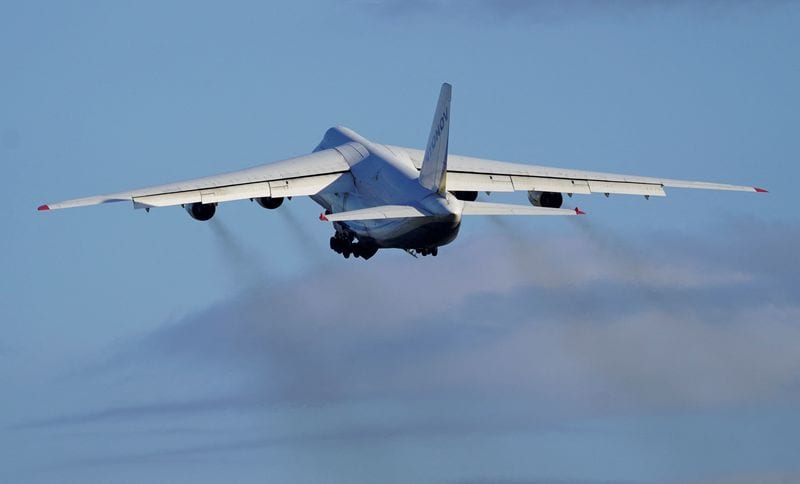
- Airbus and Boeing have recently chartered the Antonov An-124, a large cargo aircraft, to transport aerostructures.
- The flights are intended to expedite shipments of parts for the Airbus A350 and Boeing 767 airframes.
- This usage indicates ongoing pressure on aerospace manufacturers to maintain production schedules despite supply chain challenges.
- Airbus's decision to airfreight A350 parts is linked to issues at a former Spirit AeroSystems plant it acquired.
- Boeing cited urgent needs for 767 production and the avoidance of significant economic costs from delays.
Airbus and Boeing have recently utilized one of the world's largest cargo planes, the Antonov An-124, to expedite the shipment of aerostructures for both civil and military aircraft. This measure underscores persistent strains within the aerospace supply chain and the manufacturers' efforts to maintain production flow.
Industry sources indicate that the An-124 has been chartered to transport parts for Airbus's A350 jetliner and the Boeing 767 airframe, which is used for freighters and tankers. This follows a similar flight earlier this year for the 777 freighter. While a Boeing spokesperson stated the company uses "a variety of transportation methods to maintain stability in our production," and an Airbus spokesperson confirmed they "sometimes use the Antonov," neither commented directly on the specific flights.
The use of the An-124 highlights the pressure on planemakers to keep assembly lines running and address delivery delays. Traditionally, large parts are moved via sea freight, trucking, or converted cargo jets. Switching to a more expensive air freight option suggests that buffer stocks are limited and indicates a need to overcome specific logistical bottlenecks.
For Airbus, the decision to fly A350 parts instead of using sea freight is reportedly linked to a deterioration in performance at a former Spirit AeroSystems plant in Kinston, North Carolina, which Airbus took over in December. One source noted that while there was a buffer stock of four sets of parts previously, air freight is now necessary to prevent new delays. Airbus has previously informed customers of potential delays to A350 deliveries later this decade due to issues securing sections from this factory.
Boeing, in separate filings, requested permission to use the An-124 to transport two upper fuselage sections from a Daher Aerospace factory in Florida to its plant in Everett, Washington. The company stated these parts were "urgently required for the production of the 767" and that delays would impose "a significant economic cost."