Key facts
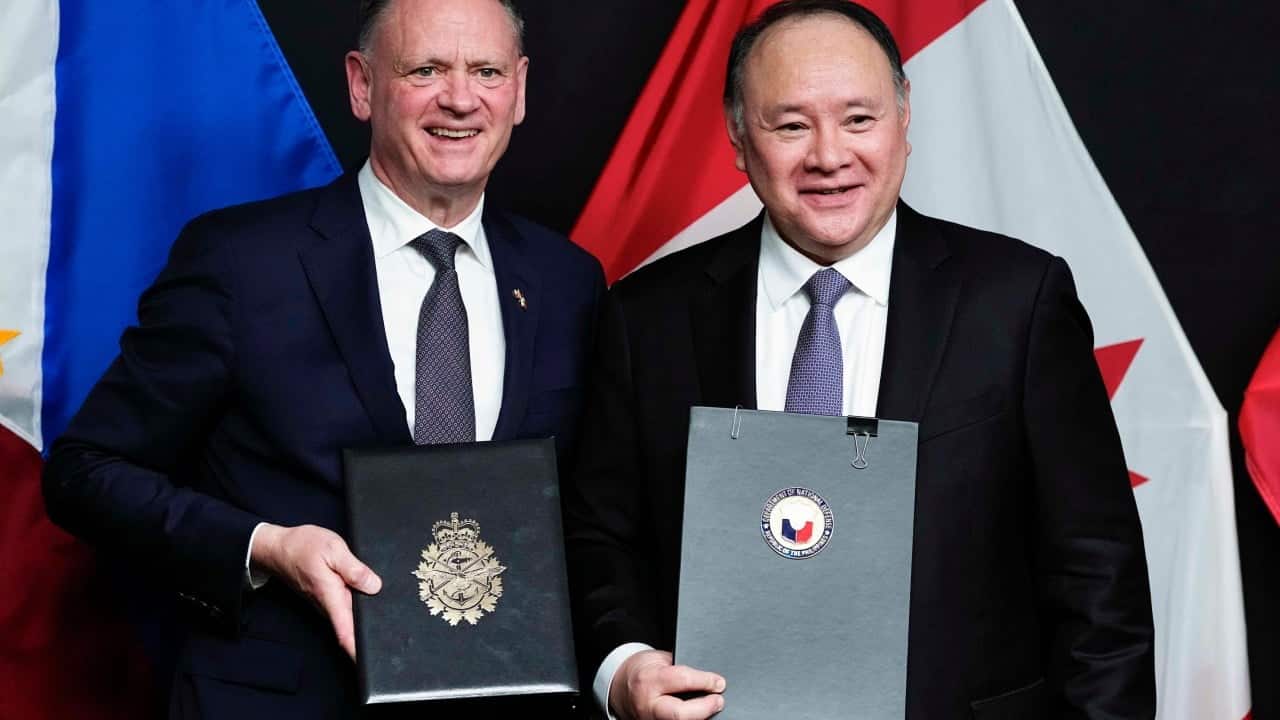
- Philippine President Ferdinand Marcos Jr. and Canadian Prime Minister Mark Carney pledged to strengthen trade, energy, and security ties.
- The visit aims to diversify Canada's economy beyond the U.S.
- The visit aims to deepen Canada's engagement in the Indo-Pacific region.
- Chinese automaker BYD is considering establishing a North American presence.
- Canada is a potential location for BYD's North American operations.
- Canada has reduced tariffs on Chinese EVs.
- BYD is navigating differing U.S. and Canada tariff policies.
- BYD's potential entry point is influenced by Canada's tariff policies.
Philippine President Ferdinand Marcos Jr. and Canadian Prime Minister Mark Carney have pledged to deepen bilateral ties between their nations, with a particular focus on enhancing trade, energy, and security cooperation. This initiative is part of Canada's broader strategy to diversify its economy, reducing reliance on the United States, and to bolster its engagement within the Indo-Pacific region. The discussions between Marcos Jr. and Carney aim to lay the groundwork for increased collaboration across these key sectors.
In parallel, Chinese electric vehicle manufacturer BYD is actively considering the establishment of a North American manufacturing presence. Canada is emerging as a potential location for this expansion, largely due to the differing tariff policies between the U.S. and Canada regarding electric vehicles. Canada's comparatively lower tariffs on Chinese EVs could offer BYD a strategic advantage and a more accessible entry point into the North American market. This potential move by BYD comes amid ongoing trade discussions and potential tariff discord between the U.S. and China.