Key facts
- Canada has reduced tariffs on Chinese electric vehicles to 6.1% for the first 49,000 vehicles annually, a quota that will increase over five years.
- BYD is considering establishing a manufacturing facility in Canada and is open to acquiring an existing automaker.
- The U.S. maintains a 25% tariff on vehicles and parts exported from Canada and Mexico.
- Canadian Prime Minister Mark Carney indicated Canada will diverge from U.S. tariff policy on Chinese vehicles.
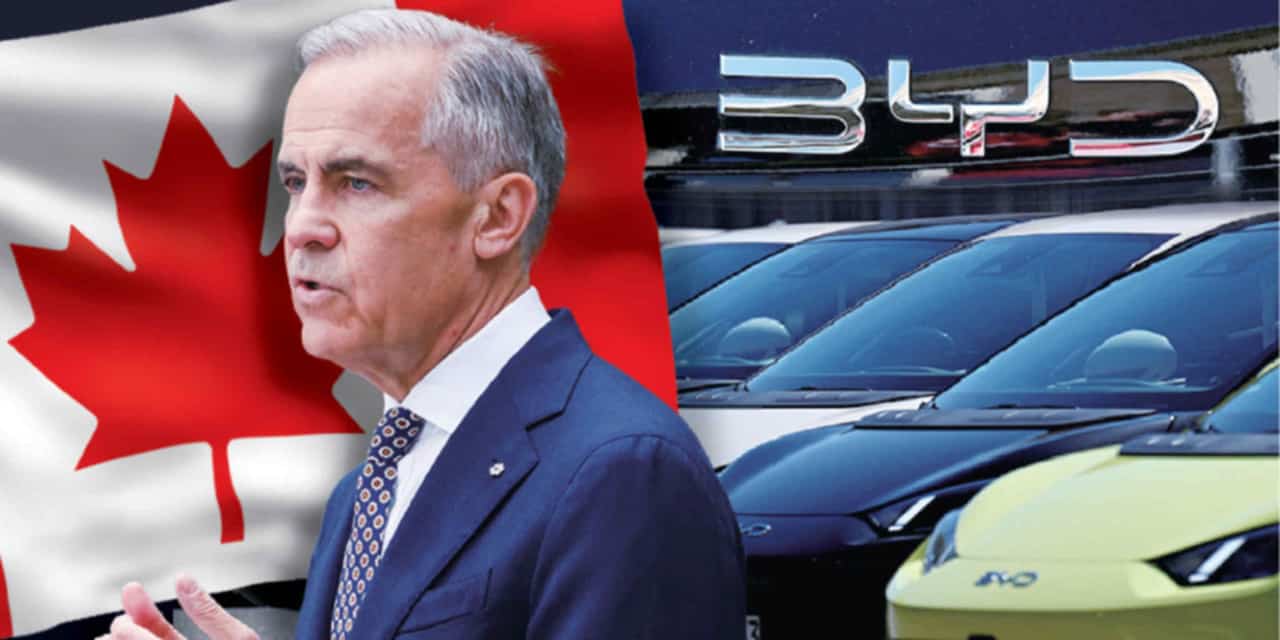
Chinese electric vehicle manufacturer BYD is exploring a North American market entry, potentially utilizing Canada as a base, amid diverging tariff policies between the U.S. and Canada. Canada's recent decision to significantly slash tariffs on Chinese EVs, from 100% to 6.1% for an initial quota of 49,000 vehicles annually, has reopened the door for Chinese brands like BYD.
BYD's executive vice president, Stella Li, has confirmed that a Canadian launch is back on the table and indicated the company is considering establishing a manufacturing facility in the country. Li also expressed openness to acquiring an existing automaker, suggesting a flexible approach to market entry, rather than a joint venture.
This development contrasts with the U.S. policy, which imposes a 25% tariff on vehicles and parts exported from Canada and Mexico, aiming to encourage production within the U.S. Canadian Prime Minister Mark Carney has stated that Canada will no longer fully align with the U.S. on tariffs concerning Chinese-made vehicles. This policy divergence could allow BYD to use Canada as a strategic gateway into the broader North American market.