Key facts
- South Korea faces a severe labor shortage.
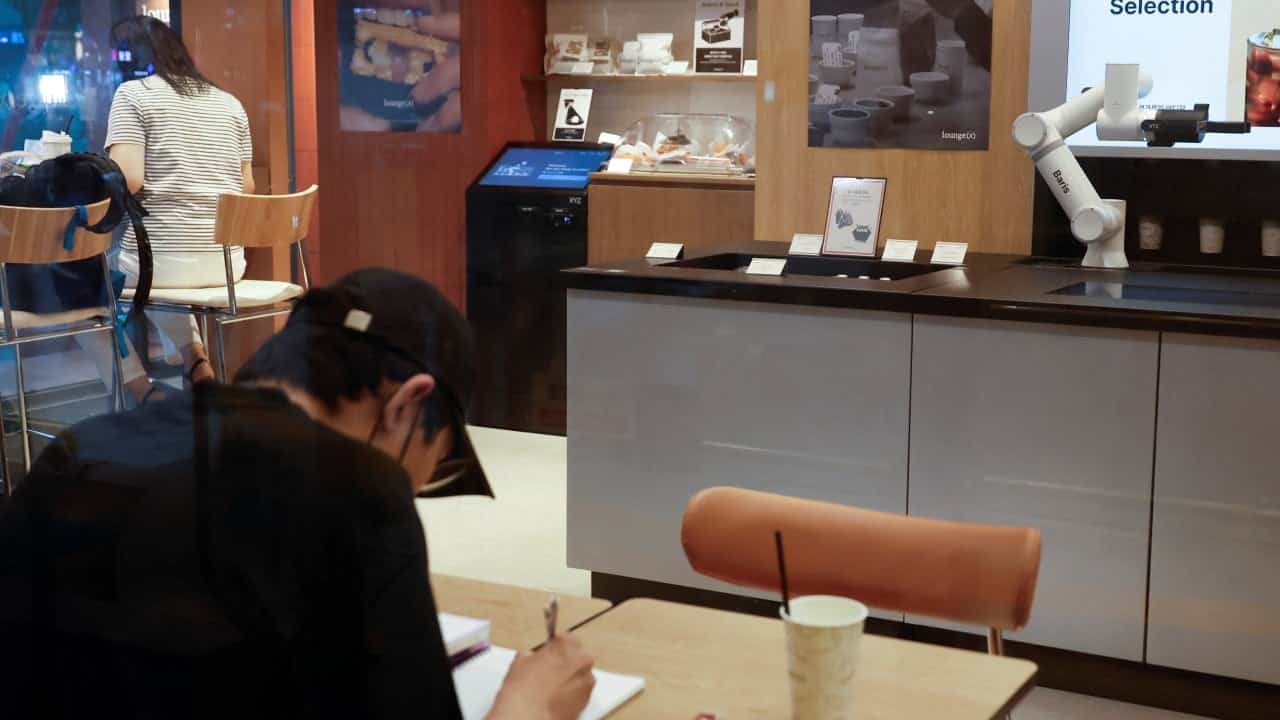
- Robots and automation are being deployed to address the shortage.
- Manufacturing and agriculture are key sectors affected by the labor shortage.
- The South Korean government supports the adoption of advanced robotics.
- AI technology is being used to create videos of deceased loved ones in South Korea.
- This AI use offers comfort to some but raises ethical concerns.
South Korea is increasingly turning to robots and automation to combat a severe labor shortage that is impacting key sectors such as manufacturing and agriculture. The government is actively supporting the integration of advanced robotics to fill employment gaps and enhance overall productivity within these industries. This push towards automation is a strategic response to demographic shifts and economic pressures.
In parallel, South Korean society is witnessing a growing trend of utilizing artificial intelligence (AI) technology for a deeply personal application: creating video messages from deceased loved ones. This innovative use of AI offers a form of comfort and connection for some individuals grappling with loss. However, it also brings to the forefront significant ethical considerations surrounding the nature of grief, the digital preservation of likenesses, and the potential implications for mourning processes.
The dual adoption of robotics for labor and AI for personal remembrance underscores South Korea's position at the forefront of technological integration. While robotics addresses tangible economic and workforce challenges, AI is being explored for its capacity to mediate profound emotional experiences. Both developments reflect a society actively engaging with cutting-edge technologies to navigate complex contemporary issues.