HomeEverything
Equities & FundsCrypto & Digital AssetsAI & TechnologyBusiness & CorporateUS Politics & PolicyGeopolitics & Global RiskMacro, Rates & FXCommodities & EnergyEuropean Politics & MarketsAsia-PacificReal Estate & Property
← All Stories

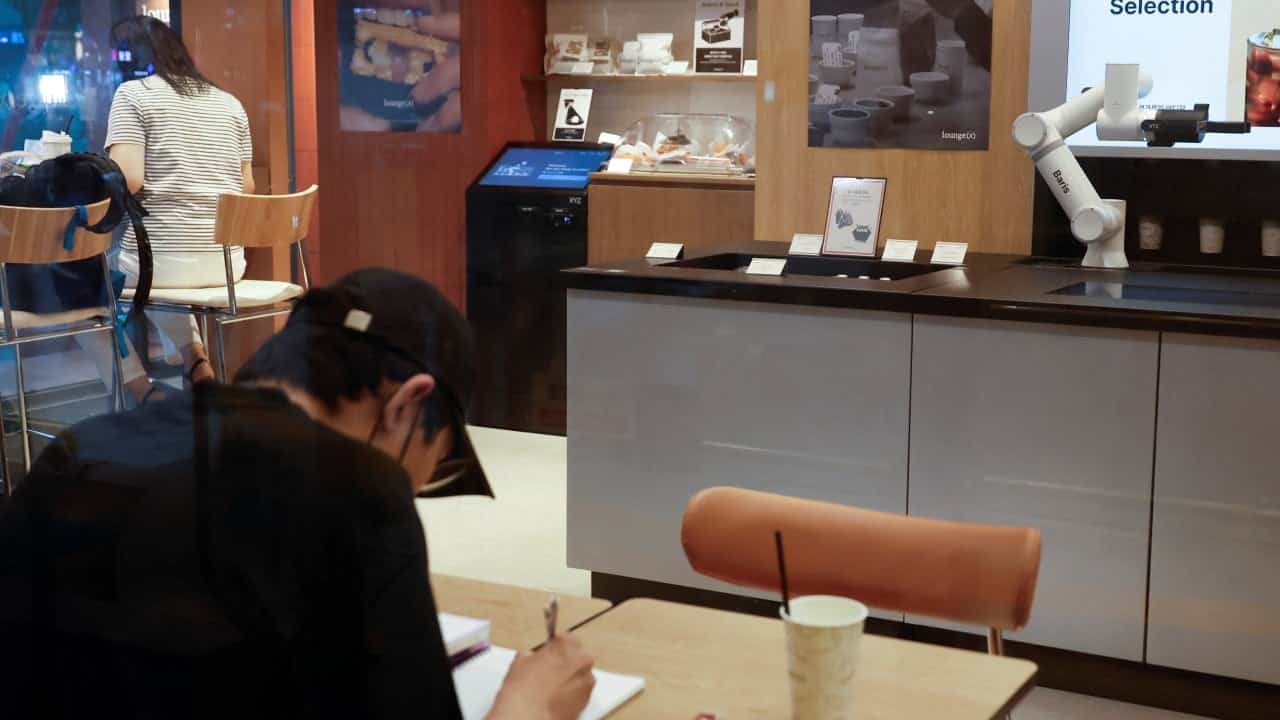
South Korea deploys robots to combat severe labor shortage

Created at 2 Jul · 2:40 AM1 source↑ Market-relevant
IN SHORT

South Korea is increasingly turning to robots and automation to address a critical labor shortage, particularly in sectors like manufacturing and agriculture. The government is supporting the adoption of advanced robotics to fill gaps and boost productivity.

✉Newsletter

PiQ Daily

Pick your topics. Get only what matters, on your cadence.

Who's Involved

South Korea
nation implementing robotic solutions for labor shortage
South Korea deploys robots to combat severe labor shortage

↳ Why This Matters

South Korea's proactive adoption of robotics to counter a demographic-driven labor shortage highlights a growing global trend. This strategy could serve as a model for other nations facing similar challenges, impacting future labor markets, industrial productivity, and the development of automation technologies.

Key facts

  • South Korea is experiencing a significant labor shortage.
  • Robots and automation are being implemented as a solution.
  • Government support is aiding the adoption of robotics in various sectors.
  • The shortage impacts industries such as manufacturing and agriculture.

South Korea is increasingly relying on robots and automation to combat a severe labor shortage that is impacting various sectors of its economy. The nation is facing demographic challenges, including a low birth rate and an aging population, which exacerbate the scarcity of human workers.

To address this, the government is actively promoting the adoption of advanced robotics and automation technologies. These solutions are being deployed in industries such as manufacturing, where robots can perform repetitive tasks with high precision, and in agriculture, where they can assist with planting, harvesting, and other labor-intensive activities.

The push for automation is seen as crucial for maintaining economic productivity and competitiveness in the face of a shrinking workforce. The government's support aims to accelerate the integration of these technologies, helping businesses to bridge the labor gap and improve operational efficiency.

Frequently asked questions

South Korea is experiencing a labor shortage primarily due to a low birth rate and an aging population, leading to a shrinking workforce.

Industries such as manufacturing and agriculture are particularly affected by the scarcity of human workers.

The country is implementing robots and automation technologies, supported by government initiatives, to fill labor gaps and boost productivity.

What Happens Next

01Further government initiatives to support robotics adoption are expected.
02Increased integration of robots in manufacturing and agriculture is anticipated.

Get the newsletter.

Pick the topics you actually care about. We'll email when there's news worth your time, on the cadence you choose. Cancel any time from your account.

Cadence

How It Developed

South Korea faces a severe labor shortage across multiple industries.
Robots and automation are being deployed to address the crunch.
Government initiatives support the adoption of advanced robotics.

Sources

T1
Robots to the rescue as South Korea battles severe labour crunchSouth China Morning Post

Related Stories

South Koreans use AI to create videos of deceased loved ones
2 Jul · 2:36 AM
Hyundai Motor's Namyang R&D Center Embraces Digital Engineering and AI
1 Jul · 11:55 PM
Lee vows to turn Chungcheong region into center of AI-led innovation
2 Jul · 2:40 AM
UK debate intensifies over pavement robots
1 Jul · 5:06 AM
X Square Robot Achieves $2.9 Billion Valuation Amid Embodied AI Boom
1 Jul · 7:41 AM