Key facts
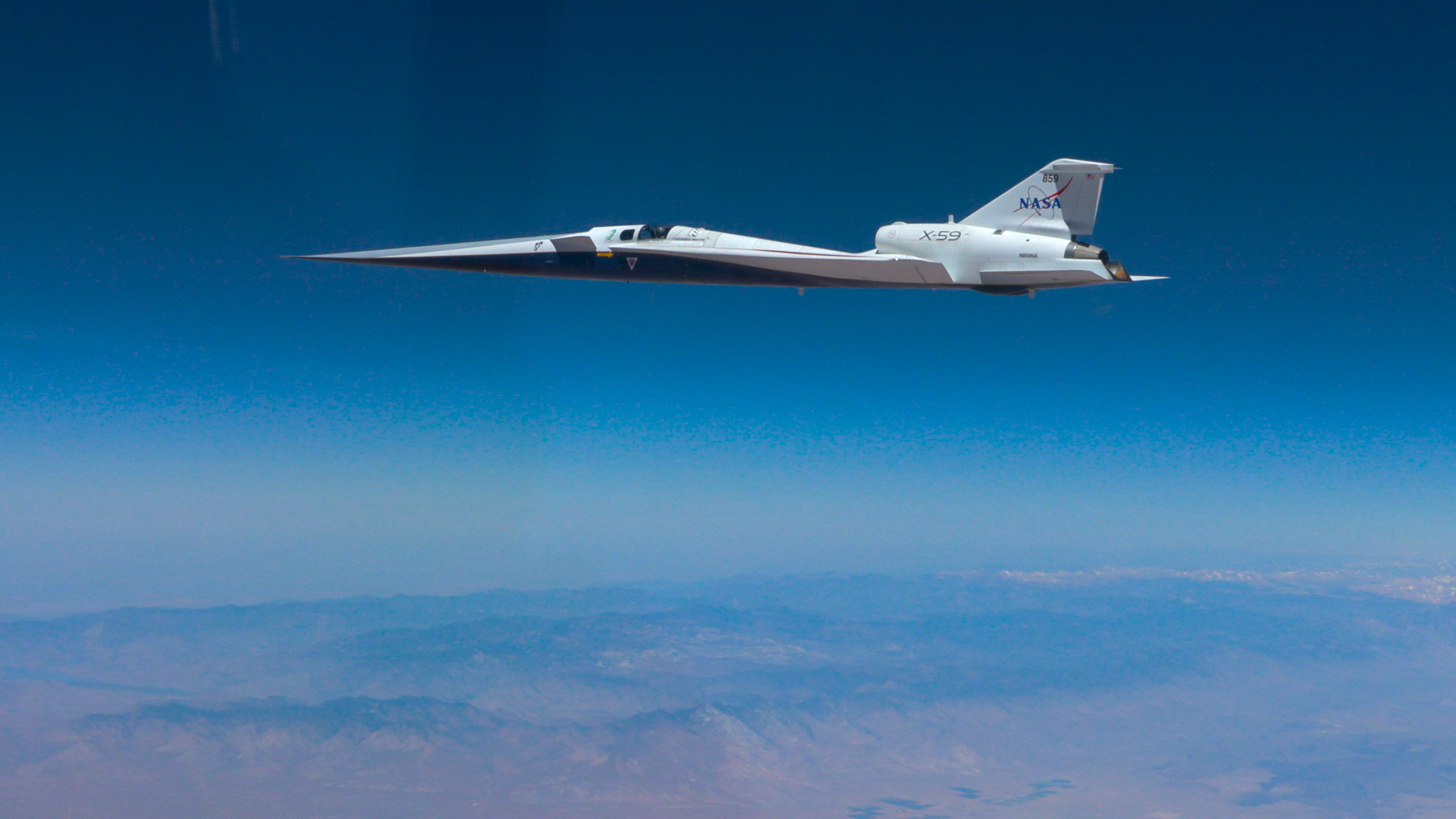
- NASA's X-59 aircraft completed its first supersonic flight on June 5, 2026.
- The X-59 is designed to produce a quieter thump instead of a loud sonic boom.
- This technology could enable future overland supersonic travel.
- China has ground-tested a hypersonic ramjet engine.
- The Chinese engine can change its shape during flight.
- This shape-shifting capability could enhance maneuverability and stealth.
- The technology may be used in future hypersonic weapons.
NASA's X-59 quiet supersonic research aircraft successfully completed its inaugural supersonic flight on June 5, 2026. The aircraft is engineered with the goal of transforming the disruptive sonic boom, typically associated with supersonic flight, into a much softer sound, described as a thump. This technological advancement holds the potential to reshape regulations and enable supersonic travel over land in the future.
In parallel, China has conducted a successful ground test of a novel hypersonic ramjet engine. This engine is distinguished by its capability to alter its physical shape while in flight. Such adaptive geometry is a critical development for hypersonic vehicles, as it is expected to significantly improve their maneuverability and reduce their radar signature, thereby enhancing their stealth characteristics. This technology could be integrated into future generations of hypersonic weapons systems.
The X-59's development is part of NASA's broader efforts to explore the future of aviation, specifically focusing on overcoming the environmental and regulatory hurdles that have historically limited supersonic flight over populated areas. The quiet supersonic technology aims to make overland supersonic flight a viable option by mitigating the noise pollution. China's advancements in hypersonic ramjet technology represent a significant step in the development of high-speed aerospace capabilities, with potential military applications.