Key facts
- DeepMind's WeatherNext AI model offers more accurate hurricane predictions.
- The model provides an average of one extra day of lead time for forecasts.
- It can predict storm intensity, a capability lacking in previous AI models.
- WeatherNext uses lower-resolution data but achieves high accuracy.
- Google is open-sourcing the WeatherNext models for research.
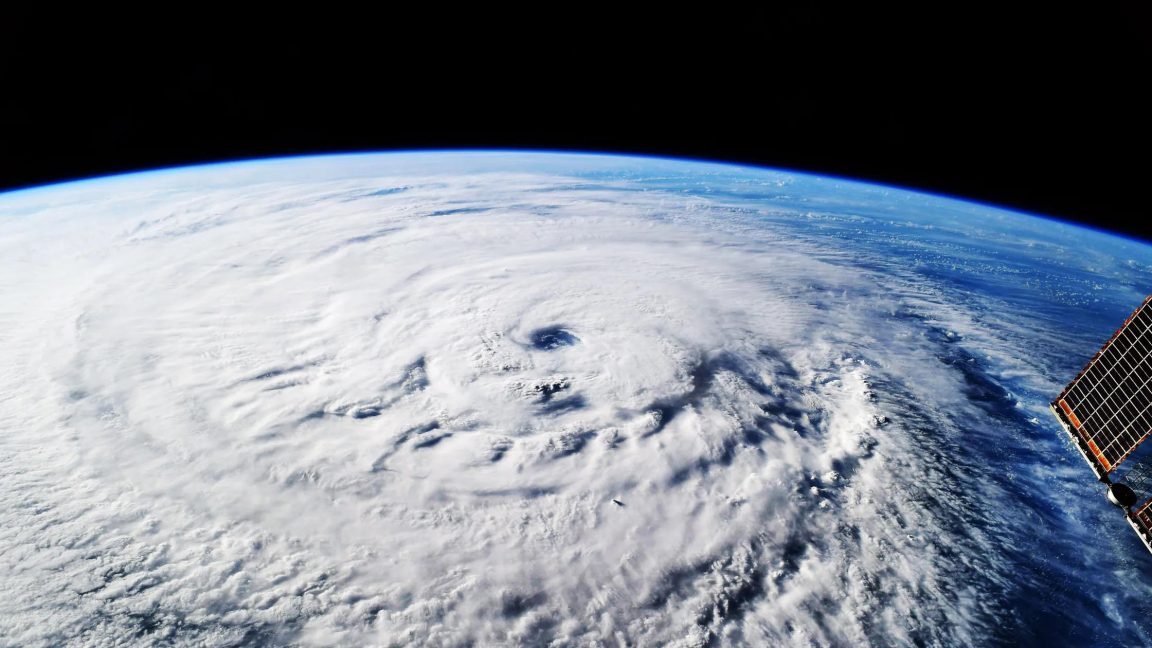
Google's DeepMind has developed an artificial intelligence model named WeatherNext that significantly enhances hurricane forecasting. Published in Nature, the model demonstrates unprecedented accuracy in predicting cyclone trajectories and intensity, providing forecasters with an average of one extra day of lead time. This advancement means that WeatherNext's three-day predictions are as accurate as previous models' two-day predictions, a critical improvement for time-sensitive decisions like evacuations and resource deployment.
During Hurricane Melissa in October 2025, WeatherNext predicted with 80 percent confidence that the storm would hit Jamaica as a Category 5 hurricane five days in advance, enabling earlier warnings. This capability is particularly noteworthy because, unlike earlier AI models that struggled with intensity prediction, WeatherNext can accurately forecast both a storm's track and its intensity. This is achieved using lower-resolution weather data, a surprising development that suggests these coarser inputs contain more predictive signal than previously understood.
The researchers acknowledge that the precise mechanisms by which the AI model achieves its accuracy remain a 'black box,' but this has prompted new avenues of scientific inquiry into atmospheric physics. WeatherNext also generates a wide range of potential storm scenarios, increasing from 50 to 1,000 per storm, a feat not possible with traditional numerical models due to computational limitations.
While the model is a valuable new tool, experts like Mike Brennan, director of the US National Hurricane Center, emphasize that it is one among many and that human expertise remains crucial for translating forecasts into actionable impact assessments. Google DeepMind is open-sourcing the WeatherNext models, aiming to foster further research and discovery within the scientific community.