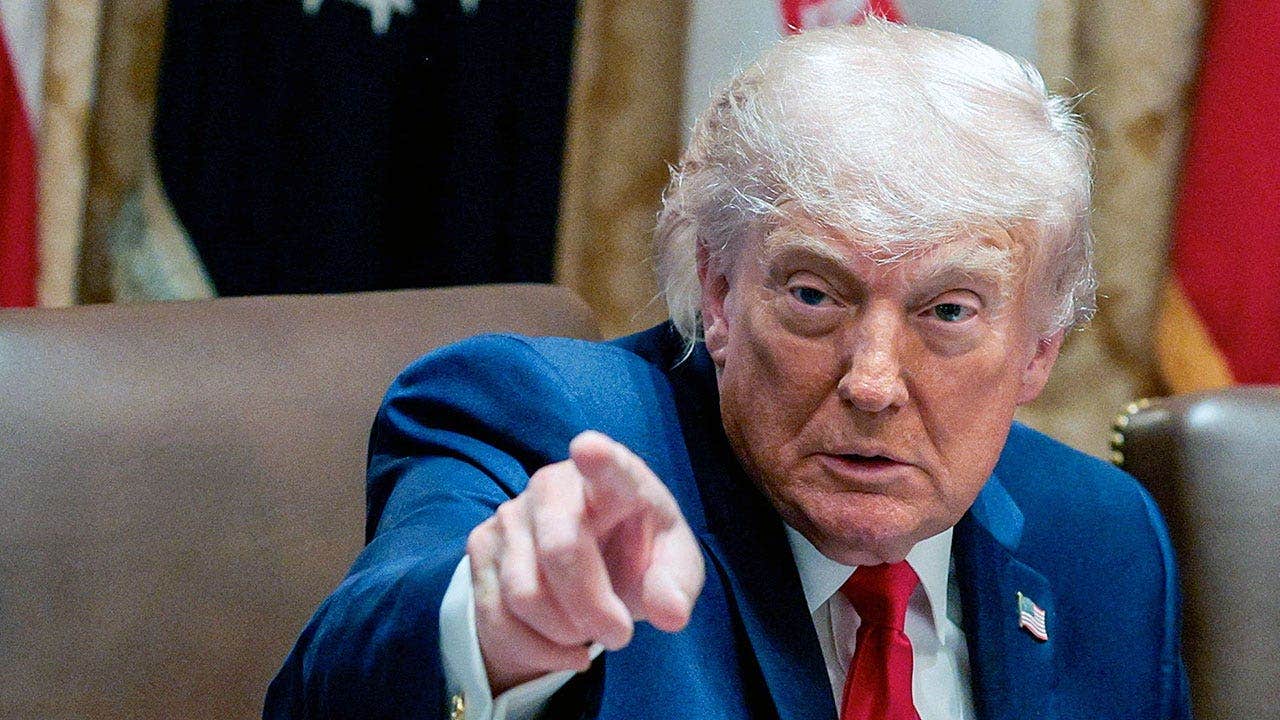
Trump claims US-Iran deal agreed, Strait of Hormuz to reopen | PiQ Markets
updating
5 storiesUS Politics & PolicyWhite House & presidential decisions / executive ordersDonald Trump policies & legal proceedingsUS-China trade war
Trump claims US-Iran deal agreed, Strait of Hormuz to reopen
window 24h
IN SHORT
President Donald Trump announced a potential deal with Iran aimed at preventing nuclear weapons and reopening the Strait of Hormuz. However, the announcement faced immediate criticism from Democratic lawmakers and former officials like John Bolton, who labeled any such agreement a "birthday gift" to Iran. Trump also indicated that an Israeli strike on Beirut had delayed the signing of this deal by several hours. Separately, President Trump linked the renewal of the Foreign Intelligence Surveillance Act (FISA) to the passage of his Save America Act, which requires proof of citizenship for voting, indicating a potential legislative standoff.
✉Newsletter
PiQ Daily
Pick your topics. Get only what matters, on your cadence.
Key Numbers
2015year of previous Iran agreement
702FISA section authority
Who's Involved
Donald Trump
U.S. President announcing potential Iran deal
Iran
Nation involved in a potential nuclear and trade deal with the U.S.
Barack Obama
Former President expressing skepticism on Iran deal
Benjamin Netanyahu
Prime Minister of Israel whose strike action reportedly delayed Iran deal
Democratic lawmakers
U.S. politicians criticizing the proposed Iran deal
John Bolton
Former U.S. Ambassador to the UN criticizing the Iran deal
House of Representatives
U.S. legislative body that previously defeated a FISA extension measure
1 / 3
Key facts
President Donald Trump announced a potential deal with Iran.
The deal aims to prevent Iran from acquiring nuclear weapons.
The deal is expected to lead to the reopening of the Strait of Hormuz.
An Israeli strike on Beirut delayed the signing of the Iran deal by several hours.
President Trump expressed anger at Prime Minister Benjamin Netanyahu over the strike's timing.
Democratic lawmakers criticized the proposed Iran deal before its finalization.
Concerns about the Iran deal include its terms and asset release.
John Bolton called any potential Iran deal a "birthday gift" to the Iranian regime.
President Trump will not support FISA renewal unless his Save America Act is included.
The Save America Act mandates proof of citizenship for voting.
The House of Representatives previously defeated a measure to extend FISA Section 702 authority.
Former President Barack Obama expressed skepticism about the new Iran pact compared to the 2015 agreement.
President Donald Trump has announced a potential agreement with Iran, stating it will prevent the nation from acquiring nuclear weapons and lead to the reopening of the Strait of Hormuz. The announcement, however, has drawn criticism from various quarters. Democratic lawmakers have voiced strong objections to the proposed deal even before its finalization, citing concerns over its terms, the potential release of frozen assets, and the broader U.S. strategy toward Iran. Former U.S. Ambassador to the UN, John Bolton, also criticized the approach, describing any potential deal as a "birthday gift" to the Iranian regime.
President Trump also revealed that an Israeli strike on Beirut had delayed the signing of this Iran deal by several hours. He reportedly expressed anger towards Prime Minister Benjamin Netanyahu regarding the timing of the strike. Meanwhile, President Trump has linked the renewal of the Foreign Intelligence Surveillance Act (FISA) to his legislative priorities. He stated he would not support the renewal of FISA unless it included his Save America Act, which mandates proof of citizenship for voting. This comes after the House of Representatives previously defeated a measure to extend a key spy authority under Section 702 of FISA.
Former President Barack Obama expressed skepticism regarding the potential improvements of the new pact over the 2015 agreement, suggesting that diplomacy remains a preferable path to conflict. The details of the proposed Iran deal remain largely undisclosed, but the criticisms highlight significant concerns about its potential implications for regional stability and U.S. foreign policy.
↳ Why This Matters
President Donald Trump has announced a potential agreement with Iran, stating it will prevent the nation from acquiring nuclear weapons and lead to the reopening of the Strait of Hormuz. The announcement, however, has drawn criticism from various quarters. Democratic lawmakers have voiced strong objections to the proposed deal even before its finalization, citing concerns over its terms, the potential release of frozen assets, and the broader U.S. strategy toward Iran. Former U.S. Ambassador to the UN, John Bolton, also criticized the approach, describing any potential deal as a "birthday gift" to the Iranian regime.
Frequently asked questions
US President Donald Trump claims the US and Iran are close to signing the first stage of a peace deal, though negotiations are described as difficult. Former President Barack Obama expressed doubt that any new deal would significantly improve upon his 2015 pact.
The 2015 Iran nuclear pact, also known as the Joint Comprehensive Plan of Action (JCPOA), was an agreement between Iran and world powers to limit Iran's nuclear program in exchange for sanctions relief. President Trump withdrew the US from this agreement.
An Israeli raid on Beirut's southern suburb killed three people and injured 16 others. Israel's army also reported intercepting suspected aerial targets near the Lebanese border and stated its recent attacks targeted Hezbollah infrastructure.
Obama suggested that negotiating a deal that falls short of all of Washington's requirements is better than risking all-out war, emphasizing the importance of diplomacy.
What Happens Next
01Further statements or actions from the U.S. and Iran regarding the potential peace deal.
02Continued monitoring of the conflict between Israel and Hezbollah in Lebanon.
03Updates on the status of Palestinian prisoners in Israeli jails.
Get the newsletter.
Pick the topics you actually care about. We'll email when there's news worth your time, on the cadence you choose. Cancel any time from your account.