Key facts
- President Donald Trump announced a deal with Iran to prevent nuclear weapons and reopen the Strait of Hormuz.
- The IAEA is prepared to verify any potential U.S.-Iran nuclear agreement.
- Democratic lawmakers are criticizing the proposed Iran deal before its finalization.
- Former U.S. Ambassador John Bolton called a potential Iran deal a "birthday gift" to Iran.
- Former President Barack Obama expressed skepticism about the new Iran deal compared to the 2015 pact.
- President Trump stated an Israeli strike on Beirut delayed the Iran deal signing by hours.
- President Trump linked FISA renewal to his Save America Act, requiring proof of citizenship for voting.
- The House of Representatives previously defeated a measure to extend FISA Section 702 authority.
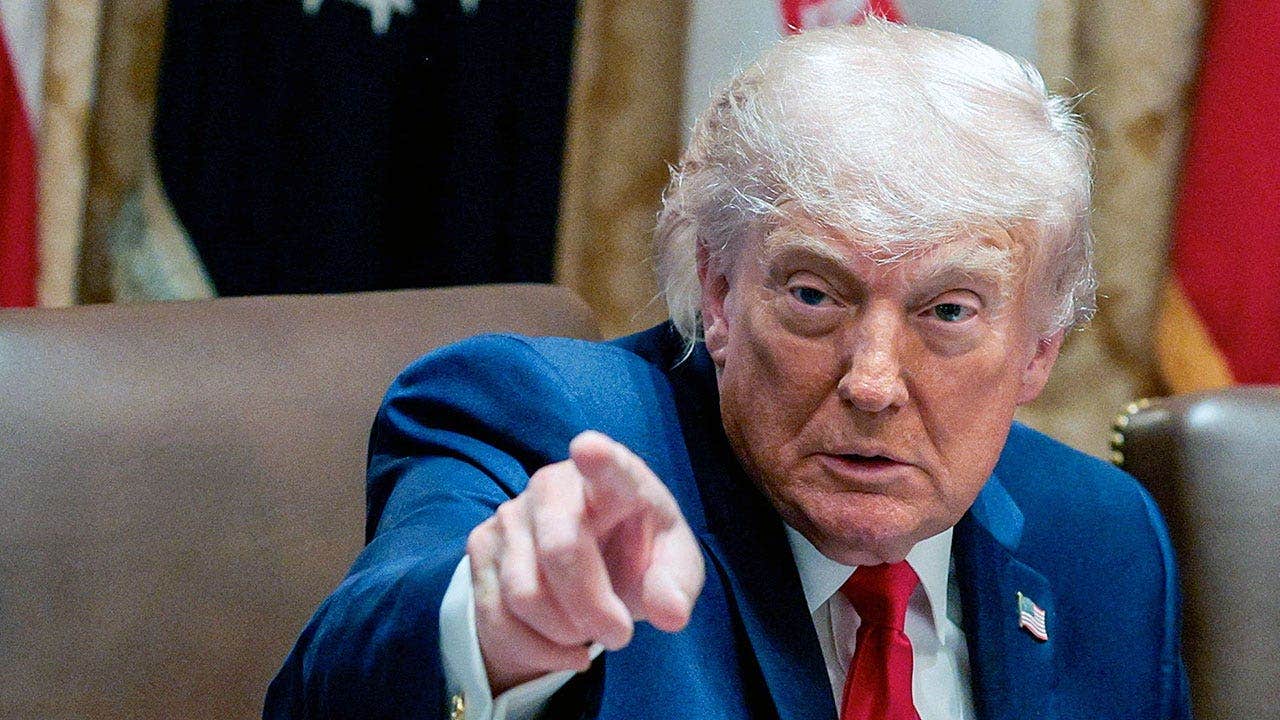
President Donald Trump has announced that the U.S. has reached an agreement with Iran, stating that the deal will prevent the nation from acquiring nuclear weapons and will lead to the reopening of the Strait of Hormuz. The International Atomic Energy Agency (IAEA) Director General Rafael Grossi has indicated that the agency is prepared to verify any potential nuclear agreement between the U.S. and Iran, stressing the critical role of verification. Grossi also underscored the enduring significance of the Nuclear Non-Proliferation Treaty, even as recent review conferences have concluded without consensus.
Despite the President's announcement, the proposed deal is encountering substantial opposition. Democratic lawmakers have voiced strong criticism even before the agreement is finalized, raising concerns about its specific terms, the potential release of frozen Iranian assets, and the broader strategic approach to Iran. Former U.S. Ambassador to the UN, John Bolton, has also sharply criticized President Trump's potential dealings with Iran, characterizing any agreement as a "birthday gift" to the Iranian regime. Former President Barack Obama has expressed skepticism, questioning the improvements this new pact offers over the 2015 agreement and suggesting that diplomatic solutions are preferable to military conflict.
President Trump also revealed that an Israeli strike on Beirut, targeting Prime Minister Benjamin Netanyahu, reportedly delayed the signing of the Iran deal by several hours. Trump conveyed his anger to Netanyahu regarding the timing of the strike. In a separate development, President Trump has linked the renewal of the Foreign Intelligence Surveillance Act (FISA) to his proposed voting rights legislation, the Save America Act. He stated that he will not support the renewal of FISA unless his act, which requires proof of citizenship for voting, is included. This comes after the House of Representatives previously rejected a measure to extend a key spy authority under Section 702 of FISA.