Key facts
- The Supreme Court limited Donald Trump's power over independent regulators.
- The Supreme Court rejected a defamation appeal by Donald Trump.
- The Supreme Court expanded Donald Trump's authority over certain government officials.
The U.S. Supreme Court issued several rulings impacting Donald Trump and election practices. The court limited Trump's power over independent regulators while also expanding his authority over certain government officials. In election-related matters, the justices upheld state laws allowing mail-in ballots received after Election Day to be counted, a decision affecting practices in approximately 30 states. The court also rejected Trump's bid to overturn a $5 million verdict for sexual abuse and defamation, and separately rejected a defamation appeal. Additionally, the Trump administration's challenge to birthright citizenship, rooted in the 14th Amendment, was noted.
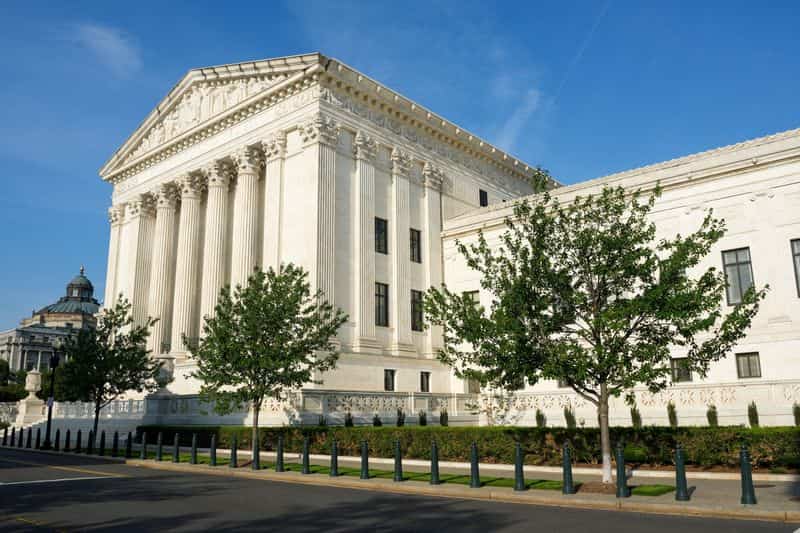
The U.S. Supreme Court has issued a series of significant rulings affecting Donald Trump and electoral processes. In one decision, the court limited Trump's authority to remove heads of independent agencies, a move that curtails his power over regulatory bodies. However, the same ruling also expanded his authority over certain other government officials. The court's decisions also touched upon election integrity, upholding state laws that permit mail-in ballots to be counted even if they arrive after Election Day. This specific ruling rejected a Republican challenge to Mississippi's five-day grace period for mail-in ballots, a practice that influences how votes are handled in roughly 30 states across the country.
Further complicating matters for Donald Trump, the Supreme Court rejected his attempt to overturn a $5 million verdict. This verdict, previously awarded in a civil case, found him liable for sexual abuse and defamation. The court's refusal to intervene upholds the jury's findings and the damages awarded in that case. Separately, the court also rejected a defamation appeal brought by Trump. The context of these rulings also includes the Trump administration's prior stance on birthright citizenship, which the administration viewed as a factor contributing to illegal immigration. Birthright citizenship, a practice established by the 14th Amendment, grants citizenship to individuals born on U.S. soil, with few exceptions.
The U.S. Supreme Court has issued a series of significant rulings affecting Donald Trump and electoral processes. In one decision, the court limited Trump's authority to remove heads of independent agencies, a move that curtails his power over regulatory bodies. However, the same ruling also expanded his authority over certain other government officials. The court's decisions also touched upon election integrity, upholding state laws that permit mail-in ballots to be counted even if they arrive after Election Day. This specific ruling rejected a Republican challenge to Mississippi's five-day grace period for mail-in ballots, a practice that influences how votes are handled in roughly 30 states across the country.