US denies Polestar authorization to sell vehicles, citing China manufacturing
IN SHORT
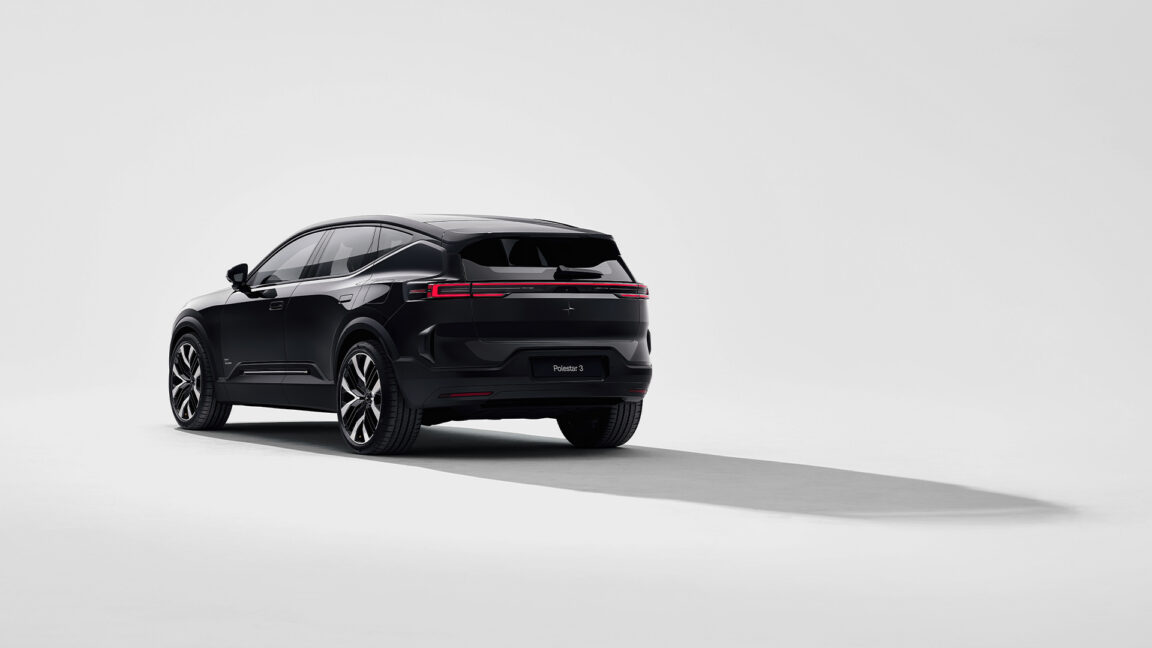
The U.S. Commerce Department has denied Swedish EV maker Polestar authorization to sell vehicles from model year 2027, effectively banning future sales due to its Chinese manufacturing ties. Polestar will continue selling existing models in the U.S. while increasing its focus on Europe.
Key Numbers
2027model year from which sales are banned
94%Polestar's Q1 2024 sales volume outside the U.S.
Who's Involved
Polestar
electric-vehicle maker denied U.S. sales authorization
U.S. Commerce Department
agency denying Polestar authorization
Geely Holding
China-based majority owner of Polestar
Michael Lohscheller
CEO of Polestar
Volvo
Polestar's sibling company also owned by Geely
↳ Why This Matters
The decision reflects the U.S. administration's policy to restrict vehicles with Chinese technology and manufacturing, impacting global EV supply chains and potentially shifting market focus for companies like Polestar.