Key facts
- Peru's Congress approved a $2.8 billion budget expansion.
- The funds will support infrastructure projects, essential services, and El Niño safety measures.
- Approximately half of the new funds are allocated to completing public works.
- The remaining funds will cover public sector salaries, crime initiatives, and flood-prevention infrastructure.
- A state of emergency has been declared in nearly 40% of Peru's districts due to El Niño risks.
Peru's Congress has approved a $2.8 billion budget expansion, a move aimed at bolstering infrastructure projects, essential services, and safety measures in anticipation of potential damage from El Niño rains. The legislature's Permanent Commission passed the measure with 17 votes in favor and five against.
Approximately half of the newly allocated funds will be directed towards completing existing public works to ensure the continuity of essential services. The remaining funds are earmarked for public sector salaries, crime prevention initiatives, and flood-prevention infrastructure, particularly focusing on mitigating the impacts of the El Niño climate phenomenon.
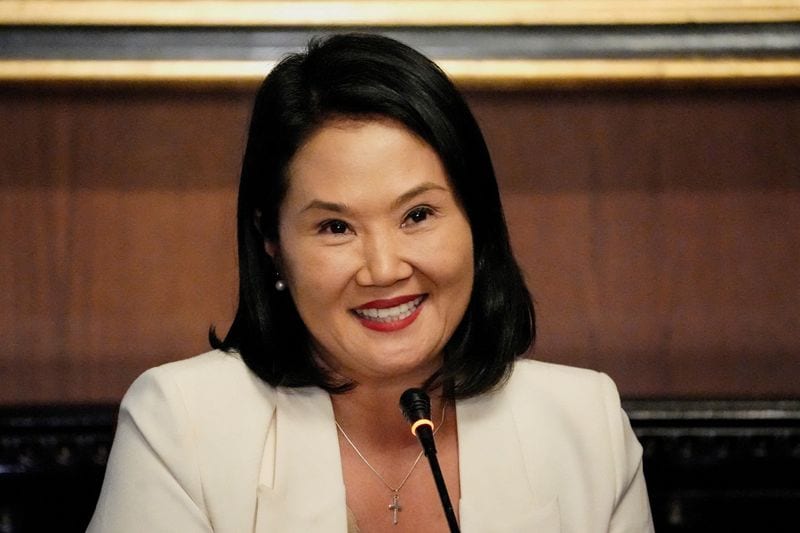
Interim President Jose Balcazar has already declared a 60-day state of emergency in nearly 40% of the country's districts due to the imminent danger posed by intense El Niño rains. President-elect Keiko Fujimori has indicated she may issue emergency decrees to activate further preventative measures.
A report by Credicorp Capital Asset Management estimates that El Niño could inflict losses of up to 16 billion soles ($4.70 billion) on Peru between 2026 and 2027, with significant damage expected on the northern coast.
Despite these climate risks, Peru's central bank recently revised its economic growth forecast for the current year upward to 3.4% from 3.2%, citing robust domestic demand and private investment. However, Peru's fiscal council has voiced concerns regarding the supplementary credit proposal, noting the government's decision to expand the budget rather than utilize unexpected revenue windfalls for precautionary savings or to curb spending pressures.