Key facts
- The U.S. is expected to announce a 25% tariff on thousands of Brazilian imports.
- The tariffs could affect over 4,000 products, valued at approximately $15 billion annually.
- Brazil's government views the U.S. demands as impossible to meet unilaterally.
- The U.S. cites alleged unfair trade practices, including deforestation and the Pix payment system, as reasons for the investigation.
- Brazil's Foreign Minister described the investigation as 'arbitrary' and 'economic pressure'.
Brazil is preparing for the United States to impose a new 25% tariff on thousands of its imports, a move expected to affect approximately $15 billion in annual trade and signal a broader U.S. tariff strategy. The announcement, anticipated for Wednesday, comes after months of unsuccessful negotiations between the two countries.
Sources familiar with the matter indicated that U.S. demands included concessions on tariffs for its exports that Brazilian law does not permit the government to grant unilaterally. Brazil's Foreign Minister Mauro Vieira has characterized the U.S. investigation, which cites alleged unfair practices like illegal deforestation and the Pix payment system's impact on credit card companies, as 'arbitrary' and part of 'widespread economic pressure'.
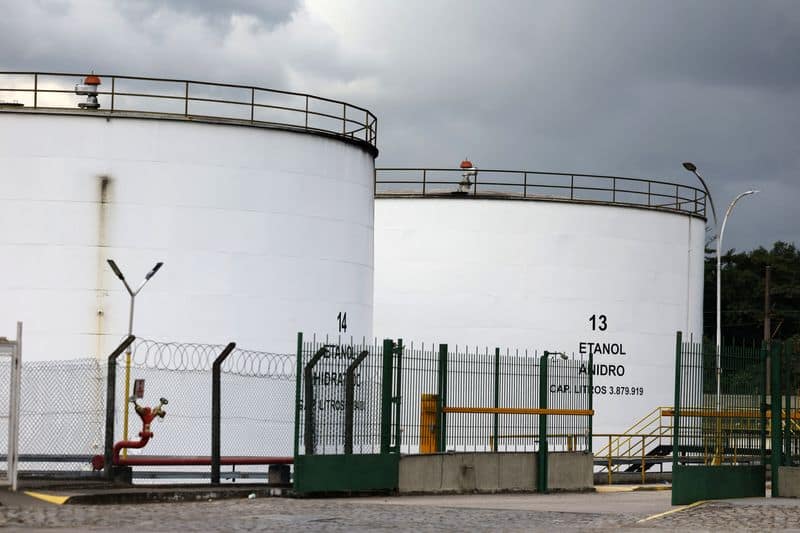
The proposed tariffs under Section 301 of U.S. trade law are expected to target products such as pig iron, wood moldings, cane sugar, ethanol, and tobacco, for which Brazil is a leading supplier. However, key Brazilian exports like beef, coffee, rare earths, and aircraft parts are anticipated to be exempted.
This development follows previous 40% tariffs imposed by the Trump administration, which were reportedly politically motivated. The U.S. share of Brazil's total trade has declined significantly, falling to 9.7% in the first half of the year, the lowest level since 1997, as Brazilian companies have sought other international partners, notably China.
Brazil has indicated it may retaliate once the tariffs are in place, depending on their impact. Additionally, Brazil is subject to a separate USTR investigation into forced labor in supply chains, which could result in a further 12.5% tariff, bringing the total potential burden to 37.5%.