HomeEverythingEducationTV
Equities & FundsCrypto & Digital AssetsAI & TechnologyBusiness & CorporateUS Politics & PolicyGeopolitics & Global RiskMacro, Rates & FXCommodities & EnergyEuropean Politics & MarketsAsia-PacificReal Estate & Property
Story archiveAll categories
← All Stories

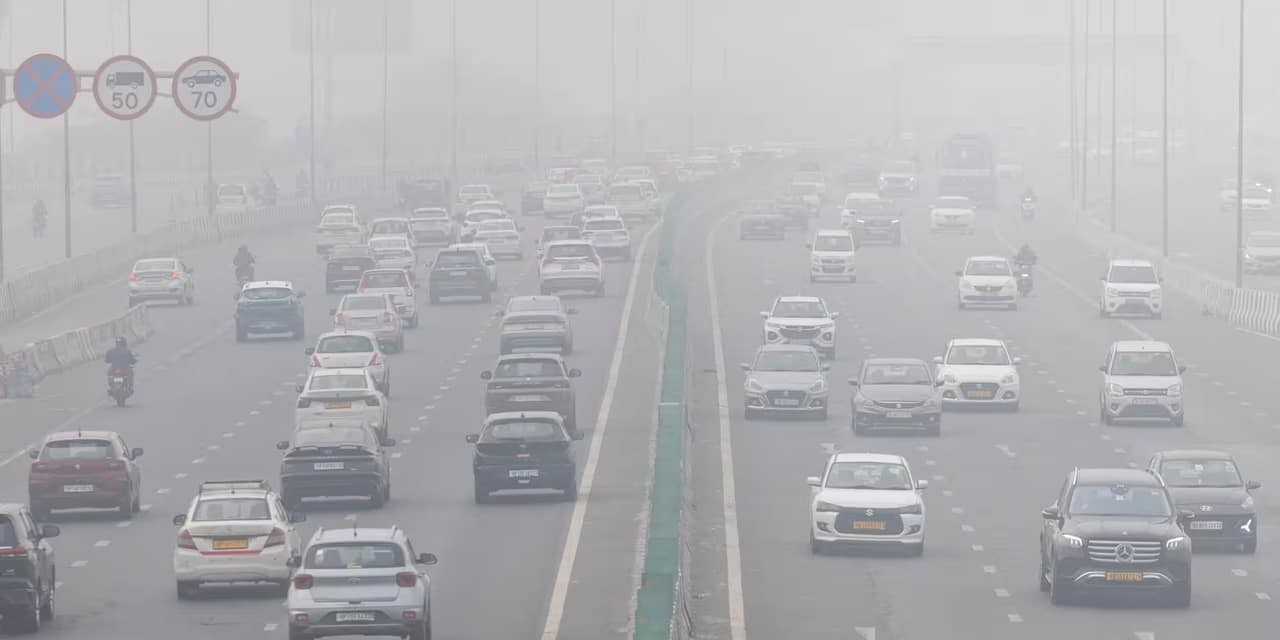
Delhi announces $1.57B EV push to combat severe air pollution

Created at 15 Jul · 4:21 AM1 source↑ Market-relevant
IN SHORT

Delhi authorities have launched an ambitious electric vehicle policy, 'Delhi EV Policy 2.0', with a 150 billion rupee ($1.57 billion) budget to tackle severe air pollution. The policy includes purchase incentives, scrappage bonuses, and phased bans on internal combustion engine vehicle registrations.

✉Newsletter

PiQ Daily

Pick your topics. Get only what matters, on your cadence.

Key Numbers

150 billion rupeesDelhi government EV budget
$1.57 billionDelhi government EV budget
15,000 croreInvestment planned for Delhi EV Policy 2.0
30 lakhMaximum price for EV tax exemption
1 January 2027Electric auto-rickshaw and N1-class truck registration deadline
1 April 2028Electric two-wheeler registration deadline
30,000 rupeesPurchase incentive for electric two-wheelers
50,000 rupeesPurchase incentive for electric three-wheelers
1 lakhPurchase incentive for electric commercial vehicles
100,000Scrappage incentive applicants
32,000Planned charging stations in Delhi
23%Vehicles' contribution to Delhi's winter pollution
67%Two-wheelers' share of vehicle registrations in Delhi

Who's Involved

Delhi government
Administers India's capital region and launched new EV policy
Delhi Cabinet
Approved the 'Delhi EV Policy 2.0'
Commission for Air Quality Management
Reported vehicles cause 23% of Delhi's winter pollution
Delhi announces $1.57B EV push to combat severe air pollution

↳ Why This Matters

Delhi's aggressive EV policy is a critical step in addressing its severe air pollution crisis, which significantly impacts public health and life expectancy. The success of this policy could serve as a model for other cities facing similar environmental challenges.

Key facts

  • Delhi has launched 'Delhi EV Policy 2.0' to accelerate the transition to electromobility.
  • The policy allocates 15,000 crore rupees (approximately $1.57 billion) over four years.
  • New registrations of fossil fuel three-wheelers and light-duty trucks will be prohibited from January 1, 2027.
  • New registrations of fossil fuel two-wheelers will be prohibited from April 1, 2028.
  • Incentives include tax and registration fee exemptions for EVs up to 30 lakh, and purchase incentives up to 1 lakh rupees.
  • A scrappage incentive is offered for up to 100,000 eligible applicants.

The Delhi government is intensifying efforts to combat severe air pollution with a new 150 billion rupee ($1.57 billion) electric vehicle initiative. The 'Delhi EV Policy 2.0', effective from July 1, 2026, to March 31, 2030, aims to accelerate the transition to electromobility by combining purchase incentives, scrappage bonuses, and phased bans on internal combustion engine vehicles.

Under the new policy, only battery-electric auto-rickshaws and N1-class trucks will be eligible for registration from January 1, 2027, followed by electric two-wheelers from April 1, 2028. The policy offers a 100% exemption from vehicle tax and registration fees for electric cars priced up to 30 lakh (just under €28,000), though this benefit is now limited to a smaller range of models. Purchase incentives are also available, ranging from 30,000 rupees for electric two-wheelers to 1 lakh for electric commercial vehicles, with amounts decreasing over the years. A scrappage incentive is provided for the first 100,000 eligible applicants who trade in old vehicles for a new electric vehicle priced up to 30 lakh.

The policy aims for 95% of all new vehicle registrations in the city to be electric by next year, explicitly excluding plug-in hybrids from incentives. In parallel, Delhi plans to install 32,000 charging stations and has allocated land for the necessary infrastructure. Previous measures include bans on petrol and diesel vehicles older than 15 and 10 years, respectively, and a restriction on fuel sales for vehicles older than 15 years since spring 2025.

Vehicles are identified as a significant contributor to Delhi's pollution, causing 23% of winter pollution according to a report by the Commission for Air Quality Management. Two-wheelers alone constitute 67% of all registered vehicles in the city. The policy's sequencing of mandates for three-wheelers and light trucks before two-wheelers reflects pollution priorities and market readiness, though critics raise concerns about the speed of transition for those who can least afford it. The success of the policy hinges on the timely delivery of the planned charging infrastructure.

Frequently asked questions

The main goal is to combat severe air pollution in the Indian capital by accelerating the transition to electric vehicles and phasing out internal combustion engine vehicles.

The policy offers 100% exemption from vehicle tax and registration fees for EVs up to 30 lakh, along with purchase incentives of up to 1 lakh rupees for commercial vehicles and lower amounts for two and three-wheelers. A scrappage incentive is also available.

From January 1, 2027, only electric three-wheelers and light trucks can be newly registered, and from April 1, 2028, only electric two-wheelers can be newly registered. Existing vehicles are not immediately removed from the road.

The government plans to install 32,000 charging stations and has allocated land for infrastructure. Incentives are designed to make the switch financially attractive.

What Happens Next

01New registrations of fossil fuel three-wheelers and light-duty trucks will be prohibited from January 1, 2027.
02New registrations of fossil fuel two-wheelers will be prohibited from April 1, 2028.
03Delhi aims to install 32,000 charging stations across the city.

Get the newsletter.

Pick the topics you actually care about. We'll email when there's news worth your time, on the cadence you choose. Cancel any time from your account.

Cadence

How It Developed

Delhi authorities announced a new policy, 'Delhi EV Policy 2.0', to combat air pollution.
The policy includes a 150 billion rupee ($1.57 billion) budget for electric vehicle initiatives.
From January 1, 2027, only battery-electric auto-rickshaws and N1-class trucks will be eligible for registration.
From April 1, 2028, only electric two-wheelers will be eligible for registration.
The policy offers purchase incentives for electric vehicles, with amounts decreasing over time.
A scrappage incentive is available for the first 100,000 eligible applicants who trade in old vehicles for new EVs.
Delhi aims to install 32,000 charging stations across the city.
The policy excludes plug-in hybrids from incentive measures.

Sources

T1
Indian capital promotes EVs to tackle severe air pollutionNikkei Asia
T2
Delhi tightens EV programme - and bans internal combustion vehicleselectrive.com
T2
Cleaner air requires hard choices and Delhi just made oneenergy.economictimes.indiatimes.com

Related Stories

Trump clean energy policies linked to $83 billion in delayed or canceled projects
14 Jul · 8:04 AM
Brutal killing of 11-year-old highlights unrelenting sexual violence in India
15 Jul · 1:06 AM
UK Buy Now, Pay Later Sector Faces £3bn Reckoning Under New FCA Rules
15 Jul · 12:36 AM
President Lee calls for reform and innovation in policy implementation
15 Jul · 2:06 AM
Indonesian free meals operators protest moratorium on new kitchens
14 Jul · 10:29 AM