Key facts
- US envoys Steve Witkoff and Jared Kushner are engaged in a diplomatic effort to end Russia's war in Ukraine.
- The envoys met with Russian President Vladimir Putin in Moscow and Ukrainian President Volodymyr Zelenskyy in Kyiv.
- Witkoff stated that Washington heard 'new ideas' from Moscow.
- Kushner indicated the US is developing a 'peace package'.
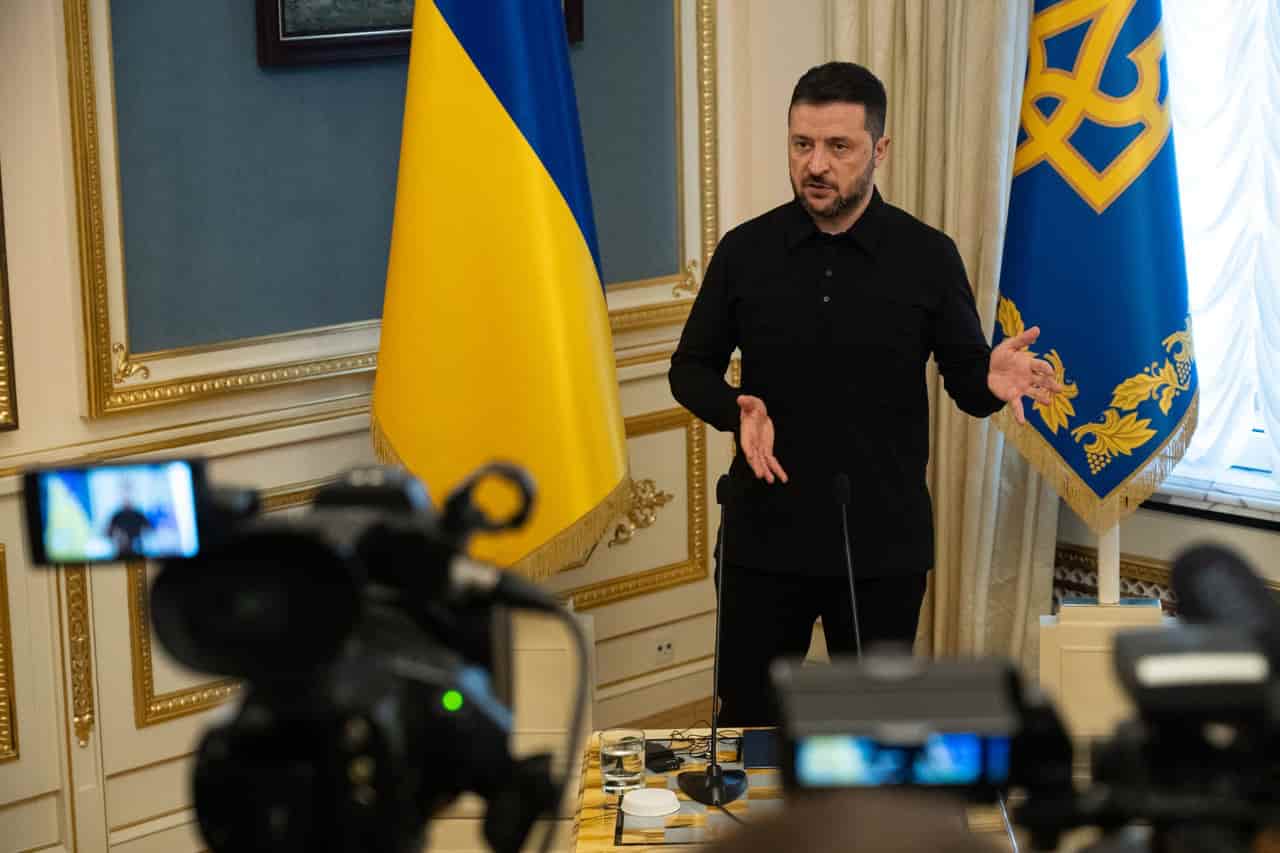
- Zelenskyy described his talks with the US envoys as 'very substantial' and expressed readiness for trilateral negotiations.
- National security advisers from Britain, France, and Germany participated in discussions in Kyiv.
The Trump administration has revived its diplomatic drive to end Russia’s war in Ukraine, with US envoys Steve Witkoff and Jared Kushner traveling from Moscow to Kyiv in an effort to lay the groundwork for negotiations. After separate meetings with Russian President Vladimir Putin and Ukrainian President Volodymyr Zelenskyy, the central question remains whether Moscow's position has shifted sufficiently to enable a settlement.
Witkoff described discussions in both capitals as constructive, stating that Washington had heard “new ideas” from Moscow, while Kushner indicated the US is working on a broader “peace package.” Zelenskyy called his talks with the Americans “very substantial” and expressed readiness for trilateral talks involving Kyiv, Washington, and Moscow. National security advisers from Britain, France, and Germany also joined part of the Kyiv discussions.
However, former US ambassadors to Ukraine expressed caution. William B. Taylor Jr. stated that the crucial diplomatic challenge lies with Moscow, and he has heard no indication that Putin has moved from his maximalist demands. John E. Herbst noted the current initiative is the most substantial US diplomatic effort in months but remains uncertain about its seriousness. Geoffrey Pyatt also welcomed the renewed engagement but warned that Russia’s willingness to de-escalate is the fundamental obstacle.
Witkoff’s assertion of hearing “new ideas” from Moscow has not been further explained, leaving ambiguity between new language and a genuine shift in Russia’s stance. Taylor suggested that concrete military de-escalation, such as a cease-fire, a halt to long-range strikes, an end to attacks on energy infrastructure, and an understanding on shipping, would signify a real departure from Moscow’s current position. Herbst pointed to past unfulfilled expectations from American officials regarding Russian compromises.
A senior US administration official briefed on the visit stated that Washington remains optimistic about future negotiations and will assess the outcome of the envoys' meetings to determine concrete next steps. The upcoming UN General Assembly was identified as a potential venue to continue this work.
Key issues in any potential settlement remain territory and Ukraine's future security. Russia and Ukraine are far apart on territorial concessions, with Ukraine viewing Russian-occupied land as its sovereign territory. Taylor proposed that Ukraine and its Western partners could acknowledge Russia's de facto control over approximately 19 percent of Ukrainian territory without granting legal recognition, effectively freezing the dispute. However, he stressed there is no indication Putin is prepared to accept this. Herbst believes Putin’s objectives extend beyond territory to substantial control over Ukraine’s political direction.
Experts distinguish between ending the fighting and resolving the war. Taylor advocated for a comprehensive cease-fire as the first step toward a lasting settlement, coupled with security guarantees and reconstruction efforts to ensure Ukraine's defense capabilities. He suggested potential security arrangements could involve European troops in Ukraine, supported by the US, and Ukraine's eventual integration into the EU and NATO. The participation of European national security advisers in the Kyiv talks was seen as significant, demonstrating the critical role of collaboration and suggesting European countries would be principal providers of any security arrangement.