Key facts
- Xi Jinping's leadership is underpinned by his control over the People's Liberation Army.
- The principle that power derives from military control has been consistent in China's Communist Party.
- Mao Zedong famously stated, 'Political power grows out of the barrel of a gun.'
- Nostalgia for Mao's ideals is growing in China amid economic challenges.
- Xi Jinping's father was purged and persecuted during the Cultural Revolution.
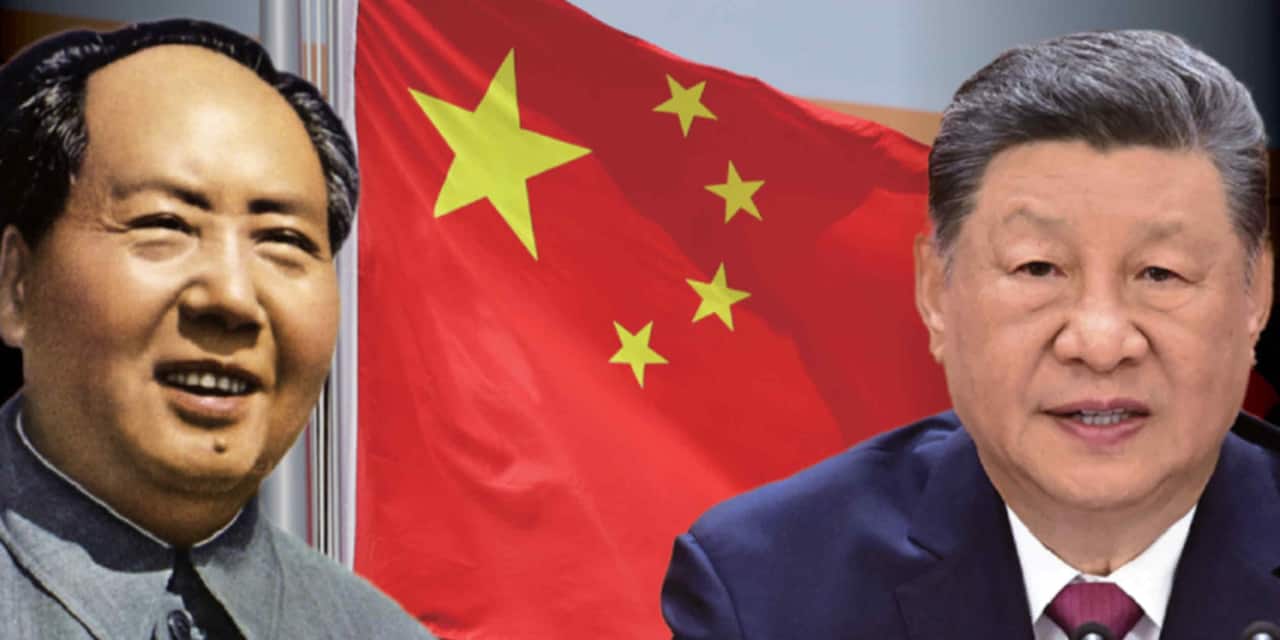
Fifty years after the death of Mao Zedong, the principle that political power stems from control over the military remains a cornerstone of leadership within China's Communist Party. Chinese President Xi Jinping has maintained an increasingly tight grip on the People's Liberation Army, a strategy that echoes Mao's own consolidation of power. Mao's legacy, including the tumultuous Cultural Revolution, continues to cast a long shadow over China's future and its current leadership.
Mao's death on September 9, 1976, marked the end of his nearly three-decade rule, during which he brought roughly a quarter of the world's population under Communist Party rule. While the party later condemned the Cultural Revolution as a grave error, it still reveres Mao, stating his achievements outweigh his mistakes. His preserved body lies in the Chairman Mao Memorial Hall, and his portrait overlooks Tiananmen Square.
The Cultural Revolution, launched in 1966, saw Mao mobilize students and supporters against perceived 'class enemies,' leading to widespread upheaval, persecution, and economic paralysis. This period profoundly impacted leaders who followed, including Xi Jinping, whose father was purged and persecuted, and who himself was sent to the countryside for seven years. Despite this personal suffering, Xi has not publicly blamed Mao and has instead argued that the post-Mao reform era should not repudiate the Maoist years.
Since becoming China's top leader in 2012, Xi has consolidated power, stressed ideological conformity, and broken with reform-era term limits. He has also had his name formally attached to state ideology, a feat not achieved by any leader since Mao. Experts note that Xi has reinstated elements of Maoism, such as iconography and language, combined with strong nationalism and populism, potentially creating pressure for future change.