Key facts
- Chiao said only AI companies can afford current memory chip prices, with other industries suffering.
- Chiao said consumers may keep phones another year or delay PC upgrades as memory costs lift device prices.
- Chiao said he does not expect memory makers' gross margins to keep climbing from current levels.
- Chiao said data center construction already permitted for 2027 and 2028 makes AI memory demand relatively clear for those years.
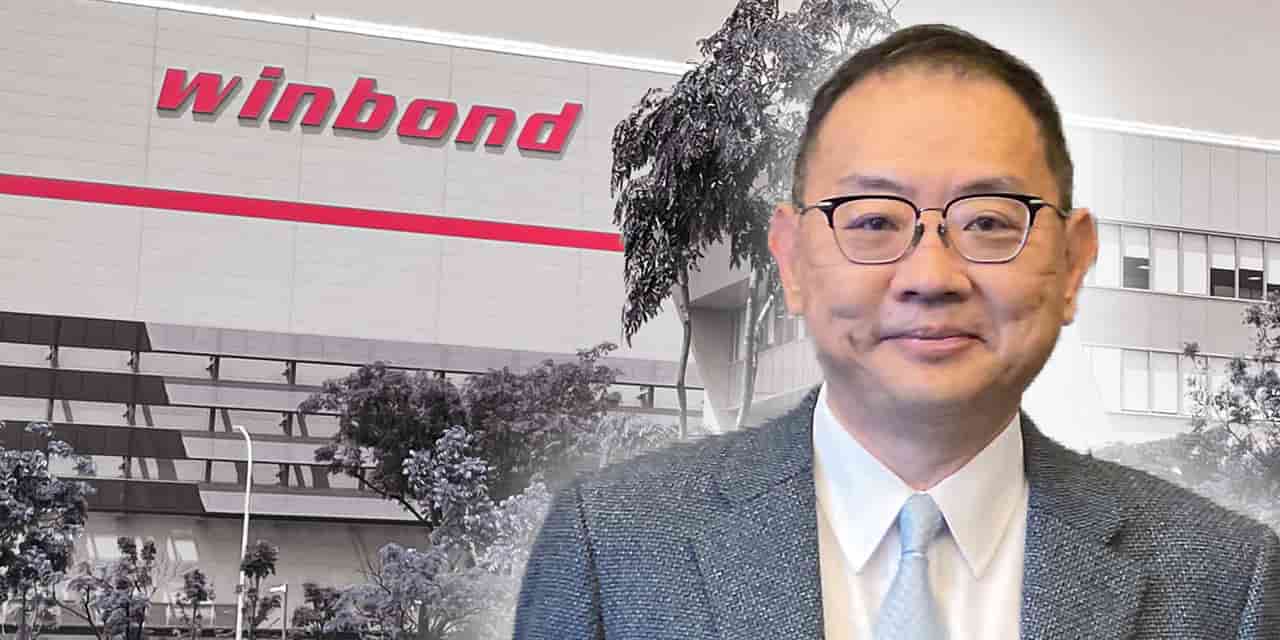
Chiao Yu-Cheng, chairman and CEO of Taiwan's Winbond Electronics, said in an interview published by Nikkei Asia on November 9 that relentless memory price increases driven by demand for artificial intelligence are unsustainable, with consumers and non-AI industries bearing the cost. Winbond is the world's largest maker of NOR flash memory chips, according to the report.
Chiao said only AI companies can afford such high prices for memory chips, while other industries are suffering. He said that when phones become too expensive, consumers may keep using their existing handset for another year, and that a rise in PC prices may lead buyers to delay a replacement by a year. Memory price increases eventually show up in the price of end products, which weighs on consumer electronics demand, he said.
He said the memory industry should not focus only on the AI market while ignoring the ability of other industries and consumers to absorb higher costs. Asked whether memory prices had reached a peak, Chiao said he hoped so, adding that further increases would hurt ordinary consumers even though AI customers can absorb them.
Chiao said he does not believe memory makers can keep pushing gross margins higher, and that both prices and market demand have limits. He also said data center construction progress reported to Winbond by cloud service providers makes AI demand relatively clear for 2027 and 2028, with many data centers already holding land development permits, power and building infrastructure and moving to server installation. Whether supply stays tight will depend on how fast memory makers add capacity, he said.