

Key facts
- The White House aimed to question Fed governor Lisa D. Cook at a private hearing on November 5, per the primary report.
- Cook's lawyers said she could not appear, citing scheduling conflicts and foreign travel.
- Kevin Hassett told Bloomberg the White House and Cook's lawyers agreed to a December meeting.
- A June Supreme Court ruling said Trump should have given Cook a proper chance to respond to the charges.
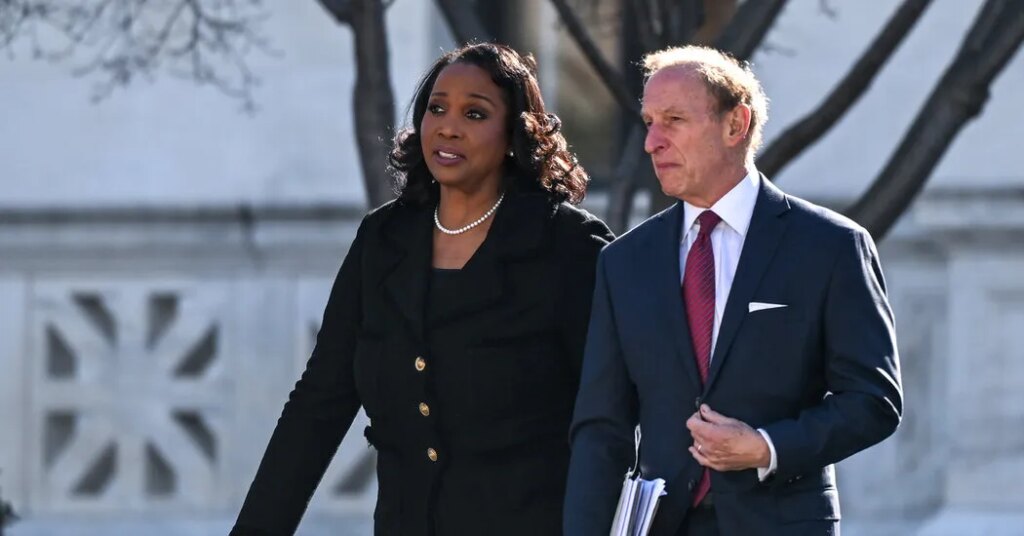
The White House has renewed its effort to remove Federal Reserve governor Lisa D. Cook over allegations of mortgage fraud, which she has consistently denied. The administration aimed to question Cook at an unorthodox, private hearing on November 5, according to the primary report, though a second account said the White House delayed the proceeding to December.
Cook's lawyers told the White House she could not appear for the November hearing, citing scheduling conflicts and foreign travel. Her lawyers and White House officials have repeatedly declined to say whether they were discussing a different hearing date or another option entirely.
The hearing stems from Trump's first attempt to fire Cook, which she sued to block in a case that reached the Supreme Court. In a June ruling, the justices took no position on the charges against her but said Trump should have given Cook a proper chance to respond to them.
Kevin Hassett, a member of the three-person committee investigating Cook, told Bloomberg the White House and Cook's lawyers agreed to a December meeting and that the White House seeks a completely fair process. Cook's lawyers declined to confirm an agreed date, according to the second account.
Federal Reserve Chairman Kevin M. Warsh has largely refrained from commenting on the charges against his colleague or on the president's attempts to pressure the Fed into lowering interest rates. At his confirmation hearing, asked whether he would defend Cook's tenure, Warsh said: "If I stand for anything, it's the Fed should stay in its lane." He added that it was inappropriate for him to weigh in because he could be a party to the matter.