Key facts
- Warby Parker's glasses connect to Google's Gemini assistant for directions, translation and descriptions of surroundings, the company said.
- Google will not use visuals captured with the glasses to train its AI, and the glasses bar facial recognition of bystanders, Warby Parker said.
- A white notification light on the front of the frames turns on automatically when a user starts recording video, the company said.
- Ray-Ban's Meta glasses represented 81.3% of AI glasses shipments in the first half of 2026, according to tech research group Omdia.
- Global AI glasses shipments more than doubled in the first half of 2026 from a year earlier, though growth has slowed since the second half of 2025, Omdia said.
- Warby Parker shares had risen nearly 40% in 2026, against a 10% gain in the S&P 500, on optimism about the eyewear plan.
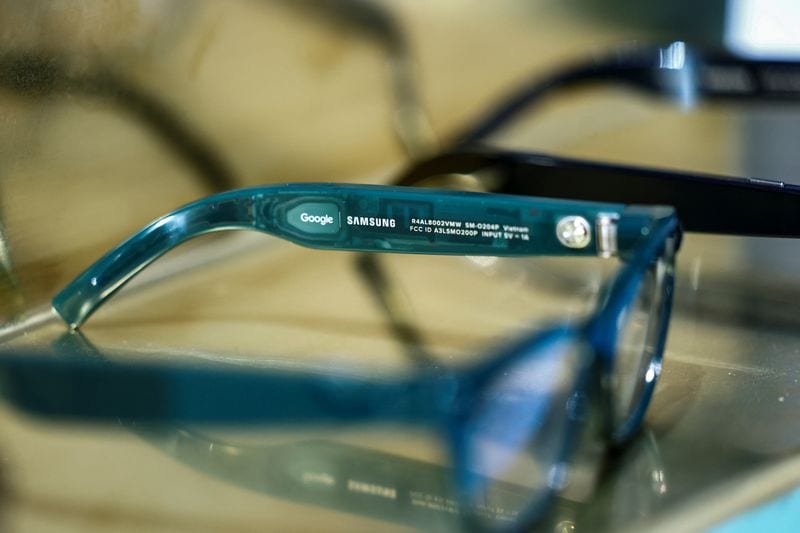
Warby Parker is entering the smart glasses market in partnership with Google and Samsung, and shoppers will start placing pre-orders with the New York eyewear brand on Thursday, November 12. The glasses start at $395 and connect to Google's Gemini assistant for tasks from directions to language translation.
The frames are broadly similar to Meta smart glasses already sold under the Ray-Ban and Oakley brands by EssilorLuxottica, which have faced regulatory scrutiny from Norway to Australia. Warby Parker Co-CEO Neil Blumenthal told Reuters the difference is a privacy framework built in from the outset: Google will not use visuals captured with the glasses to train its AI, the frames bar facial recognition of bystanders, and a small white notification light on the front turns on automatically when a user starts recording video.
Ray-Ban's Meta glasses still dominate, representing 81.3% of AI glasses shipments in the first half of 2026, according to tech research group Omdia. Global AI glasses shipments more than doubled in that half from a year earlier, though growth has slowed since the second half of 2025, Omdia data shows. A Meta spokesperson said its AI glasses also include a camera notification light on the front and that input from safety experts helped inform the privacy features.
Optimism that the "intelligent eyewear" plan will prove a growth engine has helped Warby Parker shares rally by nearly 40% in 2026, against a 10% gain in the S&P 500. Executives said on an earnings call earlier in November that they expect the wearable to add several percentage points to fourth-quarter revenue growth. Analysts at TD Cowen wrote in a research note last week that smart glasses are poised to be an "increasingly important driver" of the company's growth outlook.
Privacy concerns could still slow growth. One of Britain's biggest pub chains has restricted use of the frames, Norway's government is planning a temporary ban on AI glasses in certain locations, and Australia is considering barring camera-equipped smart glasses in government workplaces.
Juston Payne, who leads extended reality products at Google, told Reuters at a demo in New York that trust had been lost in the category. Payne said Google will embed guardrails to prevent tampering with the recording light, redact faces from video before it is sent to Gemini and ban targeted advertising on the glasses. Calli Schroeder, who leads the AI and human rights program at the Electronic Privacy Information Center, said she welcomed footage not being fed automatically into AI training but that a stranger holding footage of a child remains a concern.