Key facts
- Hundreds of tribal residents are protesting India's $87 billion river-linking project.
- Protesters cite flooding of villages and ancestral lands due to rising water from the project.
- Compensation offered is 1.25 million Indian rupees ($13,000) per hectare, with over 90% of payments made.
- Critics argue compensation is insufficient and the project risks damaging ecosystems, including the Panna Tiger Reserve.
- Environmentalists estimate the Daudhan Dam will inundate 9,000 hectares of land.
- Questions have been raised about the project's feasibility and its hydrological assumptions.
Hundreds of tribal residents in India are protesting the government's ambitious $87 billion project to link the nation's rivers, citing flooding of their villages and ancestral lands. The dispute highlights the tension between the government's goal of redistributing water to drought-prone regions and critics' concerns about uprooting communities and damaging ecosystems.
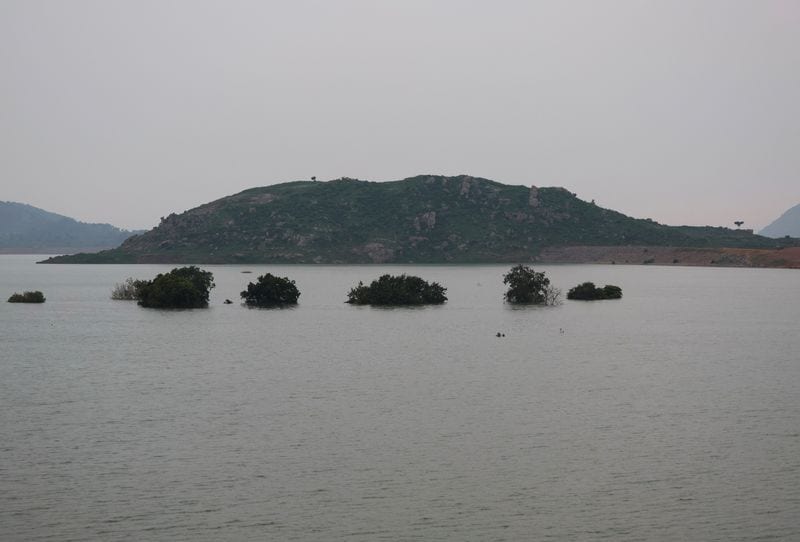
Bitti Bai Kondar, a mother of four, is among those protesting knee-deep in the Ken River, her village flooded by work on the project. She stated that the government is taking their land and water without providing adequate alternative housing or compensation. Other women protesters have staged mock funeral pyres to express their defiance.
The first phase of the project involves connecting Madhya Pradesh's Ken River to Uttar Pradesh's Betwa River, with an estimated cost of $4.6 billion. The government has offered residents in Panna district 1.25 million Indian rupees ($13,000) per hectare, more than double the initial offer. District administrator Usha Parmar reported that over 90% of affected individuals have received compensation.
However, some residents, like local priest Dhaniram Bhatnagar, argue the payments are insufficient to cover their losses, noting his temple was completely submerged. Environmentalists have long opposed the project, warning that the proposed 2-km-long Daudhan Dam on the Ken River could inundate approximately 9,000 hectares (22,200 acres) of land, including a significant part of the Panna Tiger Reserve. The government acknowledges the environmental impact is unavoidable but states it can be mitigated.
Critics also question the project's scientific feasibility, with Himanshu Thakkar of the South Asia Network on Dams, Rivers and People stating that the presumption of a water surplus in the Ken basin and a deficit in the Betwa basin has never been conclusively established. A government spokeswoman referred to a prior statement asserting the project would alleviate water scarcity in the Bundelkhand region by providing irrigation, drinking water, and hydropower.