Key facts
- Zelenskyy vowed retaliation if Russia continues strikes on Ukraine's power grid.
- Russia attacked a power station in Kharkiv after Trump announced an "energy ceasefire".
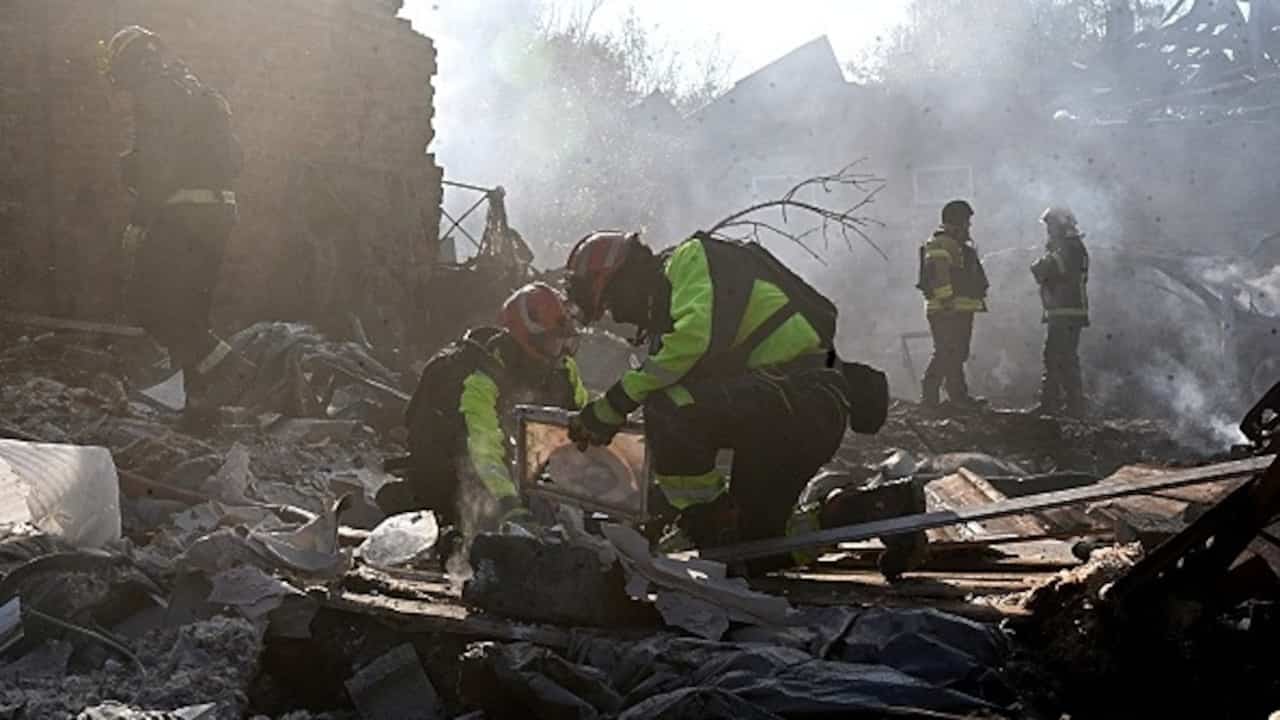
Ukrainian President Volodymyr Zelenskyy stated that Russia attacked energy infrastructure, including a power plant in Kharkiv, shortly after US President Donald Trump announced an "energy ceasefire" between the two nations. Zelenskyy expressed surprise at Trump's announcement, which he learned about via social media, and indicated Ukraine would support such a truce if Russia also complied. The attacks on power plants and a grocery store in Kharkiv, which killed three people, raise questions about Moscow's adherence to the declared ceasefire.
The escalating conflict over energy infrastructure strikes and differing approaches to sanctions on Russia risk further destabilizing global energy markets and straining transatlantic unity ahead of winter.
Ukrainian President Volodymyr Zelenskyy vowed to retaliate if Russia continues its attacks on Ukraine's power grid, stating that Kyiv would respond if Moscow did not agree to an "energy ceasefire" this winter. The comments came after Russia launched a "targeted attack" on a Kharkiv power station, plunging much of Kyiv into darkness, hours after US President Donald Trump announced an "energy ceasefire" that Ukraine said it had not agreed to.
Speaking to European security officials in Warsaw on Monday, Zelenskyy said, "If Russia does not agree to an energy ceasefire this winter, we will respond." He added that it was "clear that Putin does not read Truth Social," referring to Trump's social media platform where the "energy ceasefire" was announced.
European leaders have voiced support for Kyiv in its dispute with Trump over the strikes. EU foreign policy chief Kaja Kallas stated, "We welcome the energy ceasefire when it holds. We haven’t yet seen that also Russia will stick to it." Ministers from the Baltic states criticized the US decision to lift sanctions on imports of Russian diesel, with Lithuania's foreign minister Ke utis Budrys saying, "This deal doesn’t help, neither the crisis of the oil products, nor the unity within the transatlantic community when it concerns Russia."
Russia has intensified its attacks on Ukrainian infrastructure using drones and missiles ahead of the winter months, leading to blackouts and water shortages. Trump's proposal for an "energy ceasefire" focused on halting strikes on oil refineries, a move Kallas said favored Russia, which possesses more refineries. Trump had blamed Ukraine's attacks for high diesel prices, rather than global energy market shocks.
Pick the topics you care about. Get only what matters, on your cadence.