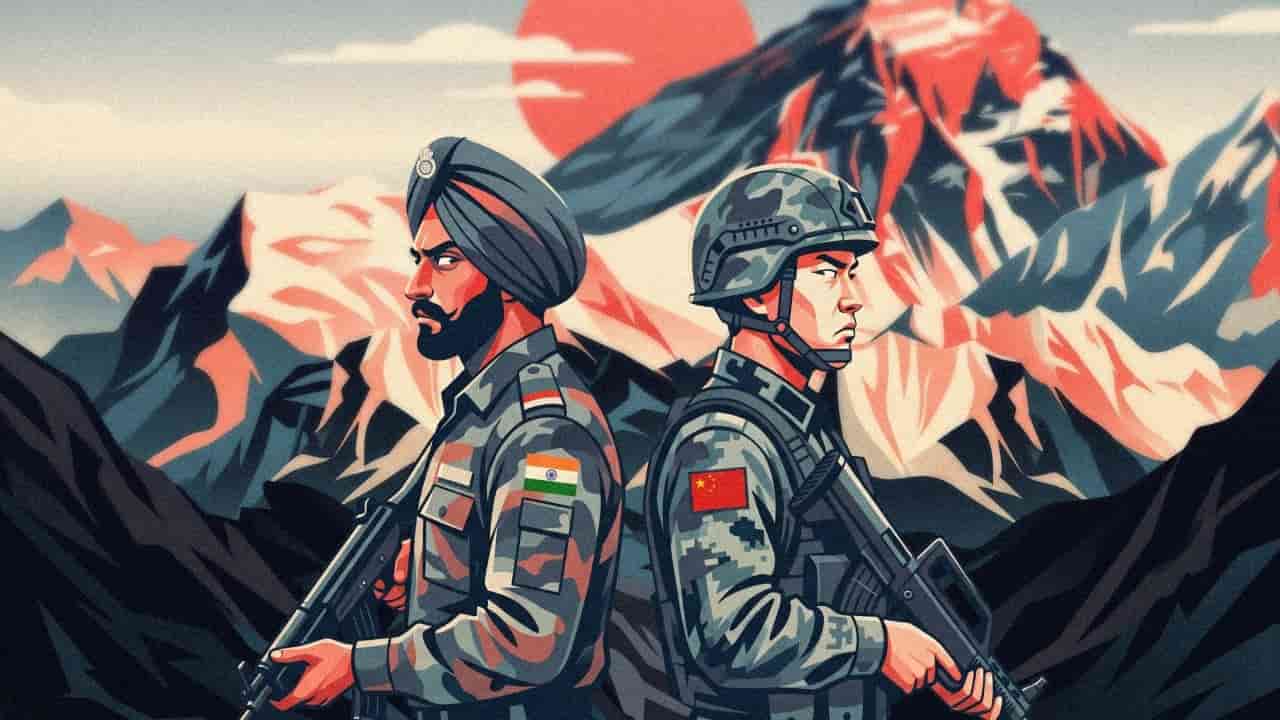
Despite recent diplomatic engagements and improved trade relations, military ties between India and China remain tense, mirroring the situation in 2020. Indian Prime Minister Narendra Modi and Chinese President Xi Jinping have met three times in the past three years, and some restrictions have eased, such as the resumption of direct flights and easier business visa approvals.
However, significant troop deployments persist along the disputed border, and territorial disputes continue to surface, particularly over India's north-eastern state of Arunachal Pradesh, which Beijing claims as Zangnan. China's role in India's military conflict with Pakistan in 2025, where Pakistan relied on Chinese-made military equipment, has also complicated ties.
The two nations experienced their first deadly military confrontation since 1975 in Galwan Valley in the western Himalayas in June 2020. The clash resulted in the deaths of at least 20 Indian soldiers and four Chinese soldiers. Following this, India increased scrutiny of Chinese investments, banned popular Chinese mobile apps, and severed direct passenger air links. Beijing, in turn, tightened curbs on people-to-people exchanges.
A disengagement pact was reached in October 2024, leading to the withdrawal of troops from five standoff locations. By December of that year, troops were also pulled back from the remaining two locations, effectively returning to the situation prior to the 2020 clash. Trade and business ties have since improved, with India resuming direct flights and easing restrictions on Chinese equipment. Nevertheless, the underlying military tensions and territorial disputes remain unresolved.