Key facts
- Chinese car imports are increasingly popular in the UK, with one model becoming the bestselling car in September.
- The EU faces a significant and growing trade deficit with China, raising concerns about deindustrialization.
- China has previously used its monopoly on rare earth minerals as a geoeconomic weapon.
- The EU is developing a strategy to address economic overreliance on China and promote a level playing field.
- EU institutions are concerned about China's trade imbalances and overcapacity.
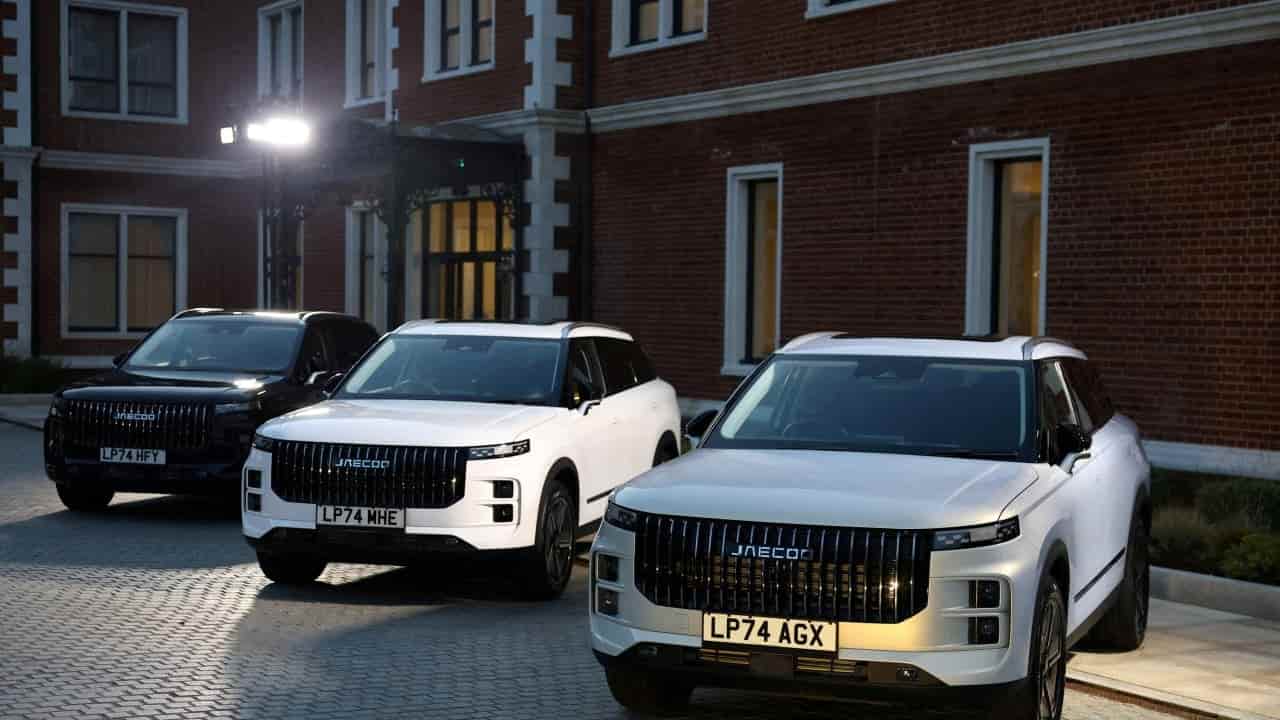
The European Union is confronting a complex challenge in its relationship with China, balancing the need to counter Beijing's economic leverage with maintaining trade ties and avoiding alienating allies. The recent success of Chinese-made cars in the UK, with Chery Automobile's Jaecoo 7 becoming Britain's bestselling car in September, highlights the growing influx of Chinese products into European markets.
Concerns are mounting within the EU regarding China's overcapacity and its potential to cause deindustrialization across the continent. This is exacerbated by China's control over critical raw materials, such as rare earths, which it has previously used as a geoeconomic weapon. In 2025, China imposed export license requirements on rare earth materials and permanent magnets, impacting European automotive, wind turbine, and defense manufacturers. While a one-year pause on these measures was announced following a meeting between US President Donald Trump and Chinese leader Xi Jinping in October 2025, the underlying vulnerability remains.
The EU's trade deficit with China has ballooned, reaching €360 billion in 2025 and projected to hit €400 billion this year, according to Eurostat. European Commission President Ursula von der Leyen has acknowledged this "tipping point" and the risk of deindustrialization, signaling readiness to negotiate but also to "use all the tools to rebalance our relationship" if talks fail. The European Parliament is also expected to adopt a critical resolution calling for "urgent action against the weaponisation of EU economic overreliance on China" and a "rigorous de-risking strategy" for strategic sectors.