Key facts
- The Supreme Court upheld state laws banning transgender athletes from participating in women's sports.
- The ruling applies to bans enacted in West Virginia and Idaho, affecting 25 other states.
- The court found the bans did not violate the Constitution's 14th Amendment or Title IX.
- States argued the laws preserve fair and safe competition for women and girls.
- Legal experts view the decision as a setback for transgender rights and LGBTQ+ rights generally.
- The court's conservative majority has previously allowed restrictions on transgender people in the military and gender-affirming care for youth.
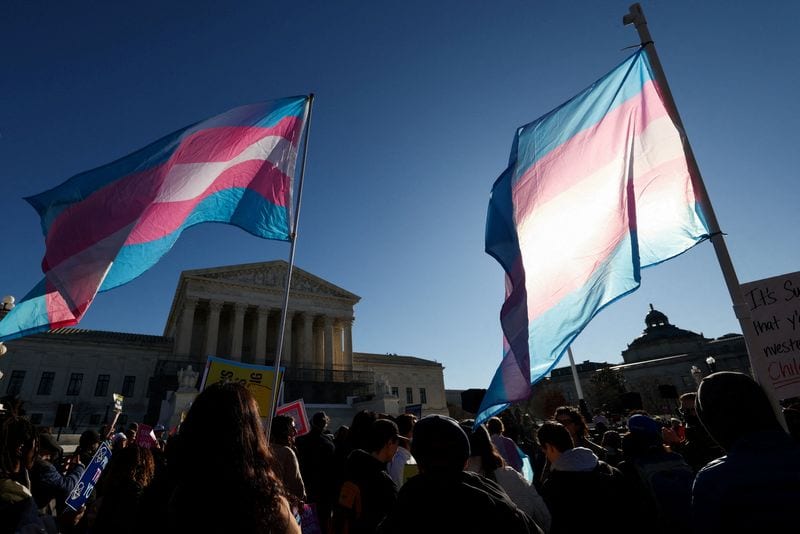
The U.S. Supreme Court has upheld state laws that ban transgender athletes from participating in women's sports, marking a significant shift in LGBTQ+ rights. The ruling, issued on the final day of the court's term, affirmed bans enacted in West Virginia and Idaho, impacting 25 other states.
The court's 9-0 decision found that these laws did not violate Title IX, a civil rights statute prohibiting sex-based discrimination in education. In a 6-3 vote along ideological lines, the court also determined that the bans did not violate the 14th Amendment's equal protection clause. States argued that these laws are necessary to ensure fair and safe competition for cisgender women and girls.
Legal experts described the decision as another setback for transgender individuals facing increasing restrictions and a broader reversal of LGBTQ+ rights. Professor Katie Eyer noted that the court appears more sympathetic to those who discriminate against LGBTQ+ people than to the community itself. Advocates for transgender rights emphasized that the ruling is specific to sports and does not preclude challenges to other discriminatory laws.
The conservative majority on the court, which includes three appointees by President Donald Trump, has previously supported policies restricting transgender people's military service and access to gender-affirming care for minors. The Alliance Defending Freedom, a conservative legal group that assisted states in defending the bans, hailed the decision as a victory for girls' sports.
This ruling contrasts with a series of decisions expanding LGBTQ+ rights over the past three decades, beginning with the 1996 case Romer v. Evans. However, recent rulings, including one that allowed businesses to refuse services for same-sex weddings, signal a departure from that trend. The court is also set to hear a case concerning parents' challenges to laws protecting transgender runaway children seeking gender-affirming care.