Key facts
- The Supreme Court largely backed President Trump's executive authority.
- The court rejected Trump's bid to end birthright citizenship.
- The court allowed the termination of temporary protections for migrants from Haiti and Syria.
- The court permitted immigration officers greater leeway with returning green card holders.
- The court allowed limitations on the number of asylum applicants.
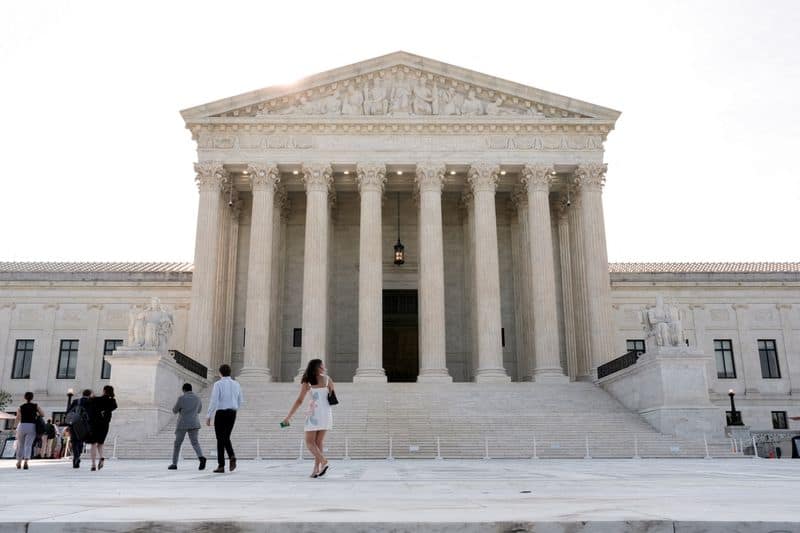
The Supreme Court largely affirmed President Trump's executive authority on immigration matters, though it notably rejected his attempt to end birthright citizenship. The court's decisions allow the administration to terminate temporary protections for individuals fleeing war or strife, such as those from Haiti and Syria, and grant immigration officers more discretion in handling returning green card holders and asylum applications.
The ruling on birthright citizenship, a central piece of Trump's immigration agenda, was a blow to his efforts to redefine who is considered an American. A divided court, with a five-justice majority, upheld the long-standing understanding of the 14th Amendment, which grants citizenship to those born in the U.S., regardless of their parents' immigration status.
Immigration advocates praised the decision to uphold birthright citizenship, while some Republicans called for further restrictions. Mark Krikorian of the Center for Immigration Studies suggested tightening visa application processes and adding pregnancy questions to deter births to undocumented immigrants. David Bier of the Cato Institute noted the ruling significantly limits legal challenges for approximately 1 million individuals with Temporary Protected Status (TPS).
The court's decision to end protections for Haitians and Syrians could affect hundreds of thousands of people, potentially making them vulnerable to deportation. The conservative majority found that courts cannot question the process by which immigration authorities revoke these protections, a stance previously taken in ending protections for Venezuelans.