Key facts
- The U.S. military conducted strikes on multiple targets in Iran following Iranian attacks on three vessels in the Strait of Hormuz.
- The U.S. Treasury revoked a sanctions waiver on Iranian oil sales, effective July 7, 2026.
- Iran attacked an LNG tanker and a very large crude carrier in the Strait of Hormuz.
- Iran's Foreign Ministry stated the U.S. action was a violation of a signed memorandum of understanding.
- Millions of barrels of Iranian crude are currently in transit or idling in tankers.
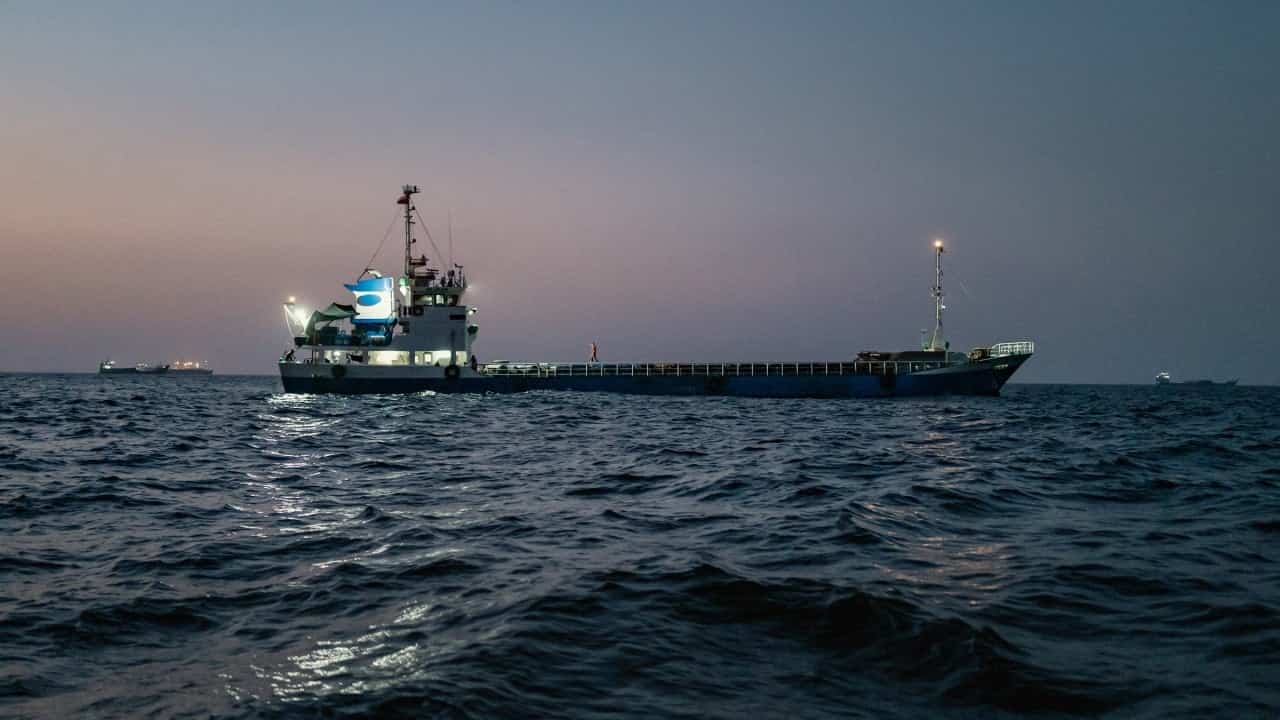
The U.S. military carried out strikes on targets in Iran following Iranian attacks on three vessels, including an LNG tanker and a very large crude carrier, in the Strait of Hormuz. The U.S. Treasury also revoked an authorization allowing purchases of Iranian crude, refined products, and petrochemicals, effective July 7, 2026. The U.S. Central Command stated it began "launching a series of powerful strikes against Iran." This escalation follows a previous exchange of fire between the U.S. and Iran on June 27-28, also triggered by Iranian attacks on vessels in the Strait of Hormuz.
An interim deal signed on June 18, which called for Hormuz to fully reopen to commercial traffic and for Tehran to receive sanctions relief, is reportedly unraveling ahead of an August 21 deadline for final details of a peace agreement. Iran's Foreign Ministry condemned the U.S. Treasury's move, calling it a "clear violation" of the memorandum signed on June 18 and stating it showed "bad faith."
The U.S.-Iran deal and the potentially imminent reopening of the Strait of Hormuz do not mean that oil and gas trade will quickly return to its previous levels. The announcement of the deal is just the first step, and it could take months for oil and gas shipments in the region to return to pre-war levels. Middle Eastern producers have been forced to shut in more than 10 million barrels per day of oil production since the Strait of Hormuz was closed three and a half months ago. Producers will need months to fully ramp up wells to previous output levels, while the status of the Strait of Hormuz – even if it re-opens on Friday as expected – is still unclear. Some producers like Saudi Arabia and the United Arab Emirates would be quicker to restore output compared to Iraq, for example, which had to curtail the highest proportion of its production due to its inability to move the crude out of its southern fields through Basrah. Experts suggest it may take about a year before fields affected by the closure get back to prior production levels, with some analysts predicting 70% recovery within three months and 90% within six months, but the final 1 million bpd could take considerably longer. The speed at which supply chains normalize and export flows recover will also play a key role in determining how much of the geopolitical risk premium remains embedded in the market. Some shipping companies have stated they will wait until the deal is formalized before attempting to cross the Strait, and organizing insurance and other practical issues could further delay recovery.