Key facts
- Iran's Revolutionary Guard Corps has intensified patrols in the Strait of Hormuz.
- At least 8 ships turned around on Saturday after direct IRGC warnings.
- The flow of ships through the strait on July 2 dropped 10% day-on-day.
- A US-Iran memorandum requires Tehran to restore traffic and not impose tolls for 60 days.
- Oman is discussing a plan for optional navigational fees in the strait.
- Messages were conveyed to visiting Gulf delegations at Khamenei's funeral via Quranic passages.
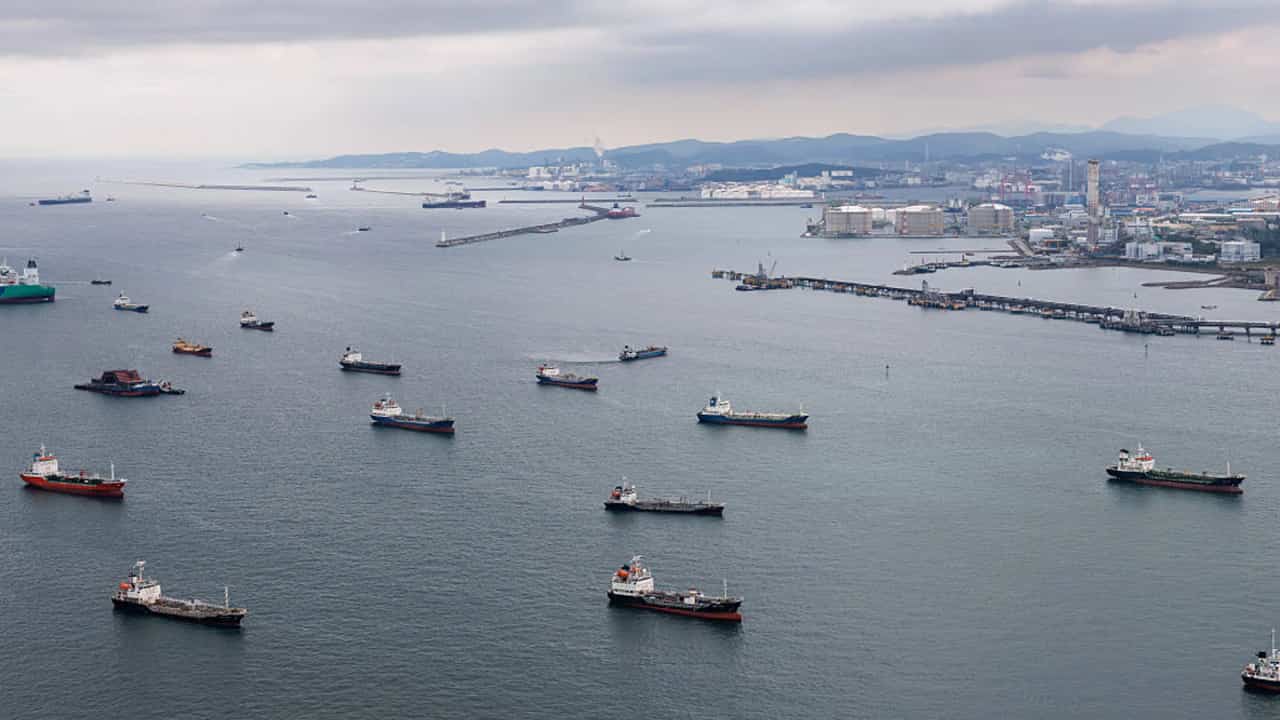
The diplomatic and military contest for control of the Strait of Hormuz has intensified amid mourning for Iran's Supreme Leader Ali Khamenei, with claims that his legacy is tied to the waterway's control. The Islamic Revolutionary Guard Corps (IRGC) has appeared to reassert its monopoly over the strait.
Previously, a significant number of ships had begun using a US-backed southern route near Oman to bypass Iran's control of the northern route. France, with the UK, announced plans for a mine-clearing naval force to secure the southern route, a move Iran rejected as unwarranted interference.
However, on Saturday, at least eight ships turned around following direct IRGC warnings, and ship traffic on Sunday further declined. The UK Maritime Trade Operations reported a vessel in the Red Sea sent a distress signal after an attack. Shipping monitor Marine Traffic data showed a 10% day-on-day decline in Strait of Hormuz crossings on July 2, with increased Iranian-flagged activity and a shift towards Iranian and "Dark or Unknown" corridors.
Oil prices have fallen by as much as 40% from a high of $125 a barrel to around $75, reflecting increased availability. A memorandum of understanding between the US and Iran requires Tehran to restore traffic to pre-blockade levels and refrain from imposing tolls for 60 days, though it is proving to be a loose guideline.
Oman has engaged in talks with Iran, France, and the UK concerning the strait's future governance, proposing a plan similar to the Strait of Malacca's model, which charges optional navigational fees for services. This proposal carries the risk of setting a precedent, as natural straits are generally exempt from such tolls under international law.
Donald Trump has agreed that US-Iran talks will be postponed until after Khamenei's funeral. Both sides are reportedly using the current period to bolster their military positions. An Iranian army spokesperson confirmed efforts to enhance combat capabilities.
During the funeral in Tehran, Iran conveyed messages to visiting Gulf delegations through Quranic passages. Saudi Arabia received a passage referencing the Battle of Badr, implying consequences for supporting US actions against Iran. Qatar was given a message of forgiveness, suggesting a need to acknowledge past "sins" of supporting Western powers. Turkey received a verse highlighting the reward for those who strive, subtly rebuking its reluctance to bear economic costs for supporting Iran. The Lebanese Hezbollah movement was associated with verses praising the "party of Allah."