Key facts
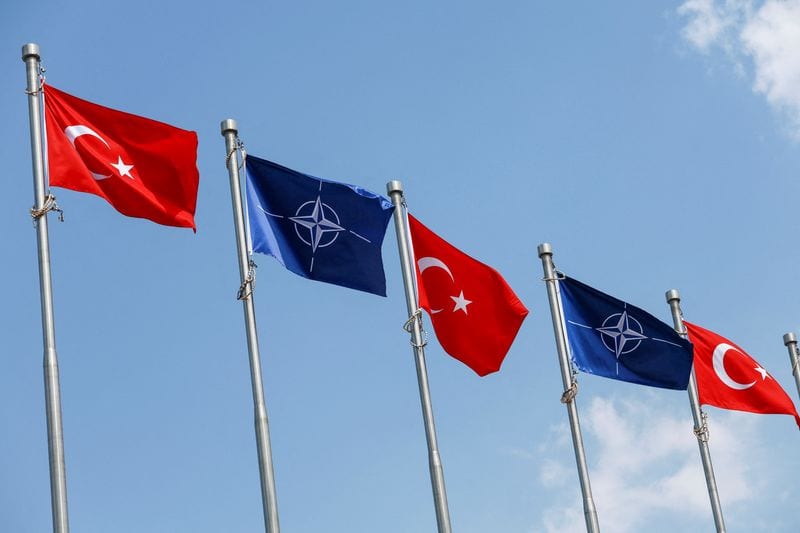
- Nato leaders are set to meet in Ankara, with discussions likely to focus on the Ukraine war and European defense spending.
- European defense spending has increased, but progress is uneven, with some nations struggling to meet targets.
- Germany plans to significantly increase defense spending, while the UK, France, and Italy face fiscal challenges.
- Poland, Lithuania, and Estonia are on track to meet new defense spending targets.
- Concerns remain about the capacity of defense industries to ramp up production despite increased spending commitments.
NATO leaders are expected to convene at an upcoming summit where discussions may pivot towards the ongoing war in Ukraine and the strengthening of European defense capabilities, potentially influenced by concerns over a reduced US military presence in the region. Despite commitments to increase defense spending, progress has been uneven across member states, creating fiscal pressures for some.
Under pressure from U.S. President Donald Trump, NATO members agreed to boost defense spending to 5% of GDP by 2035. However, two distinct groups have emerged: nations like Germany, Poland, Lithuania, and Estonia, which have found the fiscal capacity to increase spending, and others, including the UK, France, and Italy, that are struggling to do so.
European members and Canada collectively spent an additional $90 billion on defense in real terms last year, with Secretary General Mark Rutte highlighting that nominal spending increased by $139 billion. Germany plans to double its defense spending to over €200 billion by 2030 by utilizing a rule change that exempts defense items from strict borrowing limits. Poland, meanwhile, dedicated 4.3% of its GDP to defense last year.
In contrast, the UK announced an additional £15 billion in defense spending, but a third of this remains unfunded, presenting an early budget challenge. Critics have pointed out the lack of a clear timeline for reaching the 3% of GDP defense spending target. Italy's Prime Minister Giorgia Meloni is expected to announce an increase in defense spending to 2.8% of GDP by 2026, though much of this will be allocated to domestic security. France aims to reach 2.5% of GDP by the end of the decade, while Spain is not expected to increase spending beyond 2.1% of GDP.
Concerns have also been raised by NATO officials regarding the reported defense spending figures of the Czech Republic, Slovenia, and Albania. While European leaders can point to increased contributions towards the Ukraine war effort, some observers note that defense companies may be hesitant to invest in increased capacity without sustained government commitment, given the potential for shifting political priorities.