Key facts
- The Metropolitan Police cannot legally ban a pro-Palestine protest scheduled for the anniversary of the October 7 attacks.
- Police have requested that the protest organizers reschedule the march.
- The march is organized by the University of London Coalition and is expected to involve around 300 students.
- Participants will be banned from wearing face masks that conceal their identity.
- A strict route has been specified, from Lincoln's Inn Fields to Russell Square.
- Deputy Assistant Commissioner James Harman expressed concerns about the distress the march could cause on the anniversary.
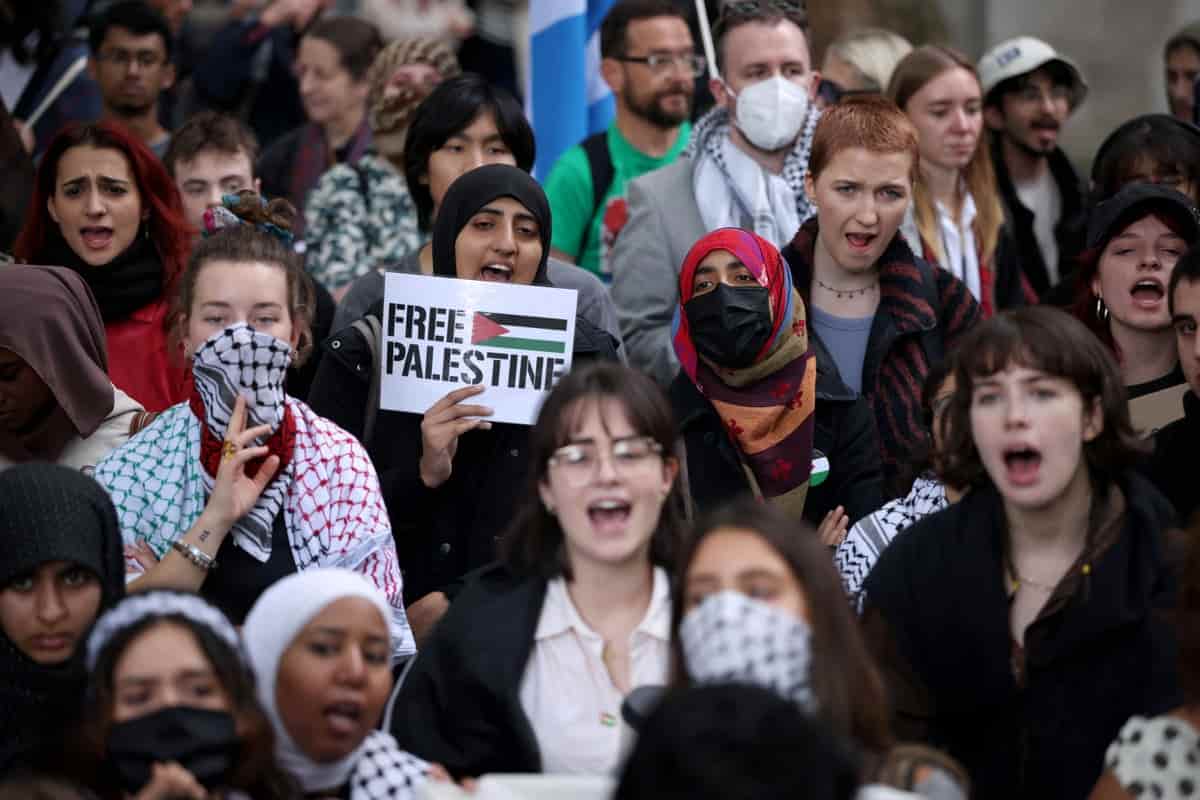
The Metropolitan Police have stated they are unable to legally ban a pro-Palestine protest planned for the anniversary of the October 7 attacks. Deputy Assistant Commissioner James Harman explained that the risk of serious disorder does not meet the high threshold required for a ban from the Home Secretary. Instead, the police have repeated a request for the organizers, identified as the University of London Coalition, to hold the march on a different day.
Harman noted that while the march cannot be banned, it will be subject to "robust" conditions. These include a ban on participants wearing face masks that conceal their identity and a strict route from Lincoln's Inn Fields to Russell Square. He urged protesters to "reflect on the impact and distress [the rally] will cause on this very significant date" and to consider protesting on another day. Concerns have been raised about the potential distress to Jewish students and staff, as well as the day the march is being held.
Around 300 students are expected to participate in the march, which calls for an end to the "genocide in Gaza." The police have written to four London universities to ask them to engage with their students and staff to ensure they do not feel unsafe on their premises. The force has also stated that if the march proceeds, they will use their "full powers" to enforce the conditions and will take a zero-tolerance approach to hate crime.