Key facts
- The U.S. has conducted 13 consecutive nights of airstrikes against Iran.
- Bahrain activated sirens due to incoming fire amid escalating clashes.
- U.S. strikes have expanded to include bridges, infrastructure, and areas deeper into Iran.
- The conflict over the Strait of Hormuz has intensified, pushing countries toward war.
- The U.S. military has targeted naval and coastal defenses, communication infrastructure, and transportation links.
- At least 3,434 people have been killed since the war began, including 55 during the recent escalation.
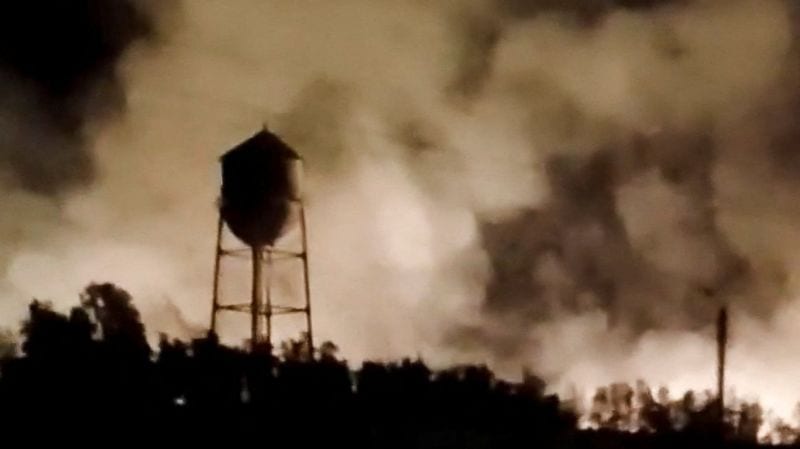
The United States has expanded its airstrikes against Iran over two weeks, increasingly resembling the war's opening salvos. After a brief ceasefire in June, a battle for control over the Strait of Hormuz erupted, pushing the countries back toward an all-out war across the Middle East.
The U.S. initially focused on Iran’s navy and coastal defenses to blunt its ability to attack ships in the vital strait. In recent days, targets have expanded to include bridges and infrastructure in the south, and strikes have reached deeper into central Iran and the outskirts of Tehran. Despite the growing intensity, the current campaign is not as fierce as the one at the war's start on February 28, which saw hundreds of military targets hit and top leaders killed.
The Iranian Health Ministry reports 3,434 people have been killed since the war began, including 55 during the recent escalation. The latest U.S. strikes have temporarily disrupted transportation and communications within Iran and damaged water infrastructure. The U.S. military stated its recent barrages aim to degrade Iran’s ability to threaten vessels in the strait, but Iran has not backed down.
The U.S. military said it struck dozens of targets, including air-defense systems, coastal radar sites, missile and drone factories and launchers, and small boats, using precision munitions, naval vessels, and one-way attack sea drones. The strikes focused on coastal provinces along the strait and Persian Gulf, including Bandar Abbas, Qeshm, Abu Musa, Kish, and bases in Sistan and Baluchistan province.
Strikes have also damaged bridges, tunnels, and a railway junction, appearing to sever links between Revolutionary Guard bases and the rest of the country. Other targets included communication regulatory authority offices and maritime communication towers. Power outages were reported in Khuzestan province, and an agricultural water pumping station and a water desalination plant were hit, affecting water supply to thousands. A U.S. strike on a border crossing with Iraq killed two people.