Key facts
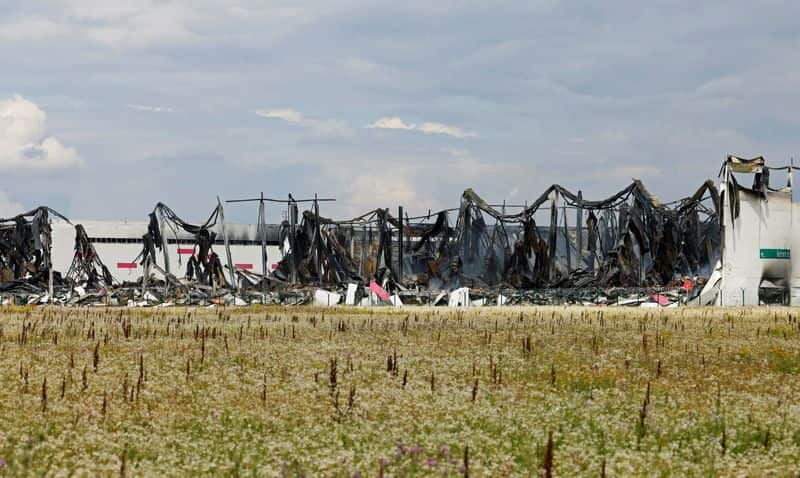
- Ukrainian drones have targeted at least nine Wildberries warehouses across Russia.
- These attacks have destroyed inventory valued in billions of dollars.
- Thousands of small businesses have suffered significant financial losses.
- Wildberries changed its terms to exempt itself from liability for goods destroyed in 'force majeure' events, including drone attacks.
- Ukraine states the strikes target logistics facilities used for military components.
Ukraine has escalated its long-range strike campaign by targeting warehouses belonging to Wildberries, Russia's largest e-commerce company, causing devastating losses for thousands of small businesses and potentially eroding the sense of normalcy for ordinary Russians.
At least nine Wildberries warehouses have been hit by Ukrainian drones in recent days, with strikes reported from southern Russia to the outskirts of St. Petersburg. These attacks have destroyed inventory worth billions of dollars and killed at least nine people. The targeted sites collectively cover about 552,000 square meters, representing roughly one-tenth of Wildberries' total warehouse capacity.
Entrepreneurs like Tatyana Mikhailova, who lost 4,000 fur coats, and Maria, a postcard maker who lost thousands of dollars in goods across multiple strikes, have expressed despair over their financial ruin. Anton Bryanski, an importer, reported losing goods worth approximately $59,000 but receiving only about $240 in compensation.
Adding to sellers' anger, Wildberries had recently changed its terms to exempt itself from liability for goods destroyed in 'force majeure' events, including drone attacks. While the company has begun compensating some sellers, the payouts are reportedly a fraction of the actual losses.
Ukraine has defended the strikes as legitimate military actions. President Volodymyr Zelenskyy stated that Ukrainian forces targeted 'major logistics facilities' used for transporting sanctioned components for drone production and navigation equipment. While Wildberries primarily sells consumer goods, it is also used by soldiers and volunteers to purchase military-related items.
Analysts suggest the campaign serves a broader purpose than disrupting military logistics, aiming to challenge the Kremlin's narrative that life continues as normal despite the war. Russian economist Sergei Guriev noted that these attacks impact every Russian due to increasing dependence on e-commerce, making it difficult for the Kremlin to maintain the illusion of normality.