Key facts
- President Trump has paused U.S. strikes on Iran for two consecutive nights to allow diplomatic efforts more time.
- The pause is reportedly due to concerns over depleting Patriot missile interceptors and a preference for diplomacy.
- Iran and Oman have held technical talks regarding the management of the Strait of Hormuz.
- Houthi forces have attacked Saudi oil sites and declared a naval blockade on Saudi Arabia.
- President Trump threatened significant military punishment for Iran if Houthi attacks on tankers continue.
- Diplomatic efforts are underway, with Iran reportedly requesting a meeting with President Trump in Doha.
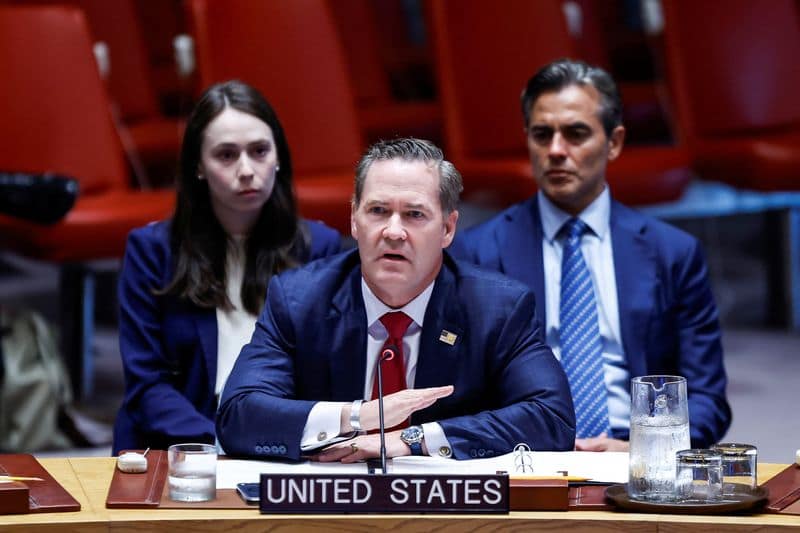
President Donald Trump has paused U.S. airstrikes against Iran for two consecutive nights to allow diplomatic efforts more room, according to U.S. Ambassador to the UN Mike Waltz. This pause, reportedly influenced by concerns over depleting Patriot missile interceptors and a preference for diplomacy, comes amid ongoing talks to potentially reopen the Strait of Hormuz.
The conflict has seen escalating Houthi attacks on Saudi oil sites and a declared naval blockade on Saudi Arabia, while Iran and Oman have held technical talks regarding the Strait of Hormuz. President Trump has threatened significant military punishment for Iran if Houthi tanker attacks persist, holding Iran responsible for damages. Iran has also reportedly requested a meeting with President Trump in Doha.
The U.S. military stated it possesses sufficient air defence munitions despite reports of concerns about dwindling stockpiles. The pause follows nearly two weeks of daily U.S. strikes and retaliatory attacks that effectively ended a June ceasefire. Oil prices briefly surpassed $100 a barrel due to fears over global energy supplies. Public sentiment in the U.S. shows frustration with the conflict, with a recent poll indicating 57% of Americans are unhappy about the war.