Key facts
- The final rule takes effect in January, 60 days after it is published, the Labor Department said.
- The rule focuses on whether workers are under a company's control or can profit or lose based on their own initiative or investment.
- The department said the 2024 rule was legally flawed and the new test gives companies and workers a clearer standard.
- Employees can cost businesses up to 56 percent more than contractors, according to business groups cited by the department.
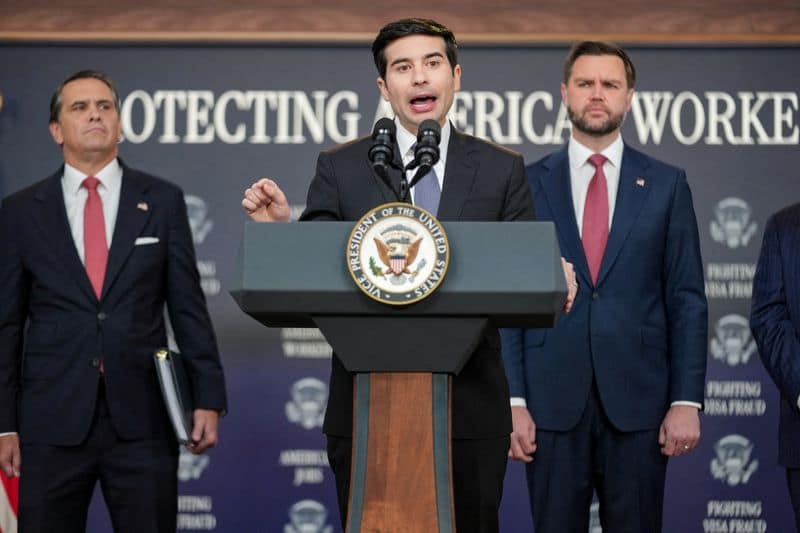
The U.S. Department of Labor on Thursday issued a final rule that makes it easier for companies in some industries to classify workers as independent contractors rather than employees, who have more legal protections and can cost more. The rule, announced by Labor Secretary Lori Chavez-DeRemer at a Wednesday event, replaces a regulation adopted during the Biden administration that had set factors for determining whether a worker should be classified as an employee or contractor under federal wage law, with any one factor able to tip the scales toward employee status.
The new rule instead focuses on whether workers are under a company's control or have the opportunity for profit or loss based on their own initiative or investment. The department said the 2024 rule was legally flawed and that the new test creates a clearer standard for businesses and workers to follow. "It's more important than ever to ensure our labor regulations keep pace with the changing ways that Americans choose to work, and businesses choose to operate," Chavez-DeRemer said in a statement.
The rule will take effect in January, 60 days after it is formally published. Employees can cost businesses up to 56% more, according to business groups cited by the department, because they are entitled to the minimum wage, overtime pay, unemployment insurance, reimbursements for expenses and other protections not afforded to contractors. Worker classification has been one of the most contentious employment-related issues over the last decade, and trade groups lobbied heavily to repeal the 2024 rule after an effort by Republicans in Congress to block it stalled.