Key facts
- A federal judge narrowed lawsuits challenging President Donald Trump's executive order on mail-in voting.
- Challenges are limited to preventing the order's implementation before the November elections.
- The judge cited uncertainties in how agencies will implement the order.
- The order directs Homeland Security to compile lists of eligible voters and the Postal Service to regulate mail ballots.
- President Trump separately urged Utah to halt mail-in voting due to fraud concerns.
A federal judge in Boston has narrowed the scope of lawsuits challenging President Donald Trump's executive order on mail-in voting, ruling that legal challenges can only proceed if they aim to prevent the order's implementation before the November elections. U.S. District Judge Indira Talwani stated that postponing judicial review is impracticable and may inflict significant hardship on plaintiffs, given the approaching midterms.
However, Talwani acknowledged that significant uncertainties exist regarding how federal agencies, including the Department of Homeland Security and the U.S. Postal Service, will ultimately implement the order. Consequently, she dismissed for now the plaintiffs' challenges as they affect elections after the midterms, while leaving open the possibility of reviving those claims later.
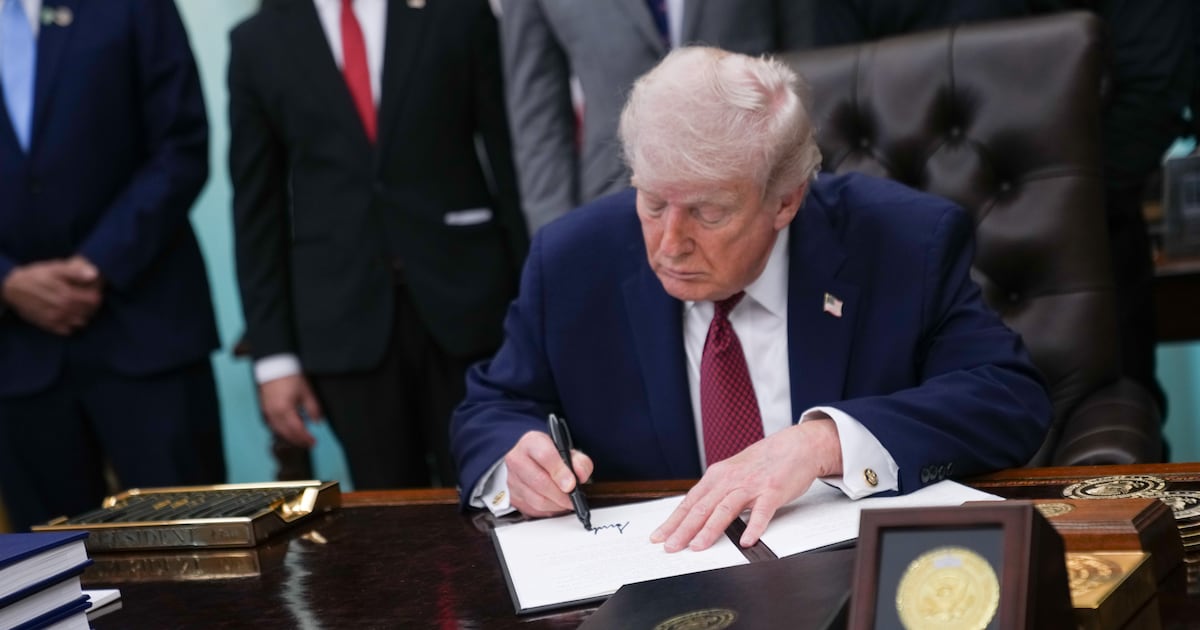
The executive order, signed by Trump, directs the Department of Homeland Security to compile lists of verified U.S. citizens eligible to vote and requires the U.S. Postal Service to deliver ballots only to voters on approved lists. It also directs the Department of Justice to prioritize investigations and prosecutions of election officials who issue federal ballots to ineligible individuals.
Plaintiffs, including voting rights groups and Democratic-led states, argue the order is unconstitutional and usurps states' authority over election administration. Separately, President Trump had urged Utah to halt its mail-in voting ahead of primaries, citing concerns about potential cheating.