Key facts
- Taxpayer-funded television ads featuring President Donald Trump are drawing bipartisan criticism and legal questions.
- The ads tout American exceptionalism and include messages like 'America will never be a communist country' and 'the golden age of America.'
- One ad is nearly identical to a 2024 campaign spot, with the exception of a 'Paid for by the US Government' disclaimer.
- Critics argue the ads may violate longstanding restrictions on government propaganda and political activity.
- The White House defends the spots as 'public service announcements' intended to promote patriotism.
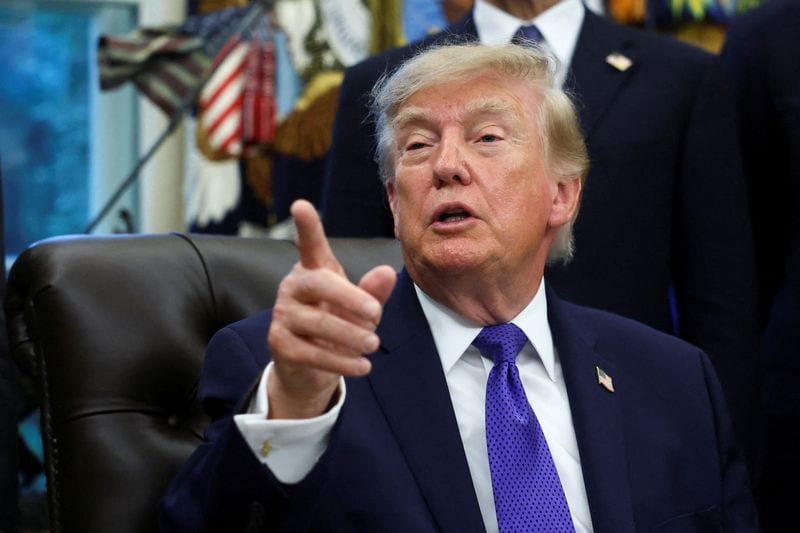
The Trump administration has begun airing taxpayer-funded television advertisements that closely resemble President Donald Trump's 2024 campaign commercials, sparking bipartisan criticism and legal questions just weeks before the midterm elections.
The three nationally broadcast ads, which end with the disclaimer "Paid for by the US Government," tout American exceptionalism and feature Trump speaking. One ad includes the president stating “America will never be a communist country” while a chorus sings “love me” in the background. Another combines images of Mount Rushmore with shots of Trump praising “the golden age of America.” A third, described as the “final battle,” features Trump pledging to demolish the deep state, and is nearly identical to a 2024 campaign spot.
Ethics experts and lawmakers from both parties have questioned whether public funds are being used to promote the president politically, potentially violating longstanding restrictions on government propaganda and political activity. Richard Painter, former White House ethics lawyer, stated, "It's not the kind of thing the United States government lawfully can pay for under federal statutes.” Senate Majority Leader John Thune, a Republican, said, "I like the message, but it shouldn't be paid for with taxpayer dollars.”
The White House defended the spots as "public service announcements" intended to promote patriotism rather than campaign ads, stating they are "very clearly not campaign ads; President Trump is not on the ballot and there is no call to action." They added the announcements serve as a reminder for Americans to "love their country and know why it’s worth defending."
Legal experts like David Hopkins, an associate professor of political science at Boston College, believe the ads likely violate the 1939 Hatch Act, which prohibits government employees from engaging in campaign activities at work. Despite criticism, it remains unclear which government agency is paying for the ads or their total cost. Republican-aligned groups have reserved significantly more advertising time for the upcoming elections compared to Democrats.