Key facts
- US immigration agents conducted operations in southwest Kansas this week, targeting areas with a large immigrant labor force.
- The operations caused many workers to stay home from beef processing plants, feedlots, and dairies.
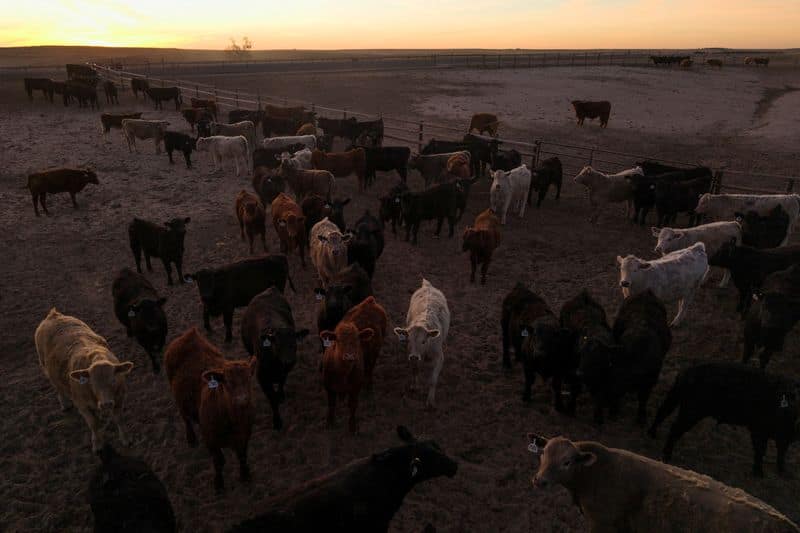
- Beef processing plants were forced to slow down, leading to a backlog of cattle.
- Cattle futures gyrated this week due to tight US supplies and processing disruptions.
- US beef prices have previously soared to records due to drought and suspended imports from Mexico.
- Meatpackers slaughtered 16% fewer cattle on Thursday compared to the previous week.
US immigration agents conducted operations across southwest Kansas this week, impacting the region's significant beef processing industry. The enforcement actions, which targeted areas with a large immigrant labor force, led to a significant number of workers staying home, forcing processing plants to slow down and causing a backlog of cattle. Community organizers and local officials reported that the operations focused on people of color, creating a climate of fear that kept businesses closed and children out of school.
Industry and union officials warned that these disruptions could cause record-high beef prices to increase further. Cattle futures experienced volatility as traders assessed the impact of tight US supplies against the processing slowdown. The US Department of Agriculture reported that meatpackers slaughtered an estimated 90,000 cattle on Thursday, a 16% decrease from the previous week.
Beef prices have already reached record highs this year, attributed to a multi-year drought that reduced cattle herds and a suspension of cattle imports from Mexico. President Donald Trump's administration has sought to lower prices through various policies, including increasing low-tariff beef imports and investigating meatpackers.
National Beef Packing Company and Cargill, two of the nation's four major beef processors, have plants in the affected Kansas communities. A spokesperson for National Beef stated the company is cooperating with the Department of Homeland Security. Cargill did not respond to requests for comment. Local officials noted that ICE agents were seen around National Beef plants and even near an elementary school, contributing to the widespread fear and disruption in the community.