All NewsEducationTV
Equities & FundsCrypto & Digital AssetsAI & TechnologyBusiness & CorporateUS Politics & PolicyGeopolitics & Global RiskMacro, Rates & FXCommodities & EnergyEuropean Politics & MarketsAsia-PacificReal Estate & Property
All NewsHome
← Back to Geopolitics & Global Risk

US Eyes 18th-Century Law to Seize Iranian Oil

Created at 29 Aug · 5:21 PM1 source↑ Market-relevant
IN SHORT

The U.S. Justice Department is reviving a dormant 19th-century maritime law, known as prize law, to seize and sell Iranian oil and ships captured during its blockade. This legal route aims to expedite the process compared to current civil forfeiture methods and increase economic pressure on Iran.

Key Numbers

18th-centuryera of law being revived
19th centurylast common use of prize law

Who's Involved

U.S. Justice Department
exploring revival of prize law for Iranian oil seizures
Pentagon
working with Justice Department on prize law
Aaron Reitz
U.S. Attorney whose office is reviving prize courts
Allison Luzwick
maritime attorney commenting on legal uncertainty
US Eyes 18th-Century Law to Seize Iranian Oil

↳ Why This Matters

The U.S. is exploring an archaic legal tool to increase economic pressure on Iran and potentially generate revenue from seized assets, but this move carries significant legal, practical, and geopolitical risks.

Key facts

  • The U.S. Justice Department is exploring the use of 19th-century prize law to seize and sell Iranian oil and ships.
  • This legal mechanism, dormant since World War II, allows courts to determine if captured assets become U.S. property.
  • The goal is to expedite the process of liquidating seized oil and ships compared to current civil forfeiture procedures.
  • Houston, Texas, is being considered as a central venue for these prize court cases.
  • The U.S. has intercepted Iranian-owned or Iran-linked vessels since imposing a blockade in April.
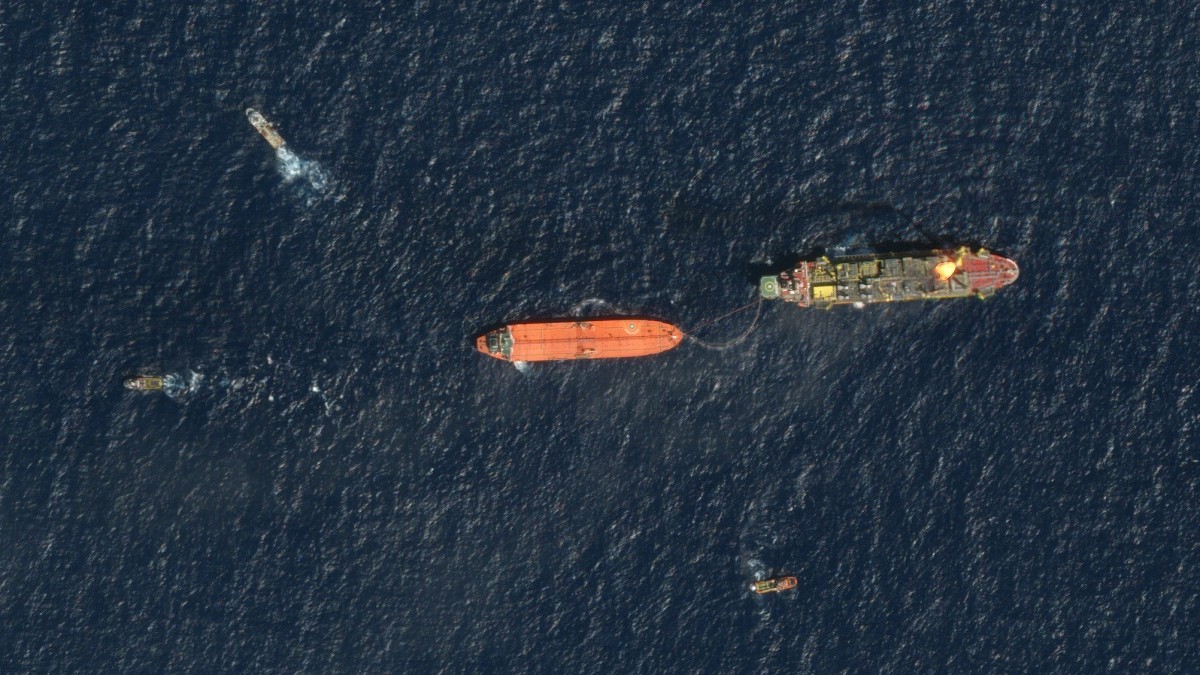
  • The U.S. government is considering reviving an obscure, centuries-old maritime law known as prize law to deal with Iranian oil and ships captured as part of its blockade. The Justice Department, in conjunction with the Pentagon, is preparing to use this legal mechanism, which historically allowed courts to decide if vessels and cargo seized during armed conflict could become U.S. property. This approach, largely dormant since the 19th century and World War II, is seen as a practical way to bypass the complexities and delays often associated with civil forfeiture cases for sanctions violations.

    Prize proceedings could potentially resolve competing claims from shipping companies, creditors, or terrorism victims more efficiently, allowing captured oil to be sold more quickly with proceeds directed to the U.S. Treasury. Houston, Texas, is being considered as a venue due to its proximity to major ports and petrochemical infrastructure. U.S. Attorney Aaron Reitz described the effort as "reviving" prize courts, calling it an "ancient body of maritime law."

    The move comes as Washington seeks to intensify economic pressure on Iran, with U.S. forces having already intercepted several Iranian-owned or Iran-linked vessels since April. Utilizing prize law could transform these captures into a direct financial tool, generating revenue while cutting off Iran's access to valuable exports. Supporters also believe it reinforces the seriousness of the blockade as a wartime measure.

    However, significant uncertainties surround the application of this historical framework under modern international law. Maritime attorney Allison Luzwick noted that the area is "not tested in modern times," and courts may question the legal grounds for invoking prize authority, especially concerning congressional authorization for hostilities. Furthermore, federal judges, prosecutors, and the Navy lack contemporary experience with prize cases, necessitating the rebuilding of procedures. Shipowners with financial claims are also expected to contest seizures.

    Critics also warn of broader geopolitical risks, suggesting that normalizing prize law could create a precedent that a rival power like China might later use against American or neutral merchant vessels in a future conflict. The proposal thus offers a potentially faster route to convert captured Iranian oil into revenue and tighten pressure on Tehran, but at the cost of reopening a largely untouched area of wartime law.
    Frequently asked questions

    Prize law is an ancient body of maritime law that historically allowed courts to decide whether vessels and cargo captured during armed conflict could legally become the property of the seizing nation.

    The U.S. is exploring prize law as a potentially faster and more effective way to seize and sell Iranian oil and ships compared to current civil forfeiture procedures, aiming to increase economic pressure on Iran.

    Challenges include its untested nature under modern international law, lack of contemporary judicial and administrative experience, and potential legal challenges from claimants and geopolitical risks of setting a precedent.

    What Happens Next

    01Courts will need to determine the legal grounds for invoking prize authority.
    02Federal agencies and the Navy will have to rebuild procedures for administering prize cases.
    03Shipowners and other parties with financial claims are expected to contest seizures.

    How It Developed

    The U.S. government is considering using prize law to seize Iranian oil and ships.
    Prize law, largely unused since the 19th century, allows courts to decide if captured vessels and cargo become U.S. property.
    This approach aims to streamline the process compared to complex civil forfeiture cases.
    Houston, Texas, is being considered as a venue for these prize court cases.
    The U.S. has intercepted Iranian-linked vessels since imposing a blockade in April.
    Reviving prize law could generate revenue for the U.S. Treasury and deprive Iran of export income.
    The legal framework faces uncertainty under modern international law and lacks contemporary judicial experience.
    Critics warn that normalizing prize law could set a precedent for other nations.

    Sources

    T1
    U.S. Eyes 18th-Century Law to Seize and Sell Iranian OilOilPrice.com

    Related Stories

    Somali piracy surges amid US-Iran conflict and regional insecurity
    29 Aug · 1:20 AM
    Iran Blacklists 45 Tankers Amid Hormuz Standoff and US Sanctions
    29 Aug · 3:31 AM
    US Treasury sanctions Hong Kong firm over Iran money laundering
    28 Aug · 10:21 PM
    Ghalibaf warns no one will sell oil in region if Iran cannot
    29 Aug · 5:06 AM
    Iran reports $7.5bn oil revenue amid US blockade, president admits sanctions hurt economy
    28 Aug · 10:46 PM