Key facts
- One person familiar with the talks said the warning reflects concerns Russia's leverage could diminish as Democrats near control of Congress.
- People familiar with the talks said the Kremlin believes it holds the upper hand as Russian forces keep targeting Ukraine's energy infrastructure.
- Russian officials told US negotiators Moscow intends to seize the parts of Donetsk and Luhansk it has not captured, calling it non-negotiable.
- A Ukrainian official familiar with talks said a Russia-Europe security track would move only after Kyiv and Moscow reach a peace agreement.
- A person familiar with the discussions said the Abu Dhabi talks were tense and Russia showed little willingness to discuss an energy ceasefire.
- US envoys, Ukrainian officials and European representatives are due to meet in Berlin on November 19.
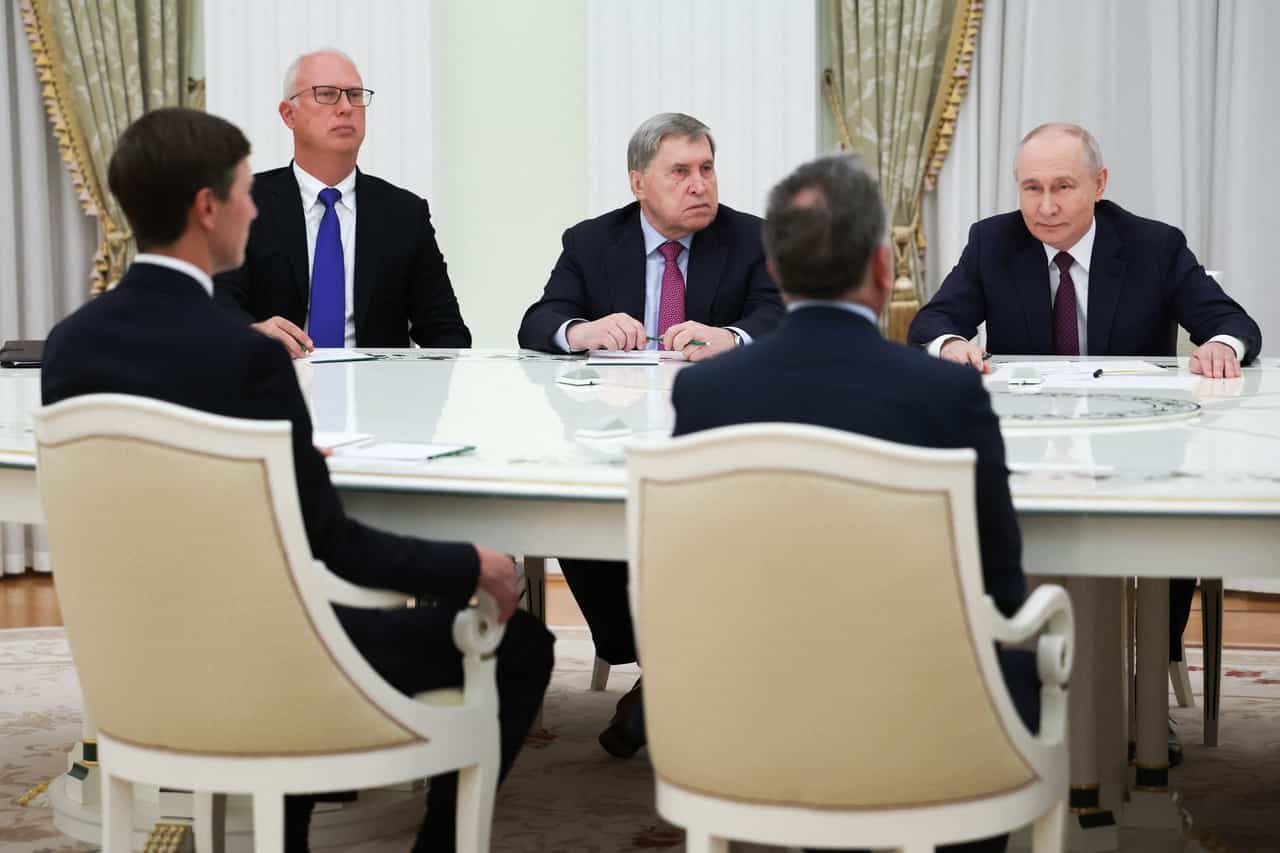
US envoys Steve Witkoff and Jared Kushner have warned their Russian and Ukrainian counterparts that the current round of peace talks could be the last realistic opportunity to secure a deal before political dynamics in Washington shift, the Kyiv Independent reported on November 18, 2026, citing one person familiar with the talks.
The warning reflects concerns that Russia's leverage at the negotiating table could diminish as Democrats move closer to taking control of Congress, the person said. A shift in power could trigger renewed bipartisan pressure to increase military and financial assistance to Ukraine and intensify scrutiny of the Trump administration's dealings with the Kremlin, according to the report. US envoys could also face congressional investigations and hearings, potentially narrowing the administration's room to maneuver on Russia policy.
The strategy became clear after Russia backed away from planned trilateral negotiations in September, despite initially agreeing in principle to hold them following visits by Witkoff and Kushner to Kyiv and Moscow. The meeting, initially scheduled for early October, was called off after the Kremlin accused Ukraine of conducting airstrikes on September 20, the day of Russia's parliamentary elections. Moscow's refusal coincided with renewed attacks on Ukraine's energy infrastructure, which Kyiv saw as a sign Russia had little interest in negotiating before spring.