Key facts
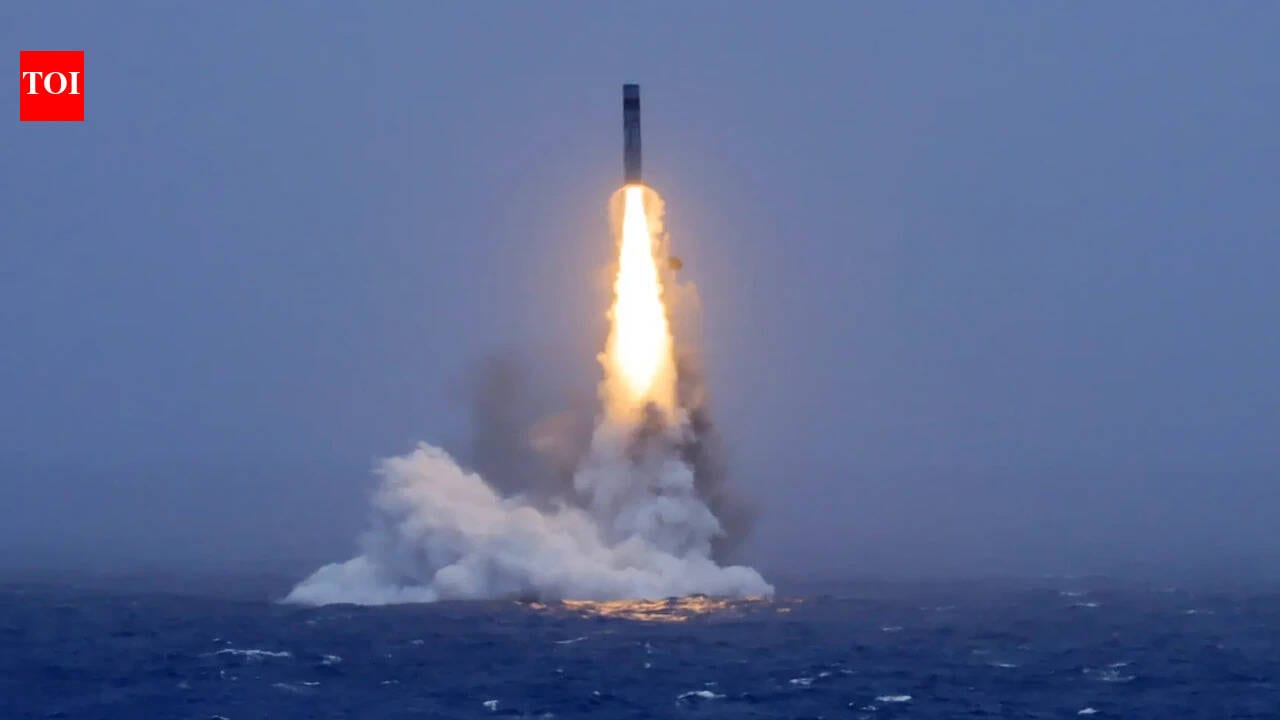
- China conducted a long-range missile test in the South Pacific.
- The US accused China of nuclear proliferation following the test.
- The missile was launched from a nuclear submarine and landed in a nuclear weapon-free zone.
- Australia, New Zealand, the Philippines, and Taiwan condemned the launch as destabilizing.
- China stated the test was a routine military training exercise not directed at any specific country.
The United States has accused China of nuclear proliferation following a ballistic missile test conducted in the South Pacific. China stated the launch was a routine military training exercise, but the move has drawn condemnation from Australia, New Zealand, and other regional leaders who described it as destabilizing.
The Chinese navy announced that a nuclear submarine launched a "strategic missile carrying a training simulation warhead" on Monday, which accurately landed in a designated sea area. China's defense ministry has not confirmed if an intercontinental ballistic missile (ICBM) was used. The New Zealand government confirmed it was informed of the planned launch hours in advance and noted it was fired into the South Pacific Nuclear Free Zone.
The test occurred just hours after Australia and Fiji signed a new defense alliance, the "Ocean of Peace" alliance, which commits both countries to mutual aid in case of an attack. Analysts suggest the timing of the missile test was not coincidental and was intended to intimidate smaller Pacific states from strengthening ties with Australia. However, Australia's assistant foreign minister stated the government did not believe there was a direct link, though another government source suggested otherwise.
China's foreign ministry spokesperson Mao Ning stated the launch was "not directed at any specific country or target" and urged against over-interpretation. Australia's acting prime minister, Richard Marles, confirmed they were informed of the test plans on Monday and expressed deep concern about actions undermining regional stability. Australian officials conveyed their concerns to Chinese counterparts in Beijing and Canberra.
Japan also expressed serious concerns over China's increasing military activity. Australia's foreign minister, Penny Wong, reiterated that Australia views the test as destabilizing and inconsistent with the region's desire for peace. Data from ship-tracking companies indicated Chinese satellite-tracking vessels were positioned in the Pacific, suggesting the test was planned well in advance.