Key facts
- Australia and the Solomon Islands are strengthening bilateral ties, with plans for a new comprehensive treaty.
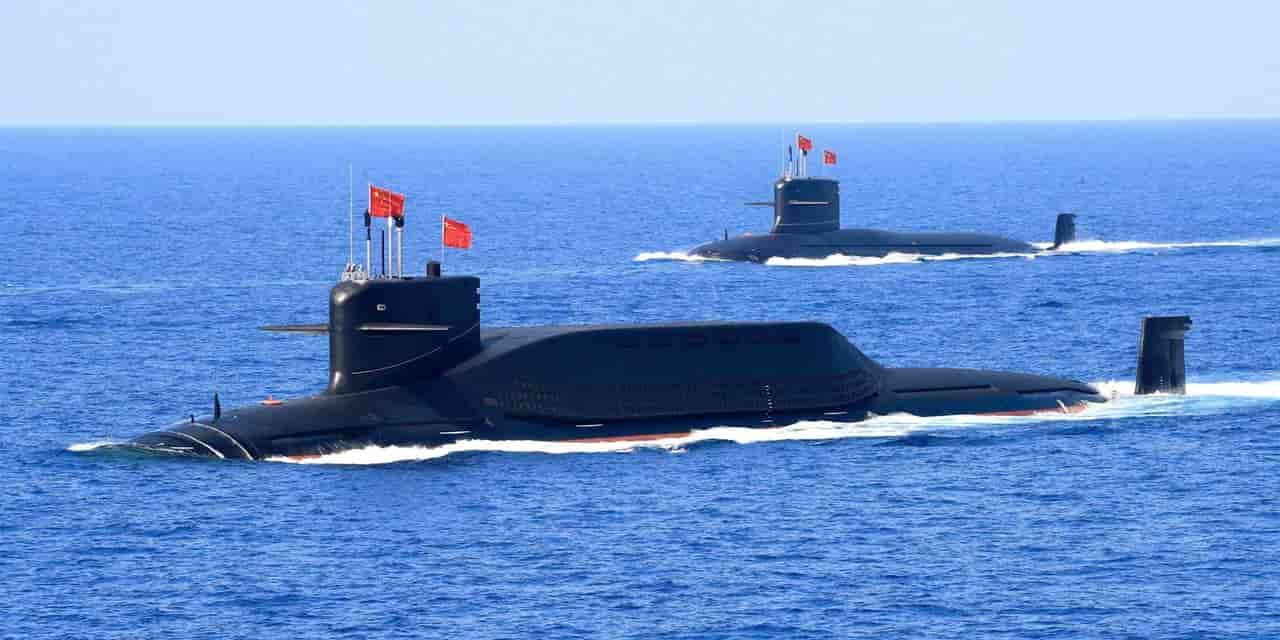
- China conducted an intercontinental ballistic missile test from a nuclear submarine in the Pacific.
- The missile test drew condemnation from Australia, the US, Japan, New Zealand, and Taiwan, who cited destabilizing implications and potential international law violations.
- China described the test as routine military training and urged against over-interpretation.
- Australia views its security as starting in the Pacific and is increasing diplomatic engagement with regional nations.
Australia and the Solomon Islands are bolstering their bilateral relationship, with Prime Minister Anthony Albanese announcing negotiations for a new comprehensive treaty. This development occurs in the context of heightened regional strategic competition, following China's recent test of an intercontinental ballistic missile from a nuclear submarine in the Pacific.
Albanese stated that Australia's security is intrinsically linked to the Pacific and that the nation will consistently support its neighbors. The missile test, described by China as routine military training, has drawn criticism from Australia, the United States, Japan, New Zealand, and Taiwan. Critics argue the test is destabilizing, lacks sufficient notice, and potentially violates international law.
Taiwan's National Security Council Secretary-General Joseph Wu characterized the launch as a provocation. Meanwhile, Australian Defence Minister Richard Marles commented that China's demonstrated capability to deploy nuclear weapons over greater ranges is deeply destabilizing. The Solomon Islands, which signed a security pact with China in 2022, is seen as a key player in the region's strategic landscape, prompting increased diplomatic efforts from Australia.