Key facts
- UNHCR and IOM said 15.4 million people in Sudan urgently need emergency shelter and basic household items.
- Funding constraints mean agencies can prioritize only about 10% of those in need, the two agencies said.
- Some 936,000 people have received assistance so far, according to the joint statement.
- Around 8.6 million people remain displaced inside Sudan and more than 4.6 million have fled across borders.
- More than 5.2 million people have returned to their areas of origin, often finding homes and services destroyed.
- IOM Sudan chief Mohamed Refaat said the agency's warehouses are completely empty after distributing more than 40,000 tons in 2026.
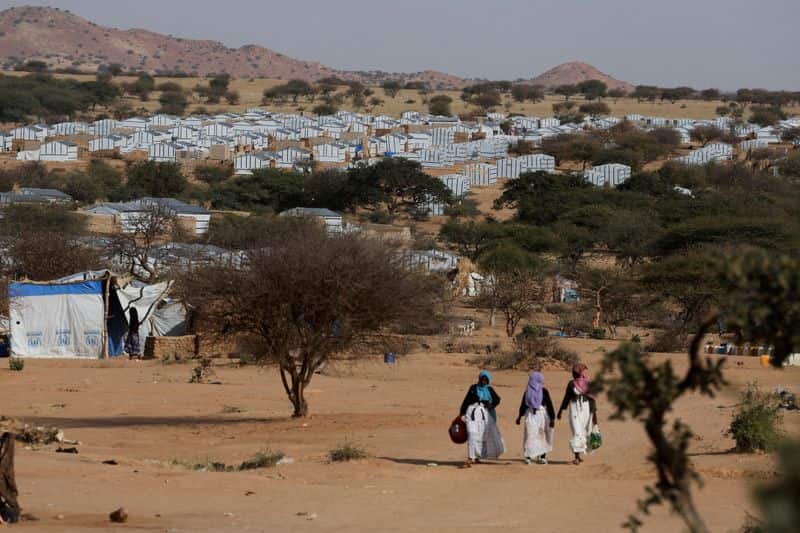
An estimated 15.4 million people across Sudan urgently need emergency shelter and basic household items, but funding shortfalls mean humanitarian agencies can prioritize assistance for only about 10% of those in need, UNHCR and the International Organization for Migration said on November 6.
So far 936,000 people have received assistance, leaving a large gap between needs and available resources, according to a joint statement by the two agencies.
Sudan remains the world's largest displacement crisis more than three years after war broke out in 2023, when the Sudanese army and the paramilitary Rapid Support Forces clashed over issues including how to integrate their forces in a planned transition to civilian rule. Around 8.6 million people remain displaced within the country, while more than 4.6 million have fled across borders. More than 5.2 million people have also returned to their areas of origin, often finding homes, infrastructure and basic services destroyed.
Speaking from Khartoum during a UN briefing in Geneva, IOM Sudan chief Mohamed Refaat said the agency was struggling to maintain operations as resources dwindled. "Just this year, IOM was able to distribute more than 40,000 tons, but our warehouses are completely empty now," he said.
Refaat said the number of internally displaced people could rise again despite recent returns, and that agencies had already scaled back ambitions because of limited funding. "We decided to serve only one out of ten. But even within the one out of ten, we could reach only 900,000 people with what we had," he said.
The agencies called for urgent funding to replenish emergency stocks and prevent further deterioration in conditions for displaced Sudanese.