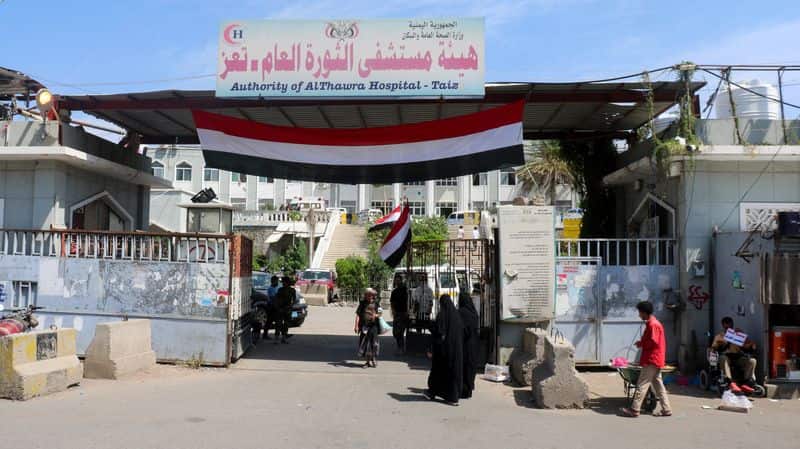
Key facts
- The Red Cross said it delivered four truckloads of essential medical supplies to Taiz.
- The shipment included surgical kits to help hospitals treat patients wounded in the renewed fighting.
- Taiz hosts about half of the 300,000 people displaced across Yemen by the latest fighting, according to the UN.
- Humanitarian agencies said intensified fighting along multiple front lines has cut off vital aid to around 800,000 people.
- Christine Cipolla, the Red Cross head of delegation in Yemen, urged parties to the conflict to facilitate safe and sustained aid access.
The Red Cross said on November 4 that it had delivered four truckloads of essential medical supplies to the besieged Yemeni city of Taiz, after renewed fighting cut off access for weeks. The shipment included surgical kits to help hospitals treat patients wounded in the renewed fighting, which the Red Cross said began in September.
Taiz has been largely isolated for a month, with fighting preventing humanitarian supplies from entering the city and restricting the movement of civilians, after an escalation in clashes between the Saudi-backed government and the Iran-aligned Houthi movement. Key supply routes, including the Taiz-Aden corridor, have been blocked by Houthi forces, worsening shortages of water, food and fuel, while hospitals said they were under significant pressure and faced scarce medical supplies.
The city hosts about half of the 300,000 people displaced across Yemen by the latest fighting, according to the UN. Humanitarian agencies have said hospitals across Yemen are struggling to cope with a sharp rise in war casualties, and that intensified fighting along multiple front lines has cut off vital aid to around 800,000 people.
"For patients with severe injuries or critical medical conditions, regardless of where they live or which side of the front line they find themselves on, timely access to medical care can be a matter of life or death," said Christine Cipolla, the Red Cross head of delegation in Yemen. She urged parties to the conflict to continue facilitating the safe and sustained access of humanitarian aid.